
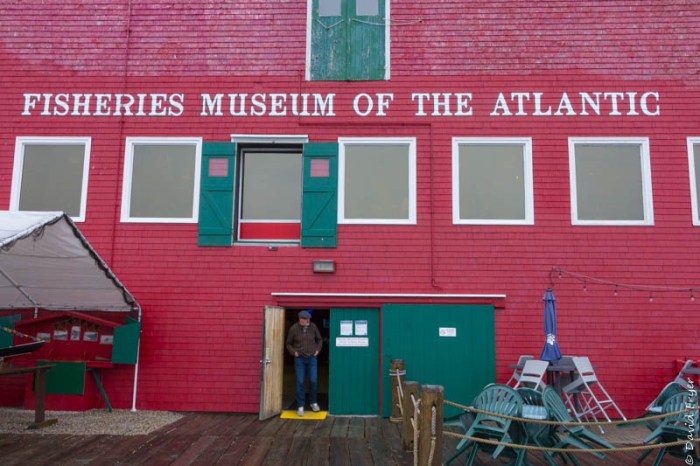
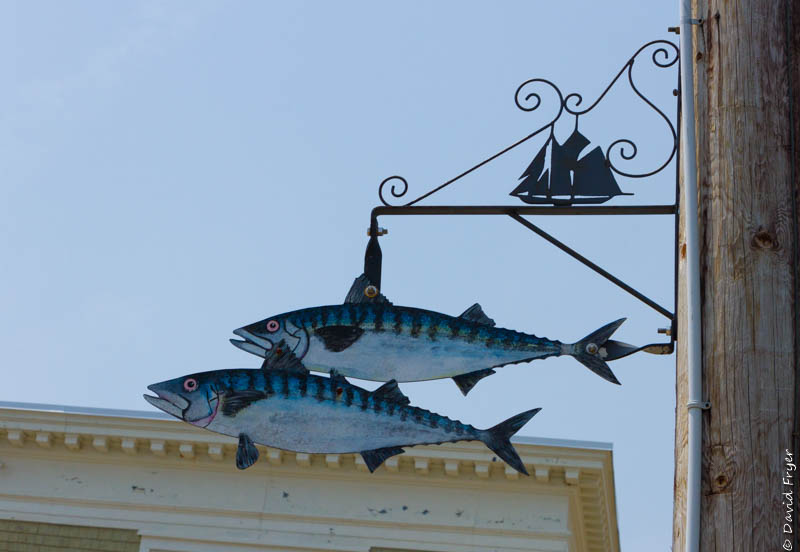
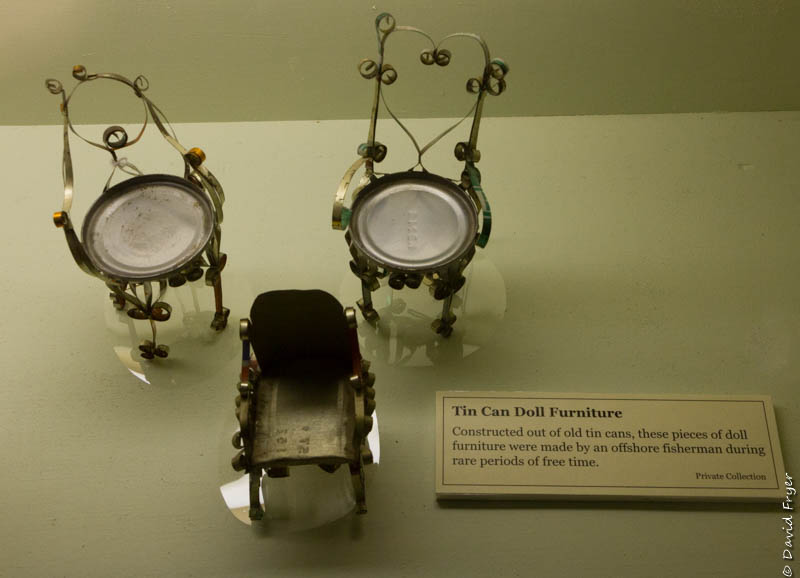
While we were in Lunenburg, Nova Scotia we were encouraged to visit the Atlantic Fisheries Museum which is located on the water front. It turned out to be a wonderful recommendation since fishing has been the life blood of this community since its founding.
We entered just in front of a tour-bus group and were mistaken for being part of the group. “No,” we said, “we need to pay the entrance fee.” After a laugh, we asked where they were going first so we could avoid the crowd. By the way, the current admission fee is $14.50 CAD for adults, $12 CAD for seniors, and $4 CAD for youth. As with so many places in the Maritimes, the openings are very seasonal. This museum opens “early.” This year the season started on May 20th.
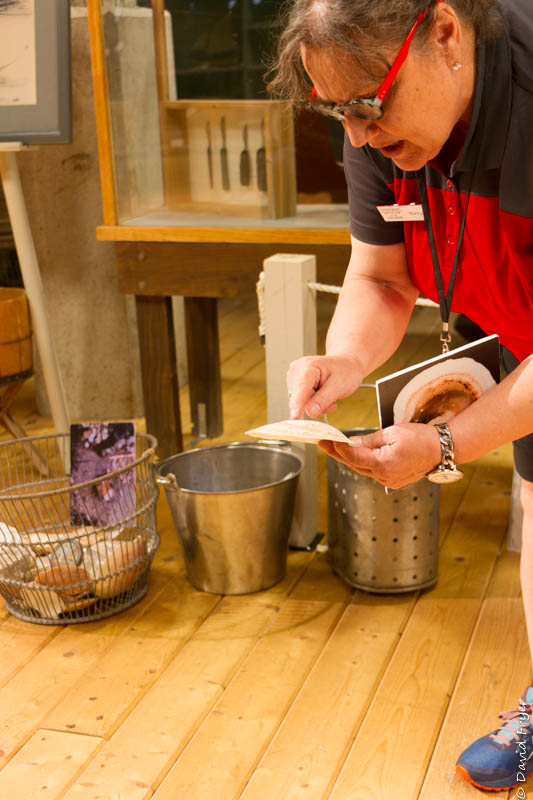
One of the highlights of this museum is the interpreters that work here. They were excellent and we tried to be present at the appointed hour, when we could, so we could talk with them.
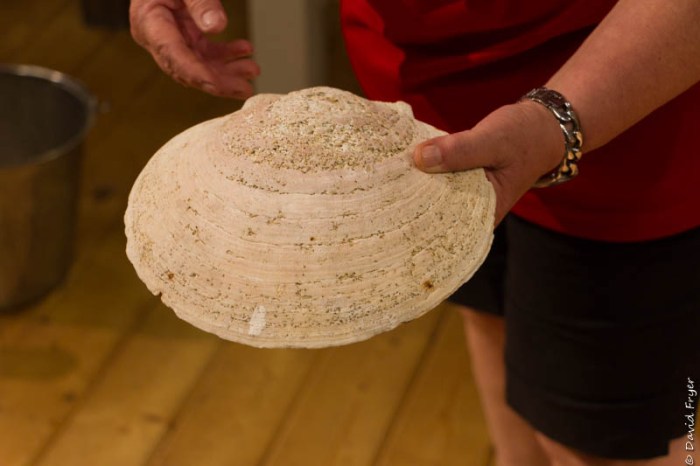
One of the talks that we attended was about scallops. Doesn’t sound that interesting but it was! The presenter was the wife of a fisherman and she captivated us with stories of the vocation, harvesting scallops, and the seafaring community.
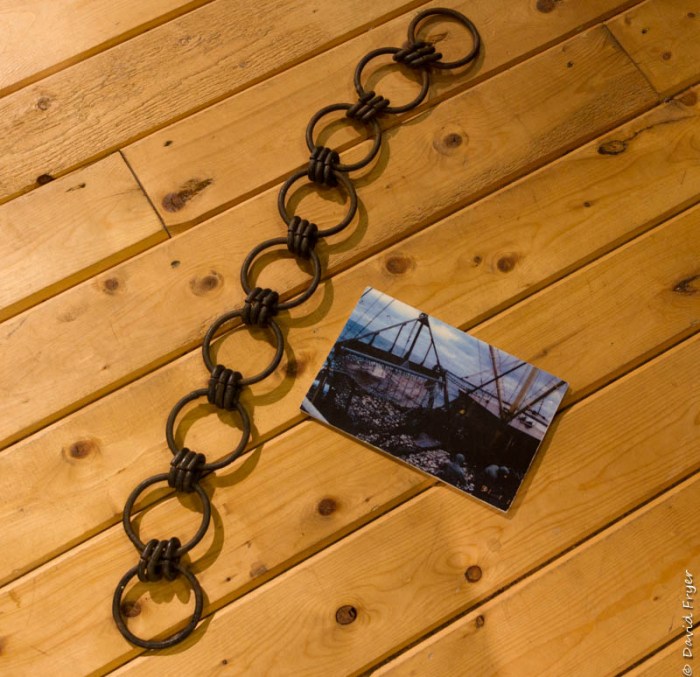
The boats dredge the ocean floor and quickly harvest the scallop meat from the shells. Some of the fisherman take so much pride in their work that they have shucking contests to show off their speed.
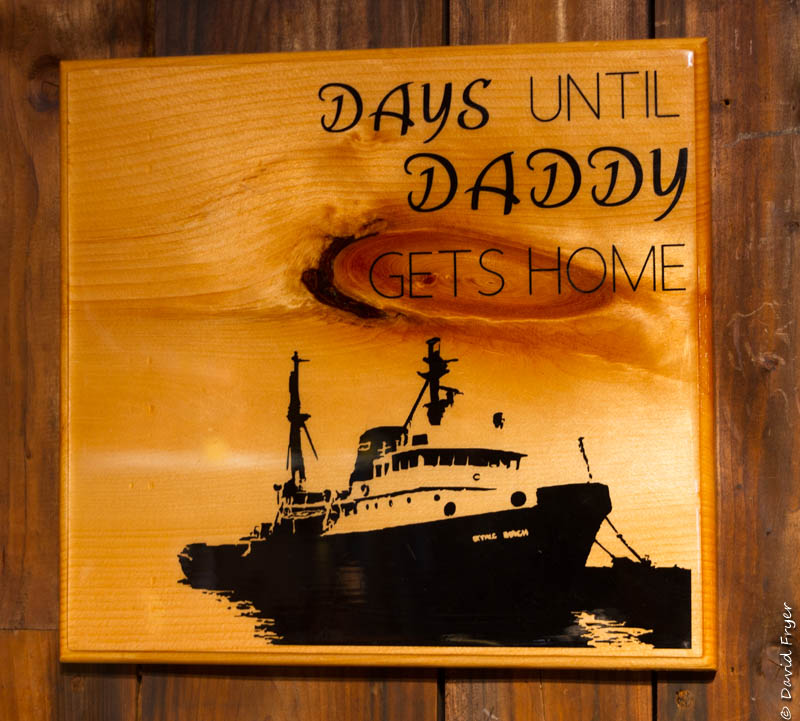
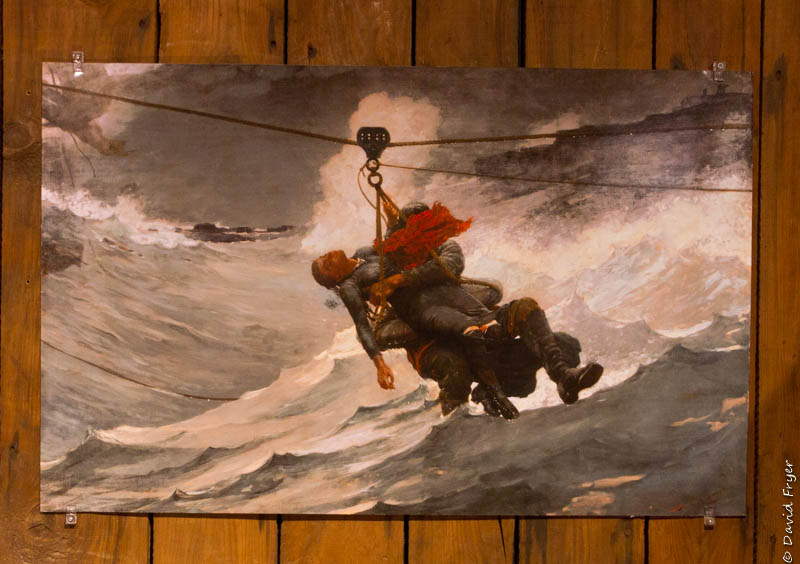
Being the wife of a fisherman in years past, entailed waiting for your family to return safely from days at sea. Many who left for the waters, never returned. Unfortunately, many fathers, sons, and other relatives departed on the same boats and never came home again.
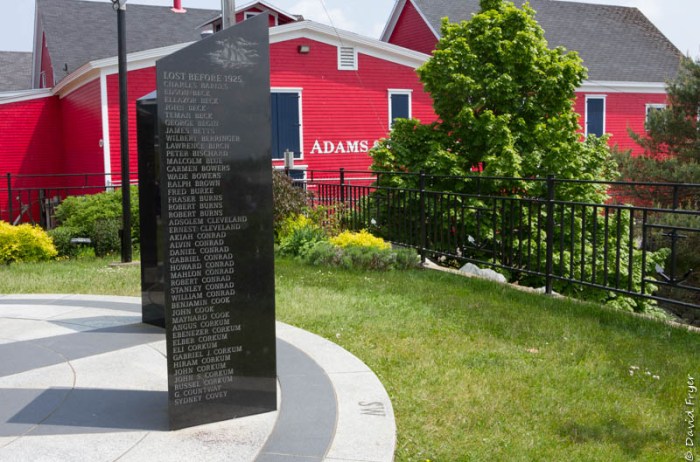
Look at the photo from the memorial at the Lunenburg waterfront. Notice how so many of the last names are the same. Communities rallied together in the face of unspeakable tragedy. Wives, mothers, and children sometimes moved in with other families to survive the loss of the breadwinners.
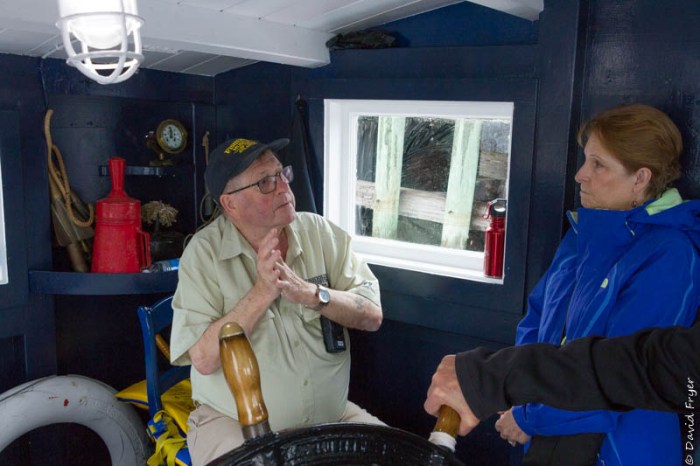
Included in the admission fee is a tour is the fishing schooner, the Theresa E. Connor. Fortunately for us, a long time boat captain was there sharing about the life and work of the fishing industry. We toured the boat and asked a lot of questions. It was easy to see just how challenging the work can be. But as the scallop interpreter told us, “It just gets in your blood, and you can’t do anything else.”
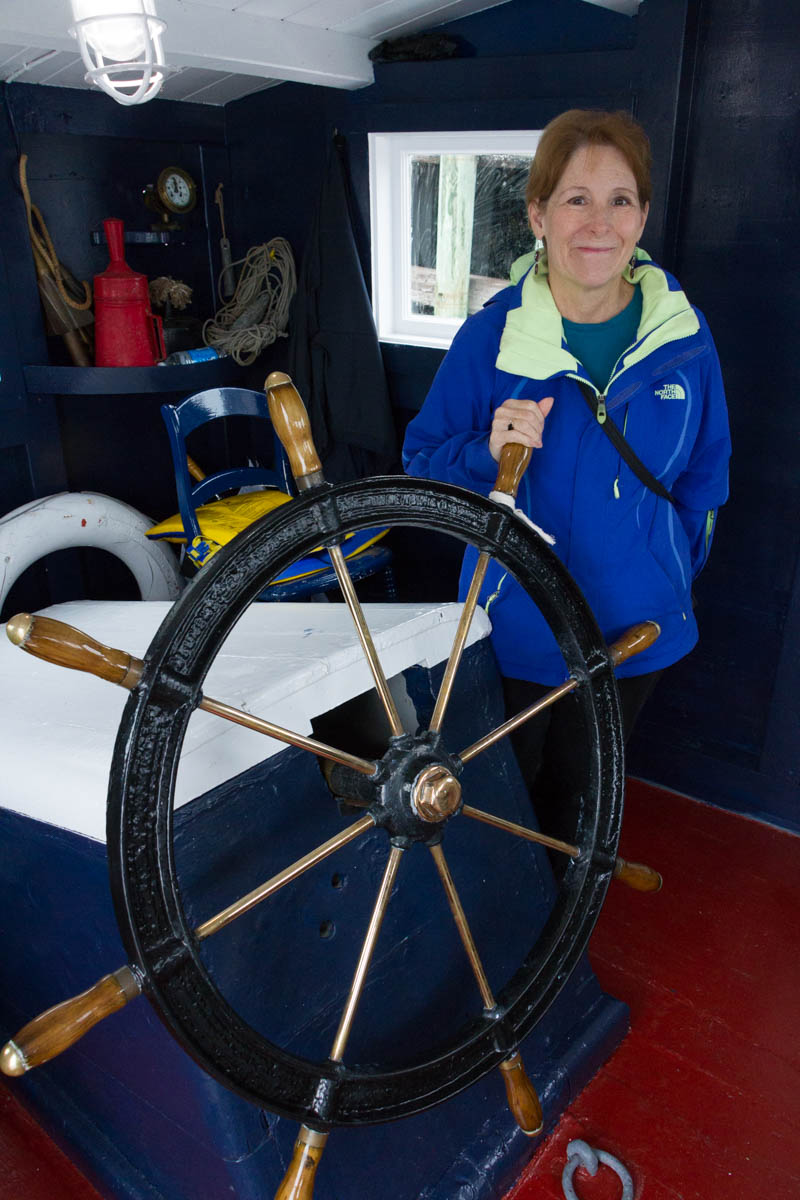
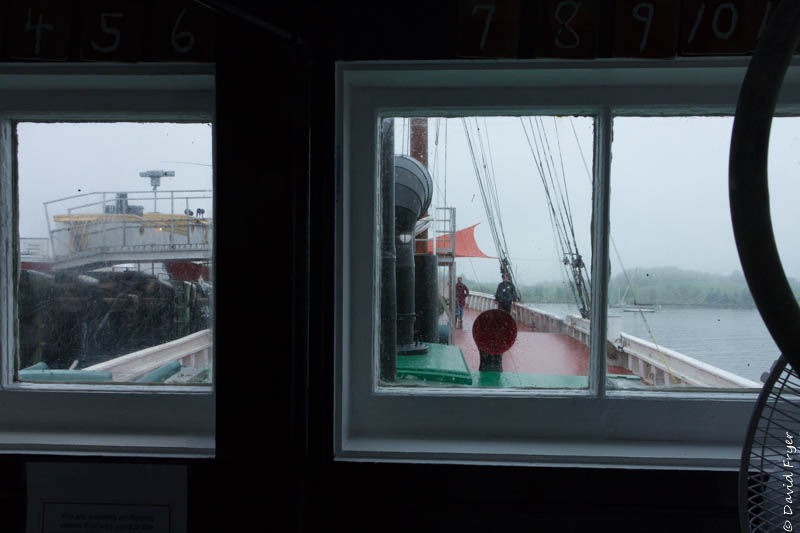
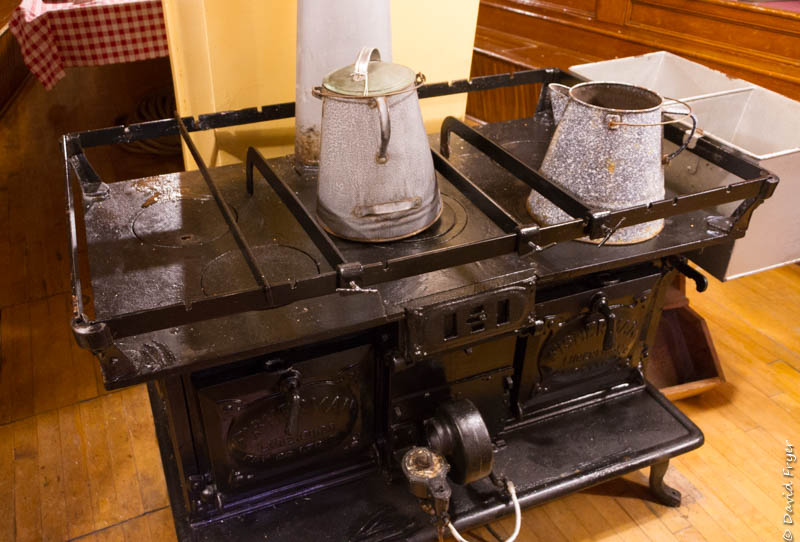
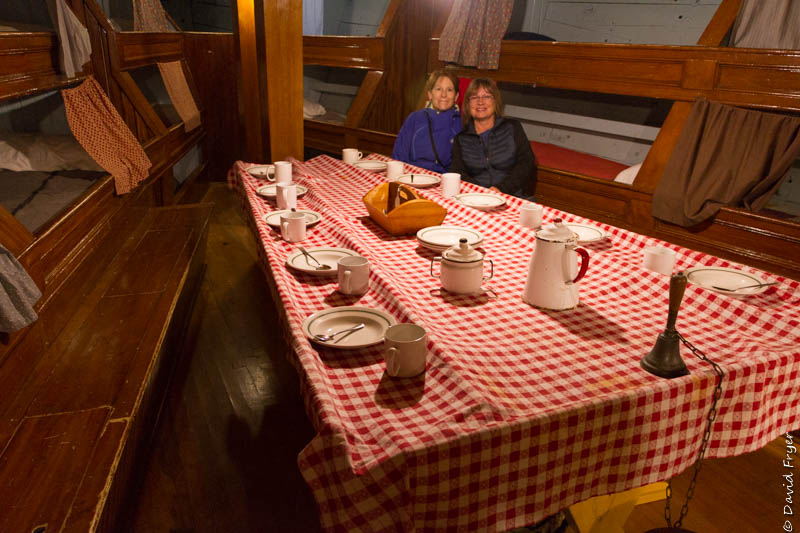
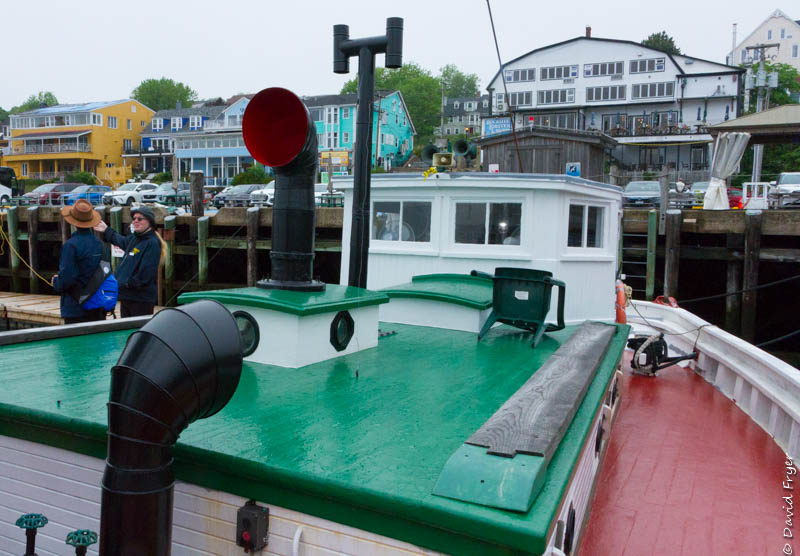
Surprisingly, this historic vessel was used until 1966. The captain lamented that it was difficult to get the men to sail on the older boats with fewer amenities. For some reason the crew liked bathrooms and the like!
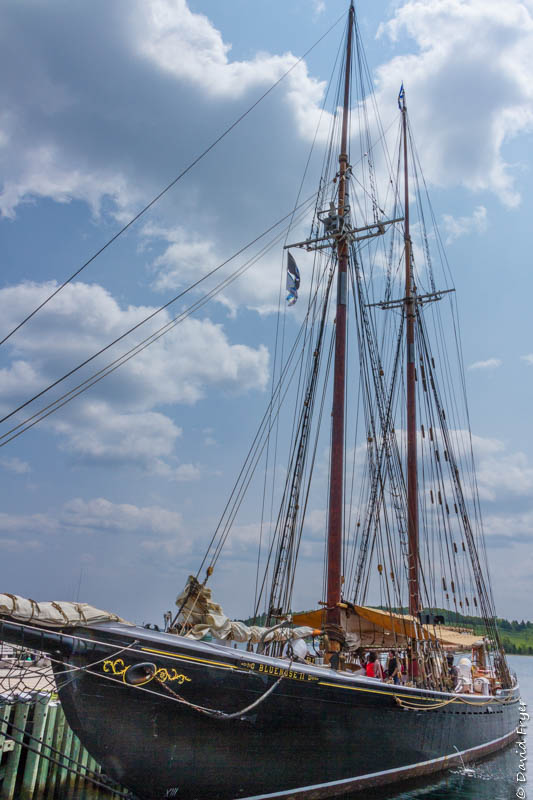
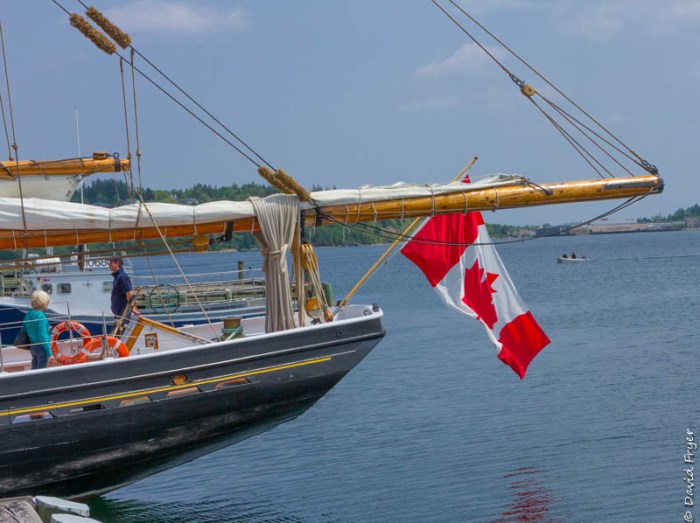
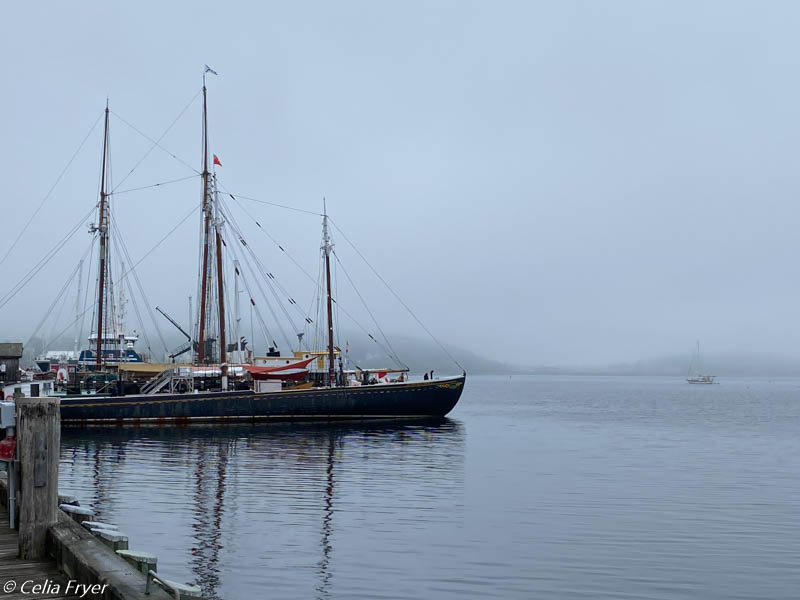
The museum was great for a rainy day, but we chose to see the other ship on dock in the harbor on a sunny day. It was the Bluenose II, the pride of Canada, and this vessel is a replica of the original Bluenose schooner.
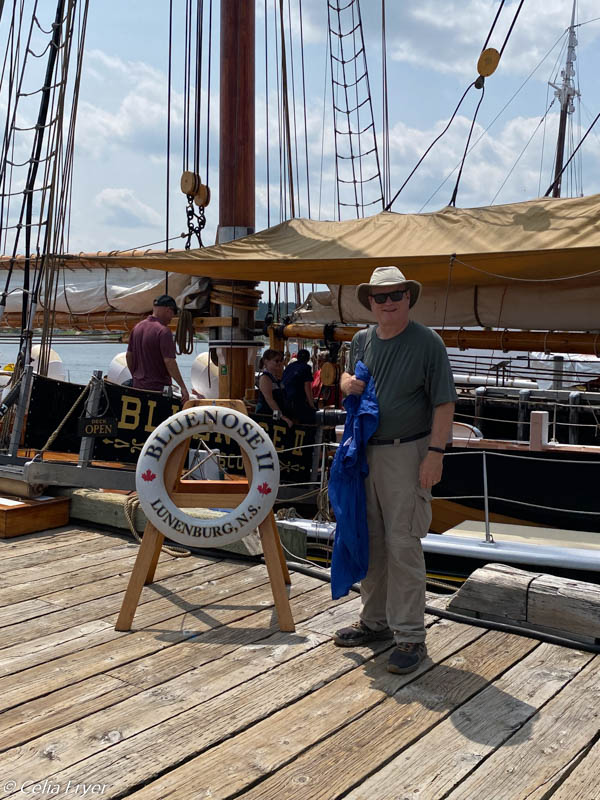
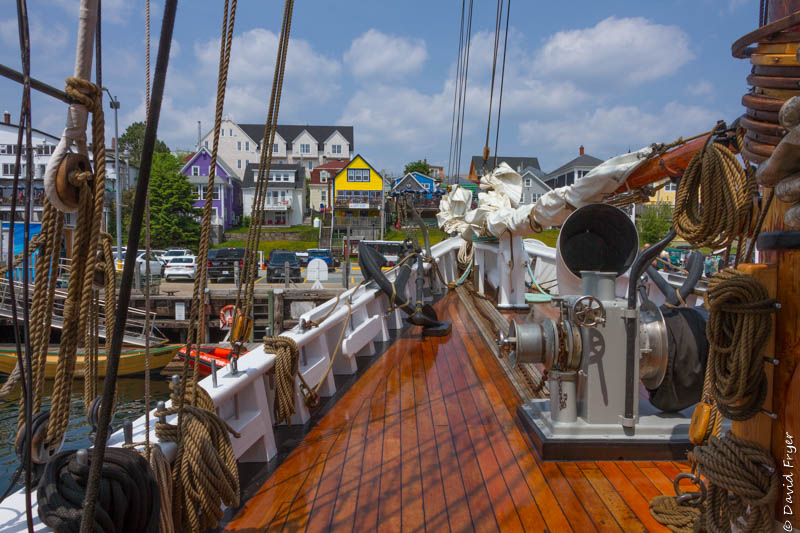
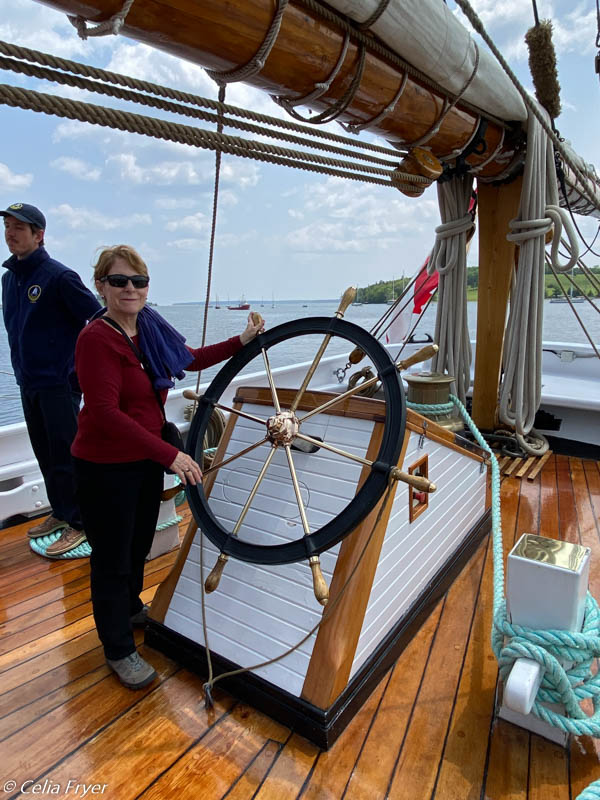
A crew of 20 sails the Bluenose II to various ports, but we were lucky that the schooner was in its home port of Lunenburg that day. The ship performs a six month season every year and the crew lives onboard during this time.
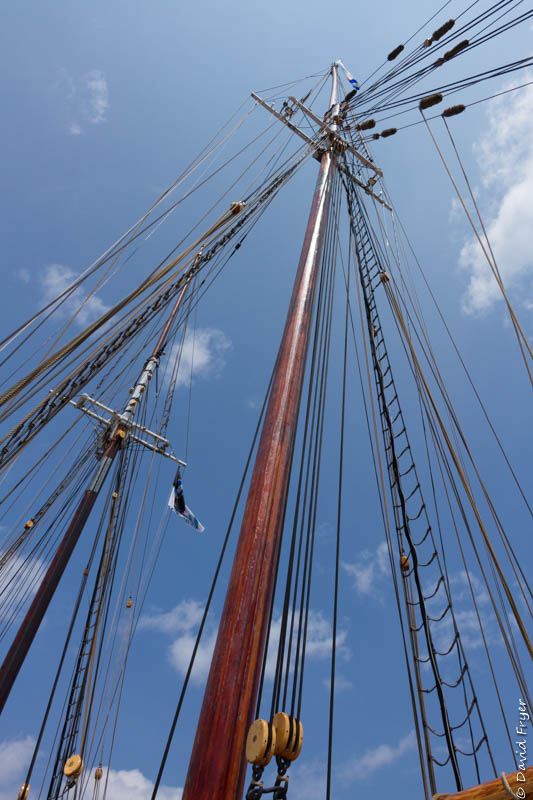
The ship is beautiful with its woodwork and massive sails. It has two tall masts and eight total sails. You can only visit the schooners deck but it is still a very popular spot to see. You can also book harbor trips on the Bluenose II from Lunenburg. There is even a “Deckhand for a Day” opportunity.
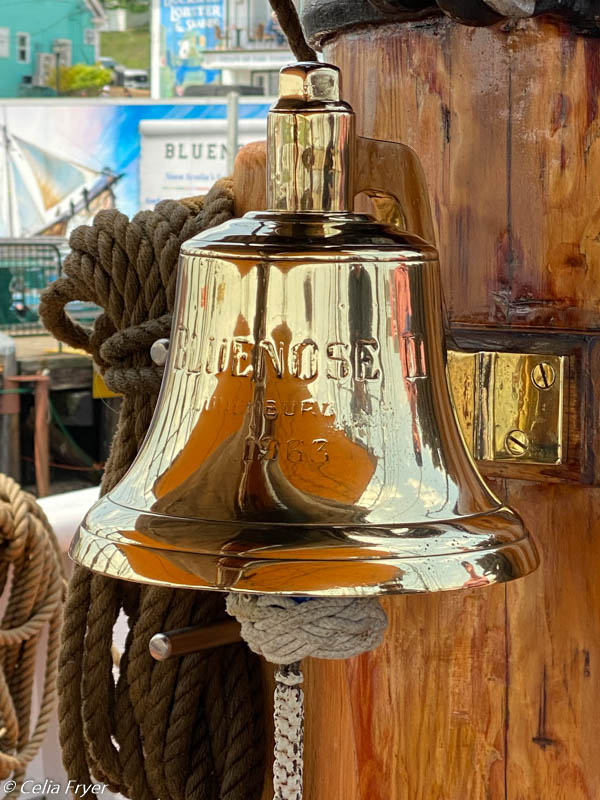
To understand the reason why the Bluenose and Bluenose II are so popular, you have to know some of the history. The Maritimes and New England states had a rivalry as to who had the best sailors and fishing schooners. In 1920, an official race was established and a Gloucester, Massachusetts schooner decisively bested the Nova Scotian ship. Calvin Coolidge exclaimed that the victory was a “Triumph of Americanism!”
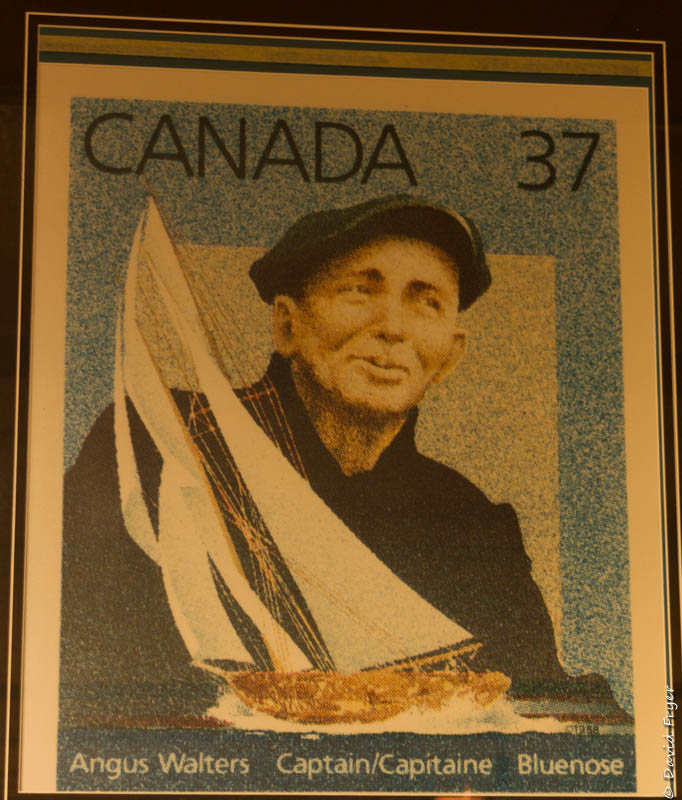
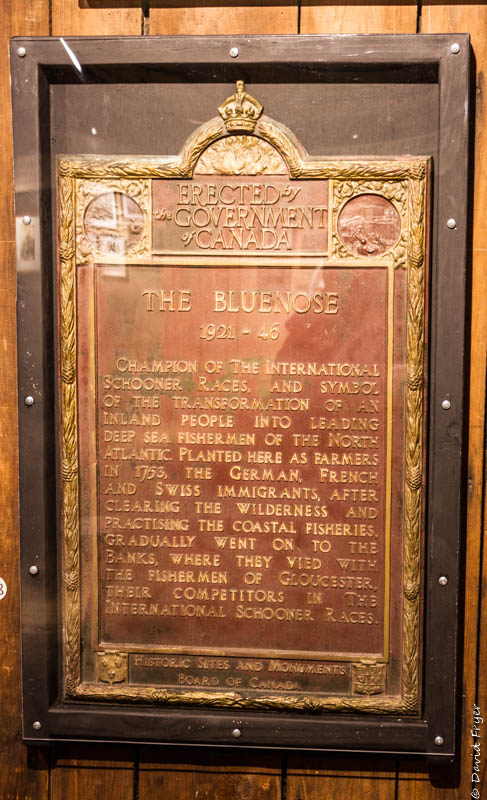
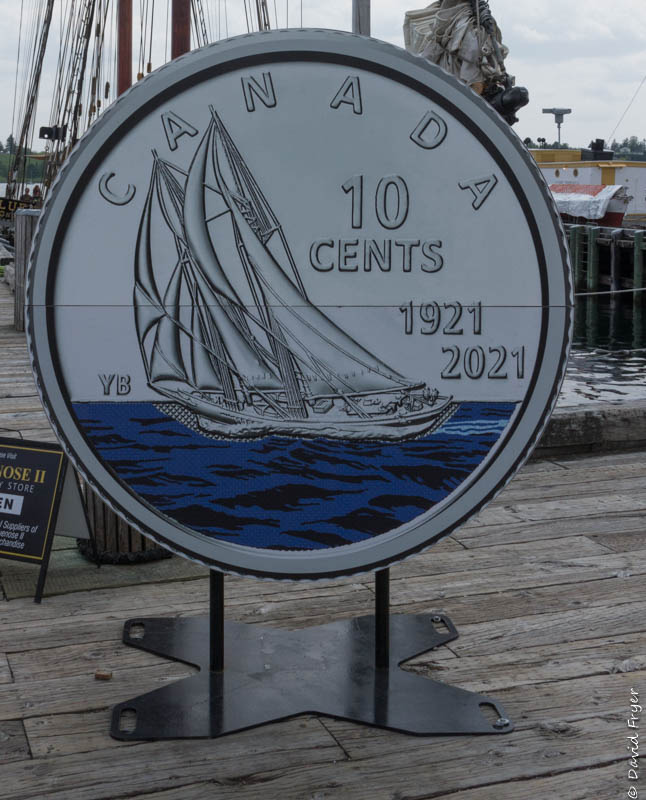
Embarrassed, the Canadians went back to the drawing board to build a schooner that could best those New England upstarts. A Halifax architect was chosen to design a vessel that would win back the trophy. A year later, the Nova Scotian Bluenose beat their rivals and continued undefeated until the last International Fisherman’s Race in 1938. A rendering of the Bluenose has been on the Canadian dime since 1937.
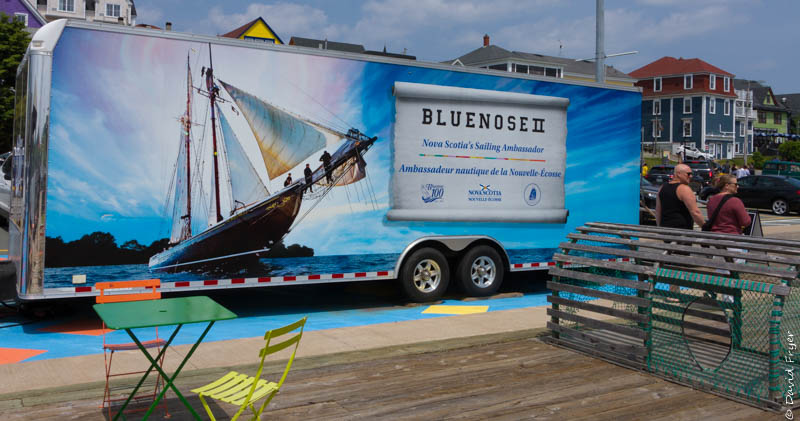
Years later in 1946, the schooner owned now by the West Indies Trading Company sank off the coast of Haiti. Canadian pride yearned for the glory of the Bluenose. In the 1960s a family in Halifax commissioned for the Bluenose II to be built. It was constructed in the same shipyard and by some of the same builders as the Bluenose.
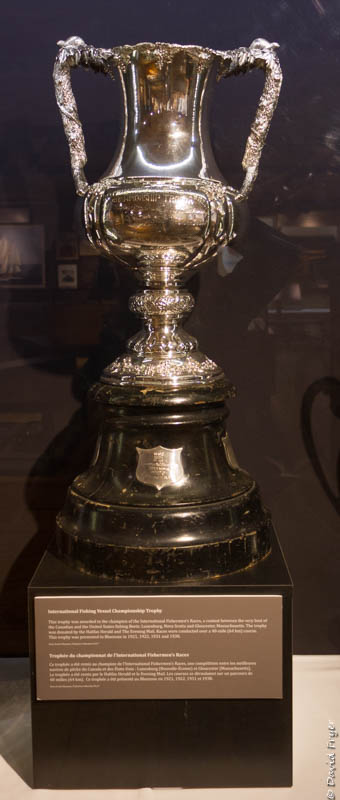
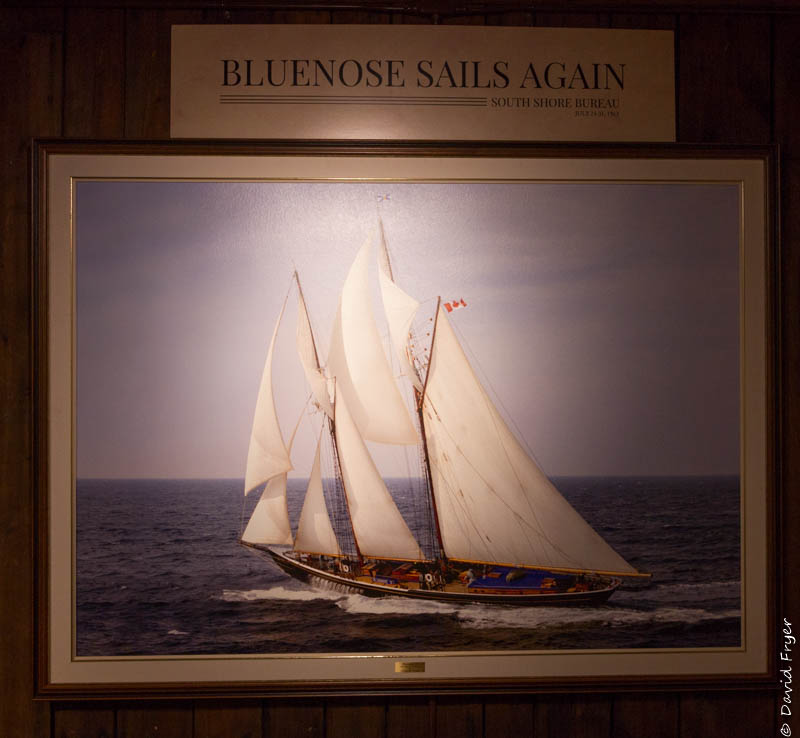
The Bluenose II was sold to the Province of Nova Scotia in 1971 for the tidy sum of $1. The beautiful ship has become the pride of Nova Scotia and a reminder of the fame and glory of the original ship.
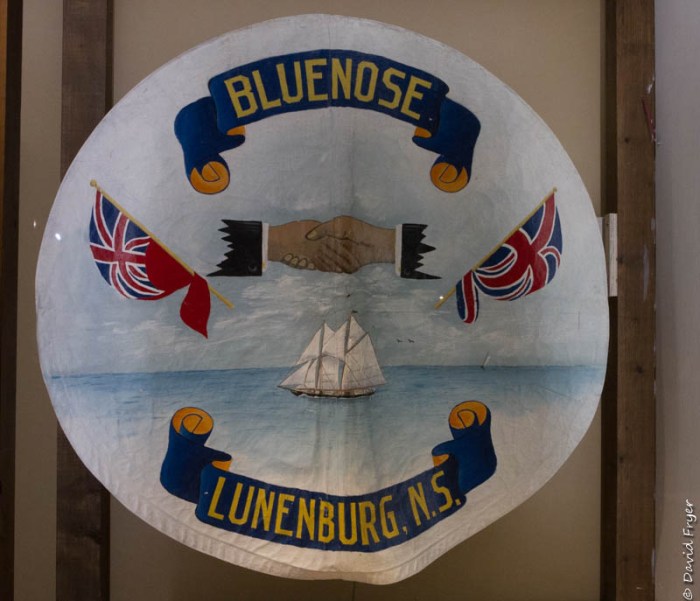
Why the name Bluenose? That is a nickname for Nova Scotians. Its origin is not known but what is evident is that it was first used in a derogatory way as early as the 1780s. The Nova Scotians have since embraced it and the term is commonly used. We have found mini-marts, restaurants, and even an RV dealer named Bluenose.
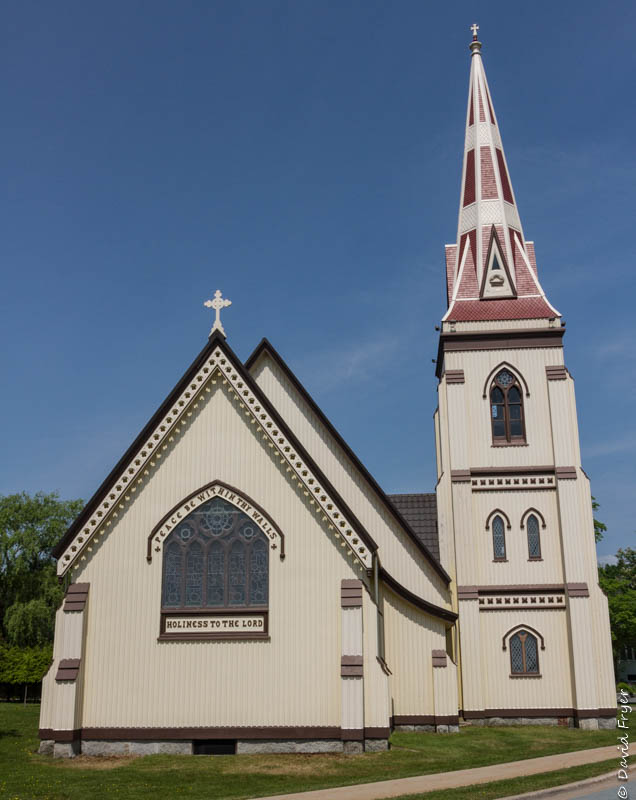
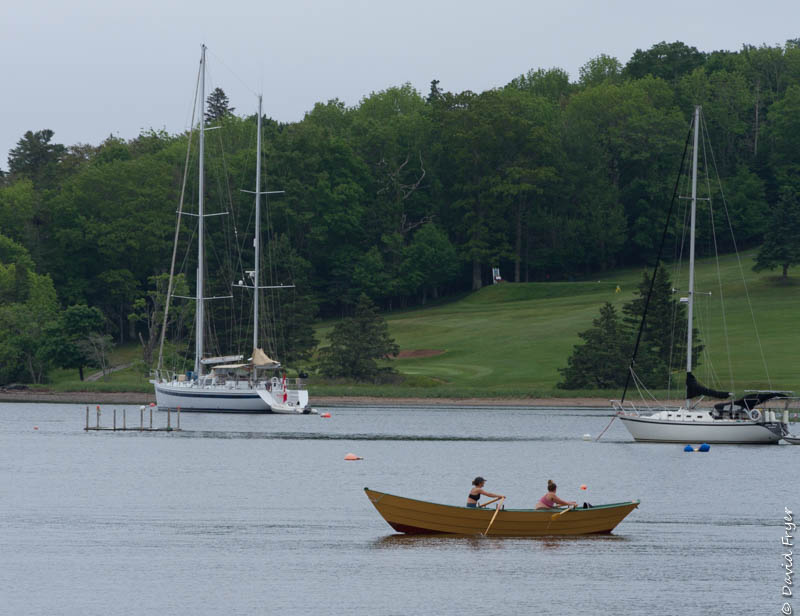
We also visited a quaint town near Lunenburg called Mahone Bay. We enjoyed walking along the streets there and visiting some of the shops. I especially liked getting something at the local bakery. One of the highlights of the town is the beautiful churches that grace the bay.
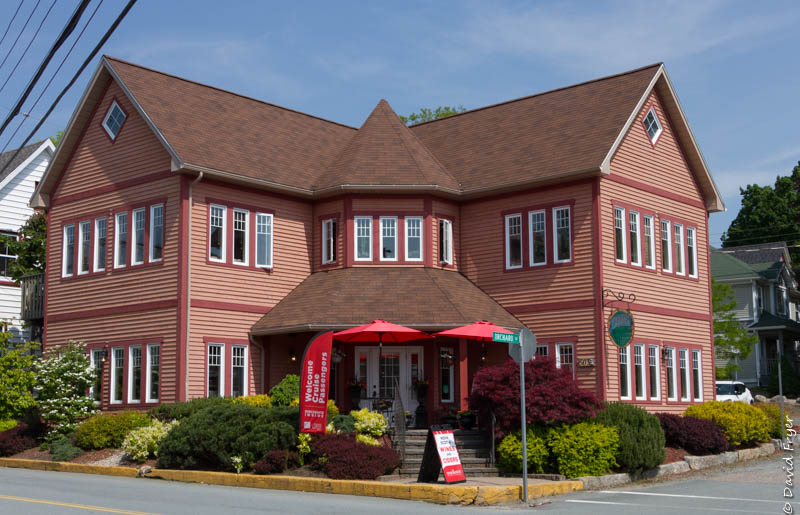
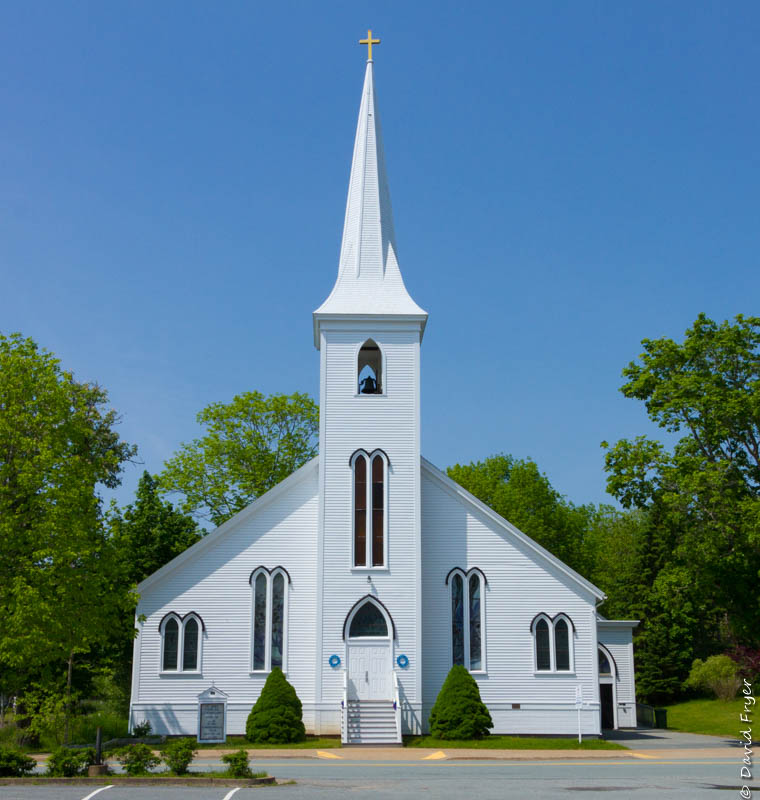
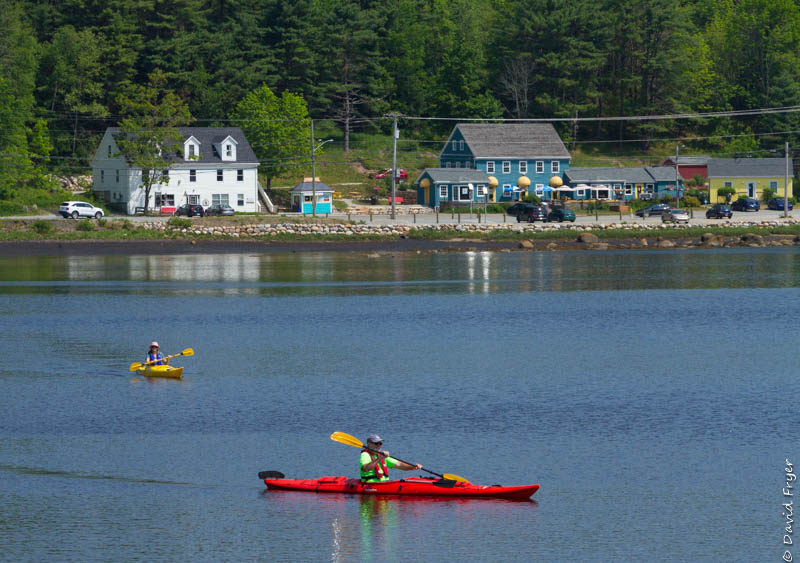
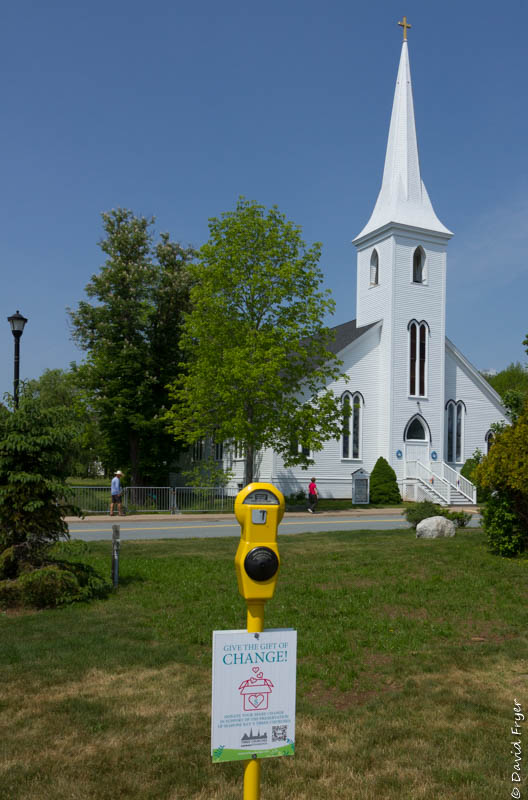
Something unique that we saw was a “parking meter” that excepts donations for the three churches on the waterfront. It was a beautiful sunny day, a nice respite from some of the previous rainy days. With all the dry land this spring and summer, everyone was grateful for all the rain and no one complained.
As much as we did not want to leave, it was time to move north toward Halifax. One of the most visited spots in the province was ahead, its called Peggy’s Cove.

 Piddlin' Around
Thank you for sharing 😁
LikeLiked by 1 person
Thanks so much. We really enjoyed visiting Lunenburg.
LikeLike
Loved reading this about Nova Scotia. Love your photos and narrative that go with each spot you feature!
LikeLiked by 1 person
Thanks for reading our posts! We are having a wonderful time.
LikeLike
Your post makes me want to go back already!
LikeLiked by 1 person