It was time to make our way to “The Island.” As we mentioned in a previous post, we had planned to take the ferry over to the island and the famous Confederation Bridge back. Fortunately, we were told at the Visitor Center in Baddeck that the ferry was out-of-service due to mechanical issues and that we needed to adjust our plans. The closing of the ferry was not indicated on any of the highway signage and we even met some Nova Scotians who had spent the night at the terminal only to realize the next morning that they were out of luck. With no ferry service, we had to make our way to the only bridge to Prince Edward Island.
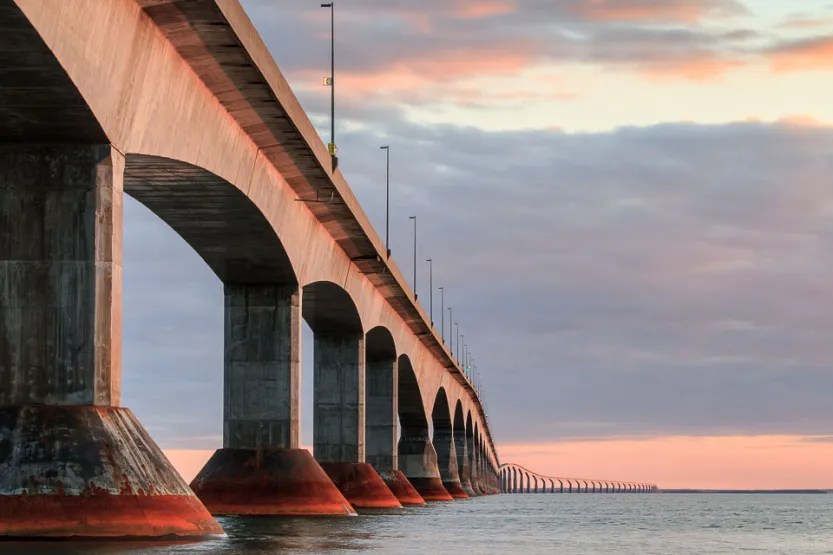
The Confederation Bridge is a most important connection to the island. This eight-mile long span opened in 1997 and it is Canada’s longest bridge. From the ferry terminal in Pictou, it requires many more miles to cross into the province, but not that much difference in time verses the ferry. Both the ferry and the bridge require a toll only when leaving the island, but it is not a trivial amount. It was over $65 CAD for the Bighorn to return to New Brunswick via the bridge.
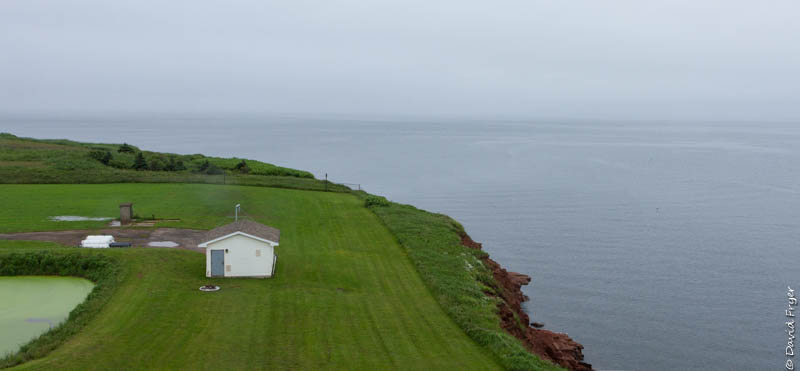
After crossing the bridge, we arrived in probably the most popular place in the Canadian Maritimes. We had gotten used to the rolling hills of Cape Breton and did not expect the lack of mountains on the island. Just like Nova Scotia, everything is a verdant green but farming, not seafood, is king.
I have to admit that we knew little about the Maritimes before we arrived here not even what provinces constitute them. Our visit here has been even more rewarding due to the sheer discovery of the land, its history, and the diverse people that inhabit the province.
As with New Brunswick, Nova Scotia, and now Prince Edward Island, the First Nations Mi’kmaq lived here for centuries before Europeans laid eyes on the island. There are still Mi’kmaq settlements on the island to this day. The French colonized the island as part of the colony of Acadia in 1604. They named the island Saint-Jean. It was renamed in 1798 to honor the forth son of King George III, Prince Edward Augustus.
Prince Edward Island also touts itself as the “Birthplace of the Confederation” due to early meetings being held on the island that led to the creation of Canada in 1867. Ironically, the inhabitants of Prince Edward Island was initially not interested in joining the other provinces and they even entertained the idea of joining the United States!
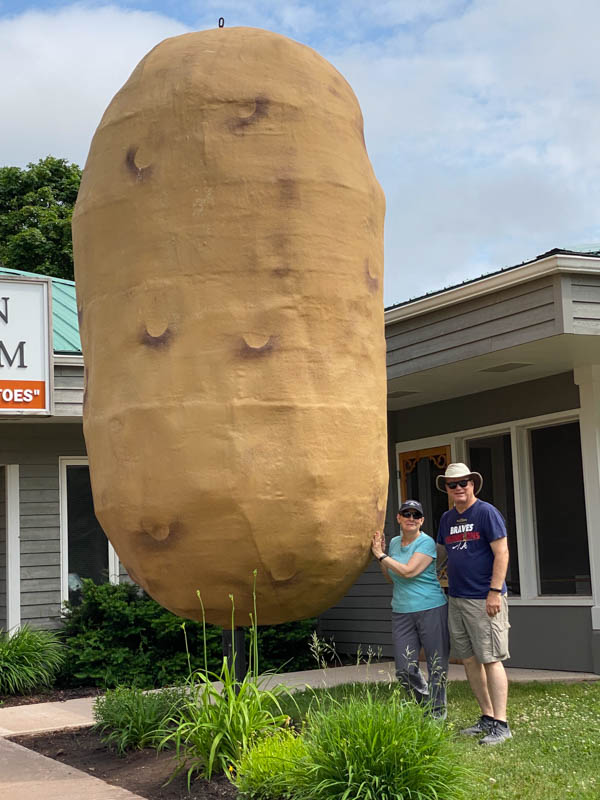
Perhaps our biggest surprise was how important potatoes crops are to those who live here. Potato fields are everywhere and the island supplies over 25% of the potatoes for all of Canada. There is even a potato museum.
In the town of O’Leary, is the Canadian Potato Museum. It contains all-things tuber and is fortunately more interesting than it sounds.
Before entering you are greeted by the largest potato you have ever seen. They claim to have the largest collection of potato-related farm machinery in the world.
While countries like China and Russia harvest more potatoes, Prince Edward Island, produces 10,000 kilos (22,000 lbs) per-person annually! So they like to say that they are the “Potato Capital of the World.”
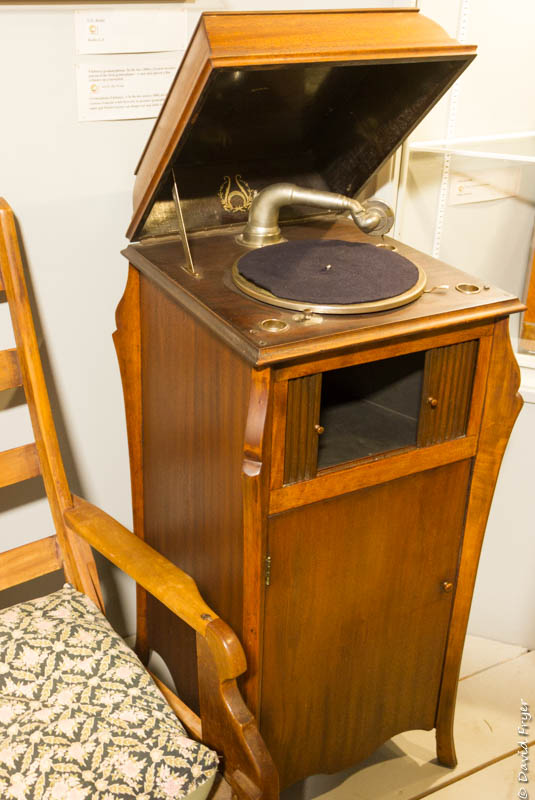
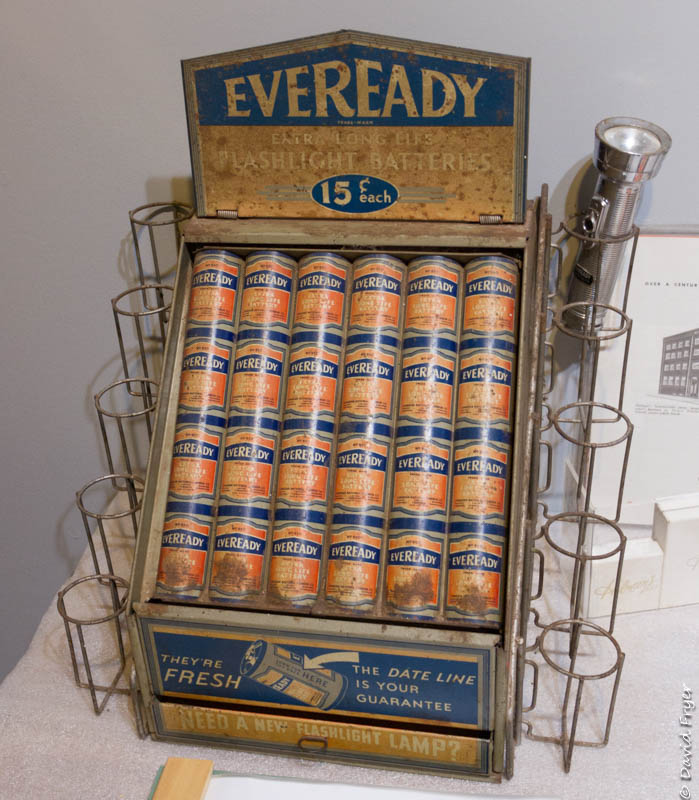
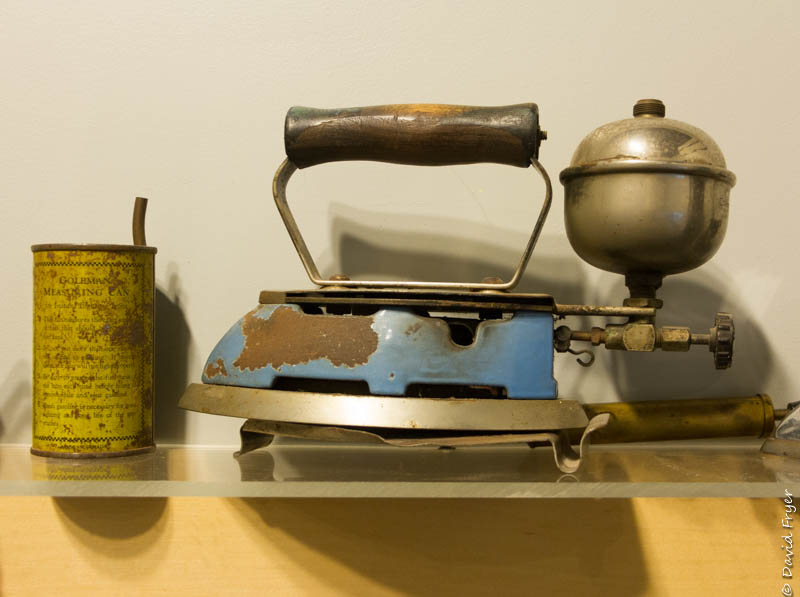
The museum is divided into two main sections, the first has artifacts from the past called the “Community Museum.” It is not very interesting but does have items you may have seen in antique shops.
The reason for visiting is the large section on the potato industry. Although, if you are craving poutine or french fries you may have come to eat at the restaurant. The museum provides information about the history, methods of growing/harvesting, and the many variety of potatoes.
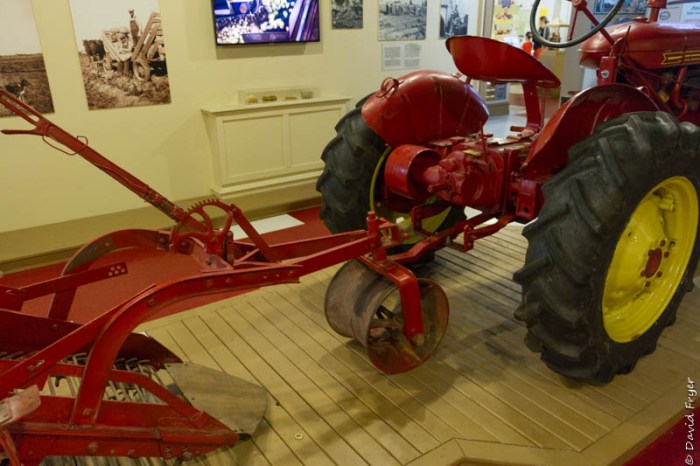
Numerous pieces of machinery that has evolved and helped plant and harvest potatoes, including the tractor pulled potato picker, are on display.
While there we learned that Frederic the Great required potatoes to be cultivated upon the penalty of losing a nose and ear for those who did not comply.
The earliest European crops of potatoes were grown in Seville, Spain in 1573, at the Hospital de la Sangre.
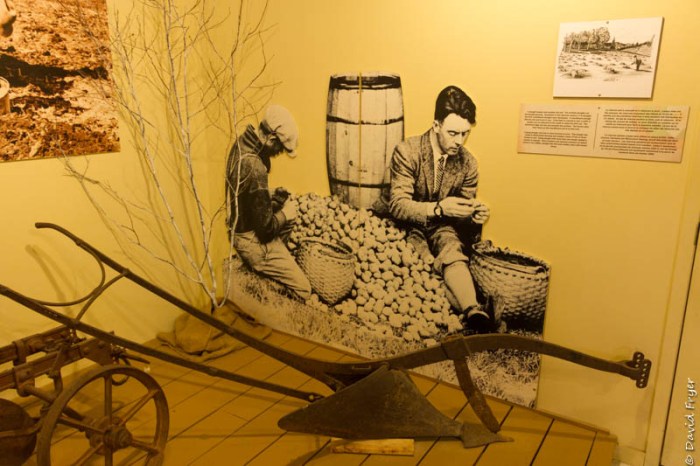
In 1619, potatoes were banned in Burgundy because of the fear they caused leprosy. Just look at the scabby rough surfaces and you can see why they were forbidden.
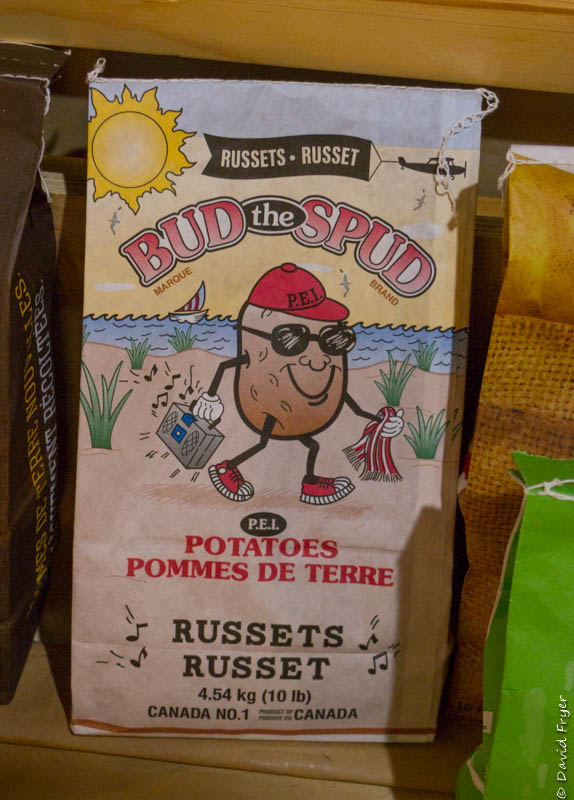
An American named Luther Burbank discovered a variety of potato that became the world’s most successful tuber, subsequently named the Russet Burbank. Today there are literally thousands of different types of potatoes, many found in South America.
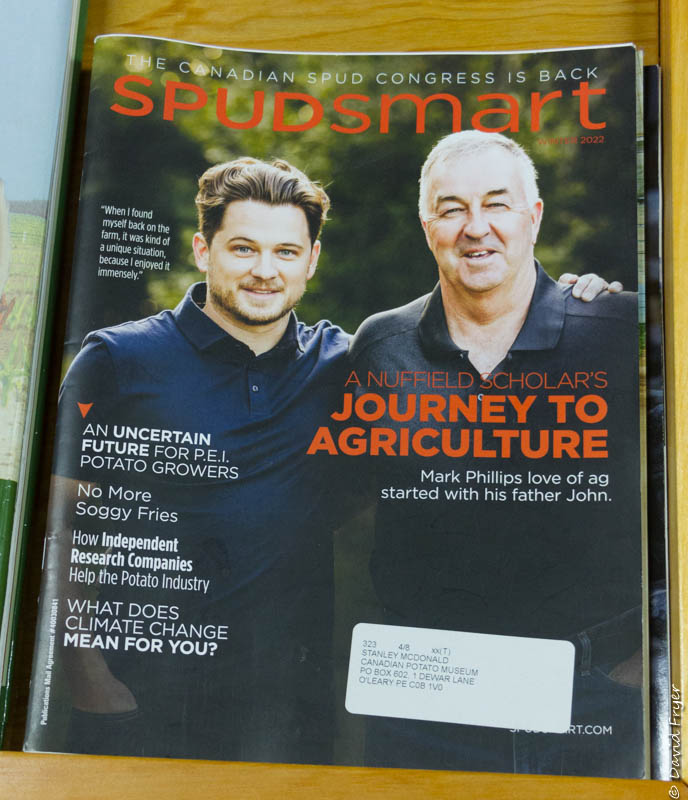
It you need to catch up on your spud reading they have copies of SpudSmart magazine.
If you haven’t had enough of the potato theme, the gift shop has numerous varieties of potato chips, but also items like potato fudge and potato-themed T-shirts.
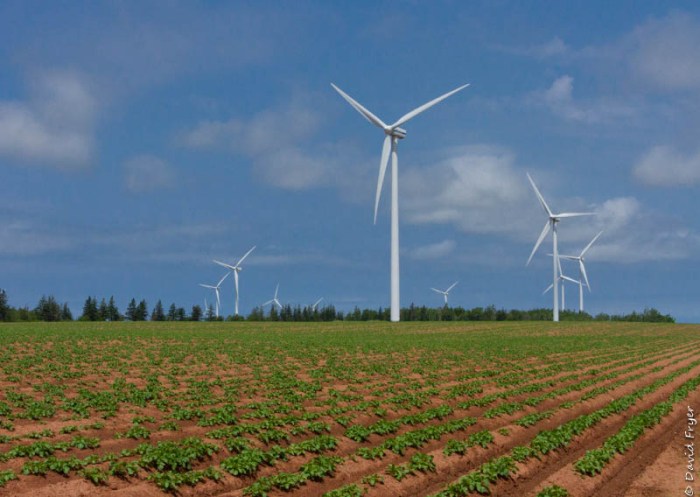
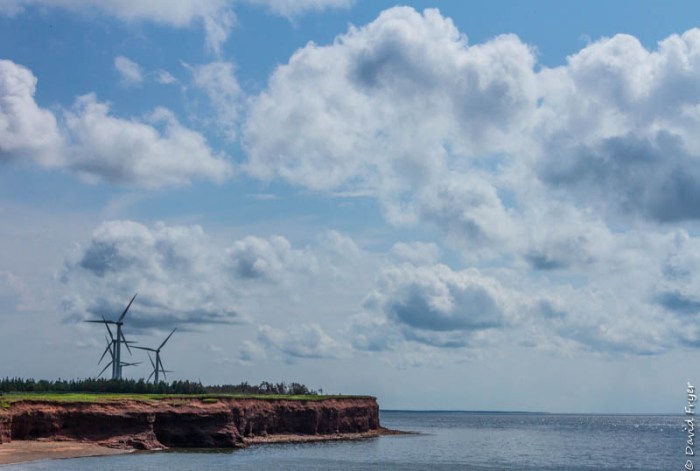
After all-things potato, we set out to explore the western side of the island. One of the first things you will notice is the wind turbines within the potato fields. We were told that PEI gets 15% of its electricity from wind power.
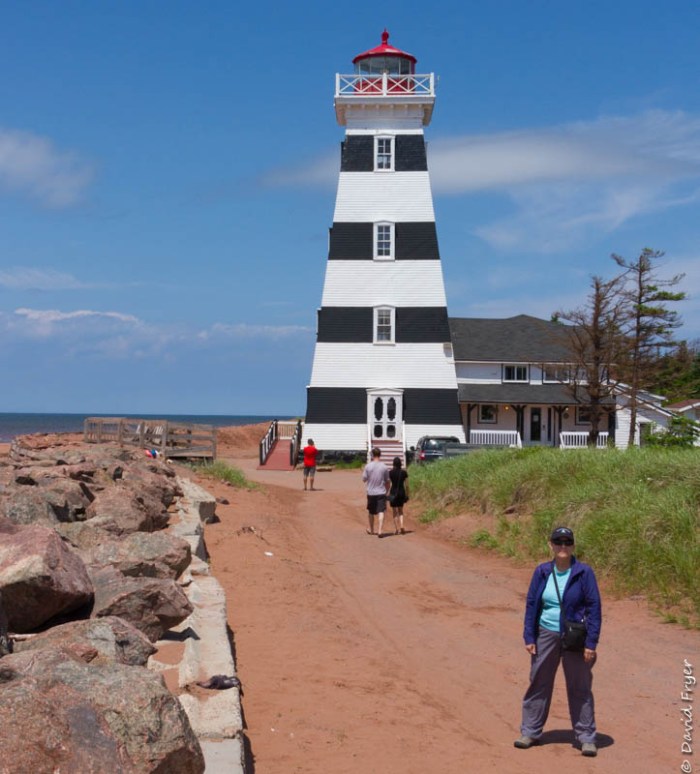
Our first lighthouse stop was at the West Point Lighthouse. This is one you are able to tour and of course we had to go to the top. We loved the unique design of the horizontal stripes of the lighthouse.
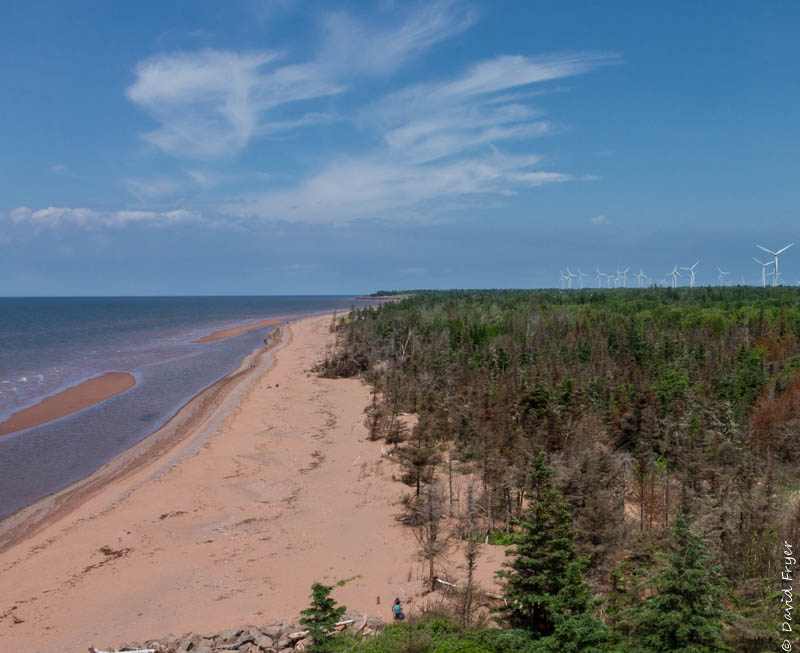
The West Point Lighthouse was built in 1875 at the western entrance of the Northumberland Strait. In 1984, it transitioned to a museum with a restaurant and inn.
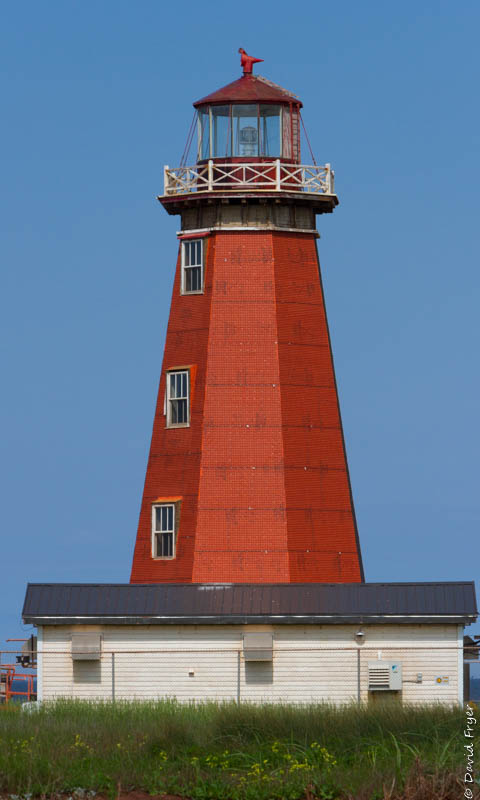
Next we traveled north to the North Cape Lighthouse. This is a beautiful area, but unfortunately the lighthouse itself is under repair. The first layer of the lighthouse skin is orange! Hopefully soon it will return with its white cover and red top.
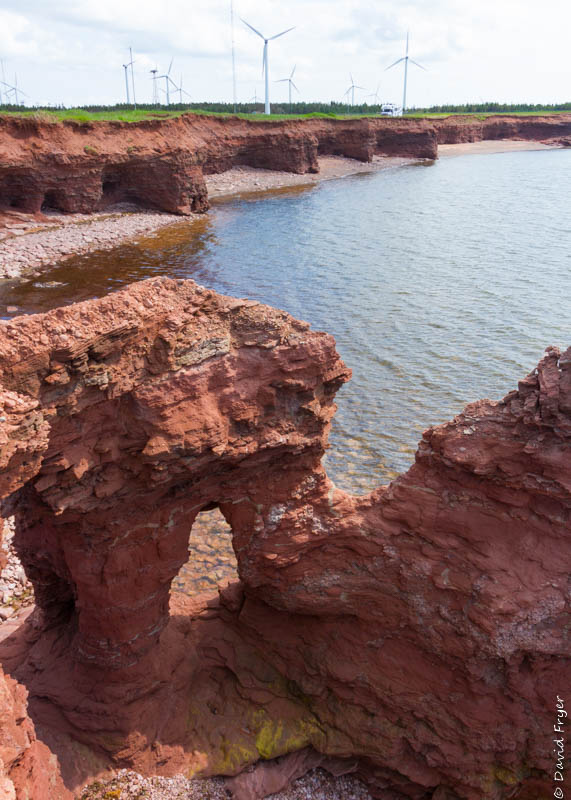
This is a popular spot with the lighthouse, ocean scenery, and wind farm. There is also a wind energy museum at this location as well. We were too tired to visit the museum and had a long drive back to the rig in Cavendish. All in all a great day exploring and collecting some memories.
Next we explore all things Anne of Green Gables and the life of Lucy Maud Montgomery.

 Piddlin' Around
I never know what I will learn when I read your posts. Who knew that PEI
LikeLiked by 1 person
Oops! Accidentally sent before I was done! Who knew that PEI grew so many potatoes? Love you photos and love the lighthouses!
LikeLiked by 1 person