Our plan from the beginning was to stay in Cavendish and explore the island with day trips from there. The island is bigger than it seems but it was a doable approach and we were not going to let some rain ruin our exploration. We set out to head east to see what that part of the island had to offer.
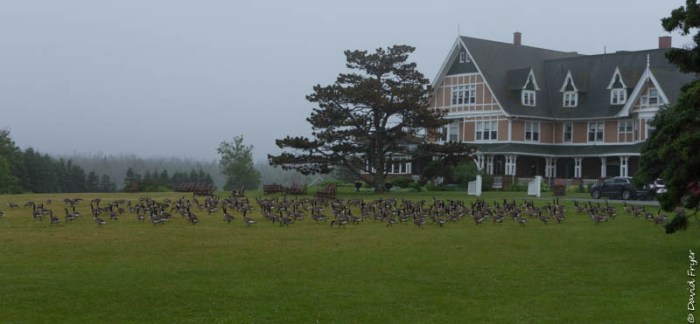
Our first stop was the famous hotel, Dalvay-By-The-Sea. This wonderful spot is also home to the largest collection of geese that I have even seen. Pictures do not capture the hundreds of auto-fertilizing creatures that graced the lawn of the hotel. One of our favorite memories is befriending a groundskeeper who incredulously asked us, “You like those things?” If your job is to clean up after these birds, fowl must be the only word that comes to mind.
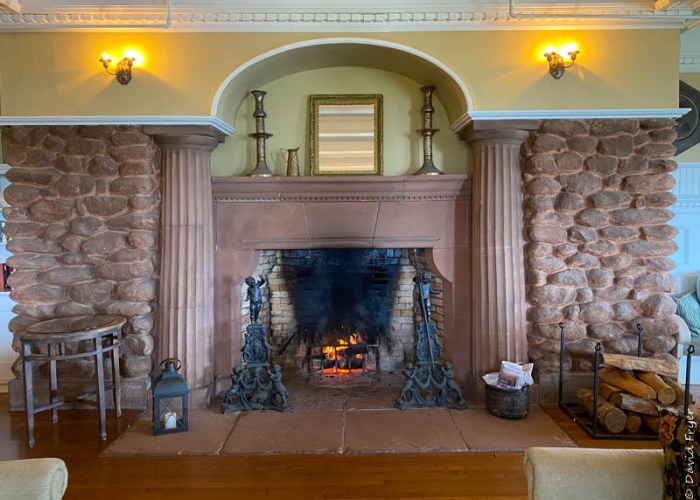
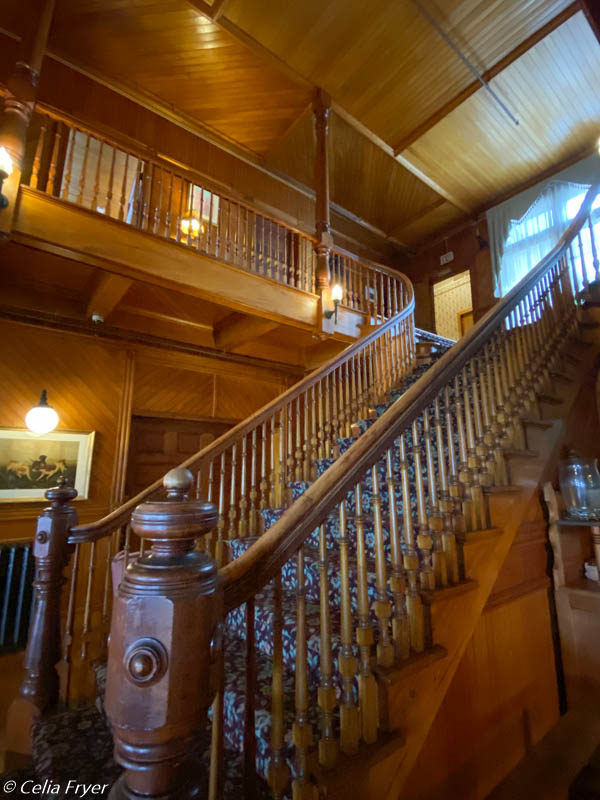
This small hotel is well appointed and we enjoyed browsing around the lobby. Sitting outside, taking in the scenery would be wonderful but not on this rainy day.
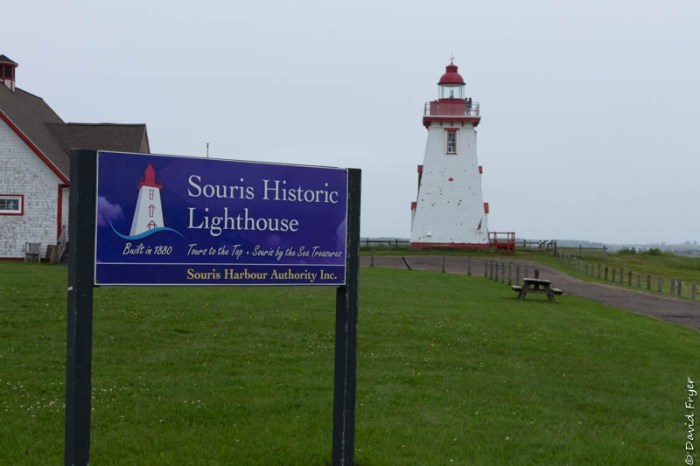
Our next stop was a lighthouse in the town of Souris. This is a small fishing town on the eastern coast of Prince Edward Island is named for the French word, “mouse.” In fact the town mascot is a mouse. It was founded by the Acadians in 1727.
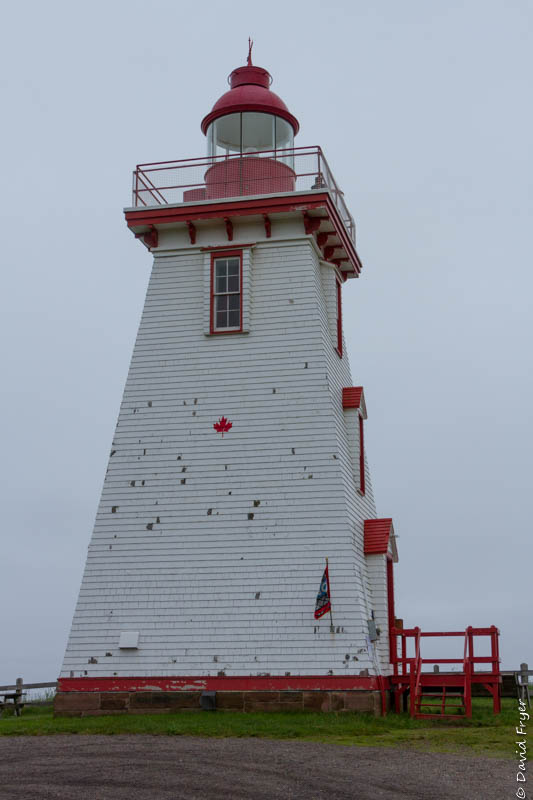
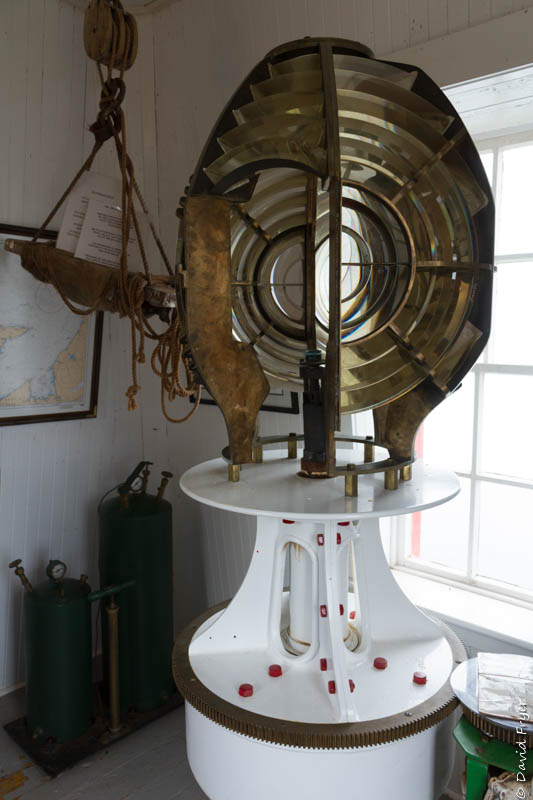
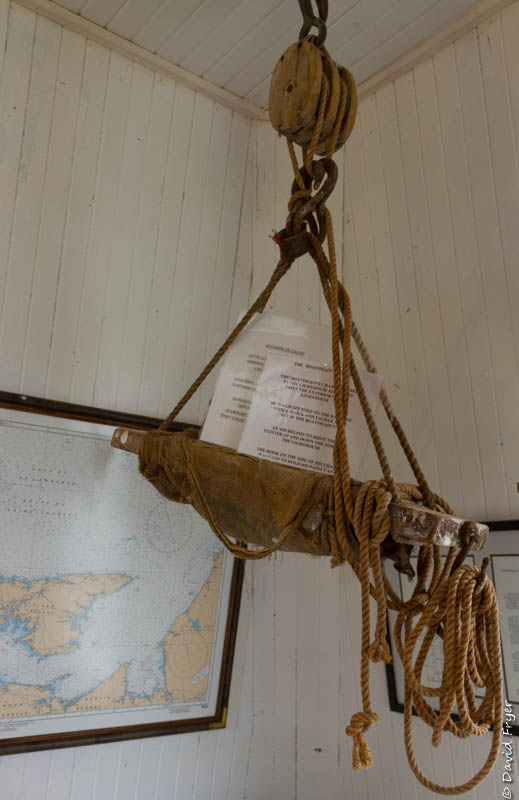
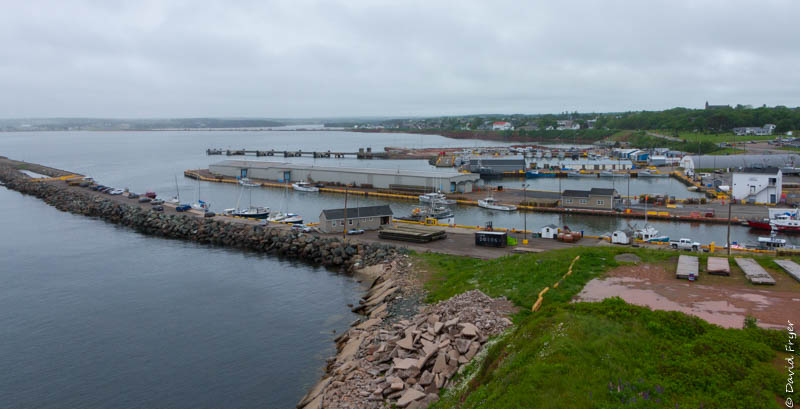
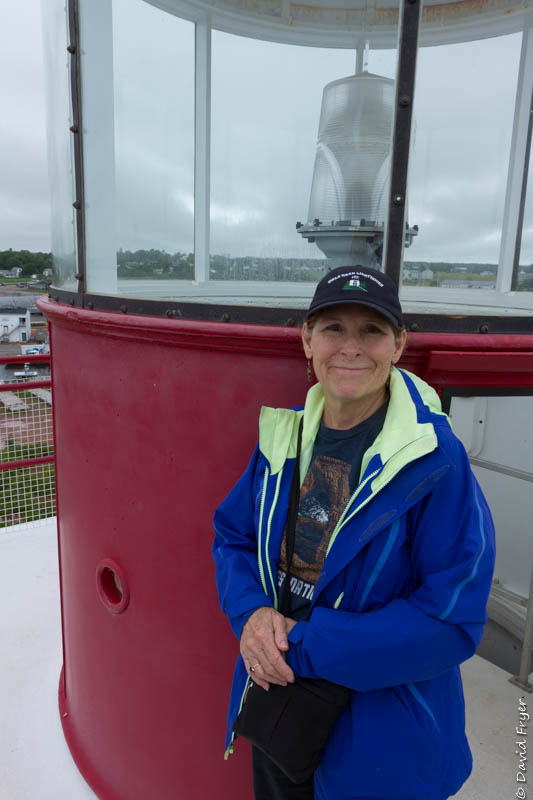
The lighthouse could use a visit from Benjamin Moore. They do allow you to climb to the top and it has several floors that house museum type artifacts. The view from the top shows the expansive waters and the local fishing industry.
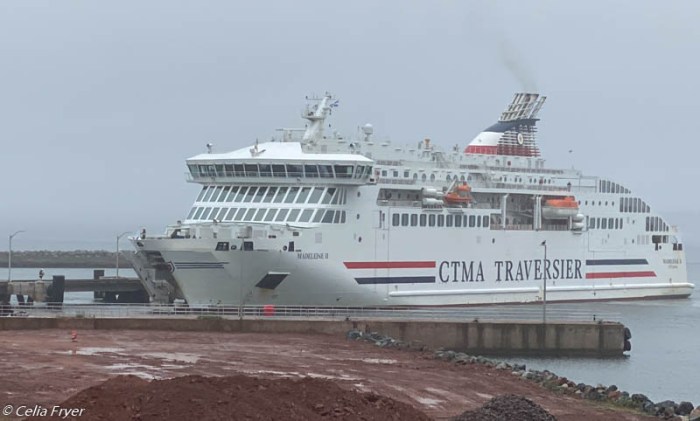
Souris is also a ferry terminal. We were there when a very large ferry docked to take on a group of people, cars, trailers, fifth-wheels, and other vehicles to the Magdalen Islands, a part of Quebec (mind you, we are not really that close to the Canadian French speaking province). The island of mostly French speaking inhabitants, relies on tourism, salt mining, and lobster fishing for its economy. This would be a very interesting visit, but we discovered that to take vehicles to the islands requires reservations far in advance, plus a fare of over $500 to take the Bighorn. It is about a five hour trip. You can put that on your to-do list.
There are many islands in the Atlantic region and we had seen maps that showed islands with the description, “FRANCE,” on it but did not know what it meant since it seemed so out-of-place. It turns out that two islands, Saint-Pierre and Miquelon, near the province of Newfoundland are part of the country of France by treaty. This was news to us and it turns out that they are popular tourist attractions. They have have a time zone different from Newfoundland or Nova Scotia, the currency is the Euro, and the language of course is French. If you a craving a baguette or Bordeaux you could consider a vacation there.
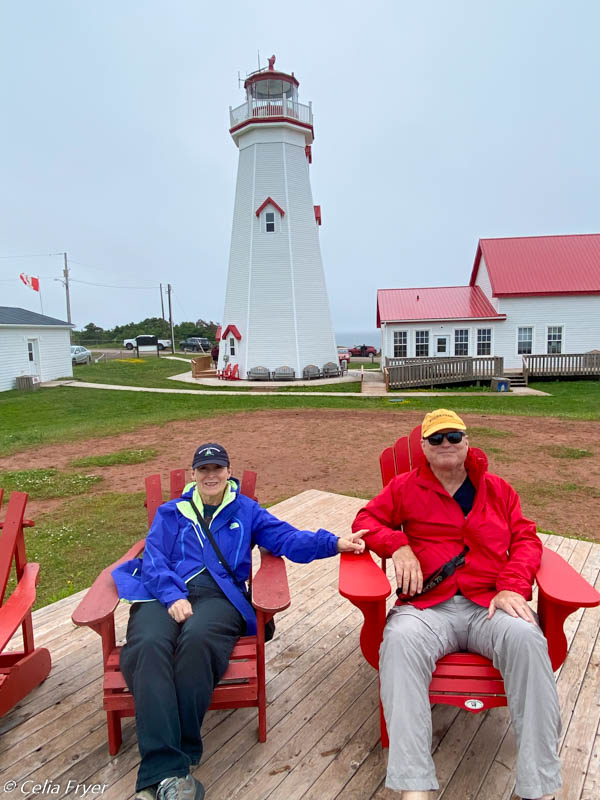
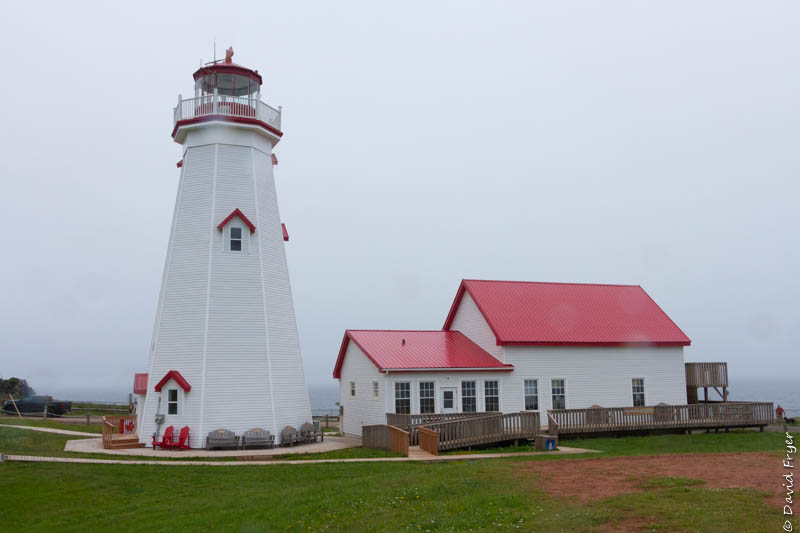
After a lunch stop in Souris, why not check out another lighthouse on this rainy day. We made our way to the East Point Lighthouse on the very eastern tip of the island. This site takes advantage of the popularity of lighthouses and has a gift shop, restaurant, picnic area, and restrooms.
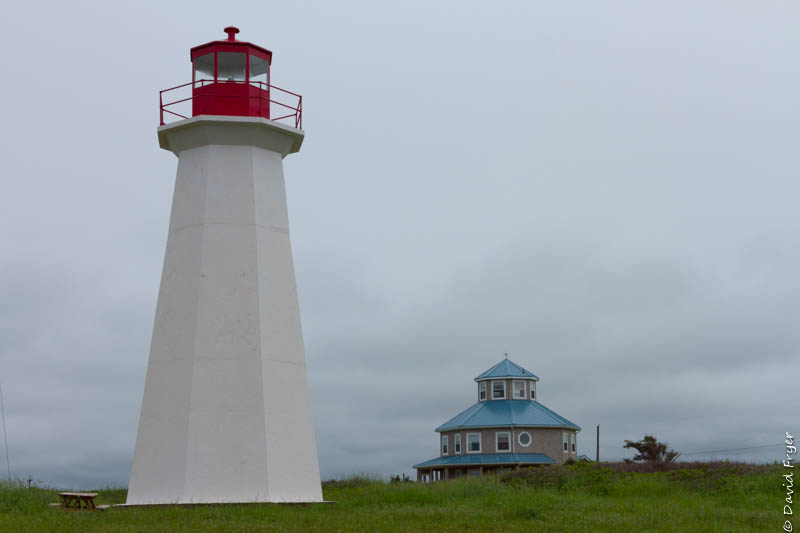
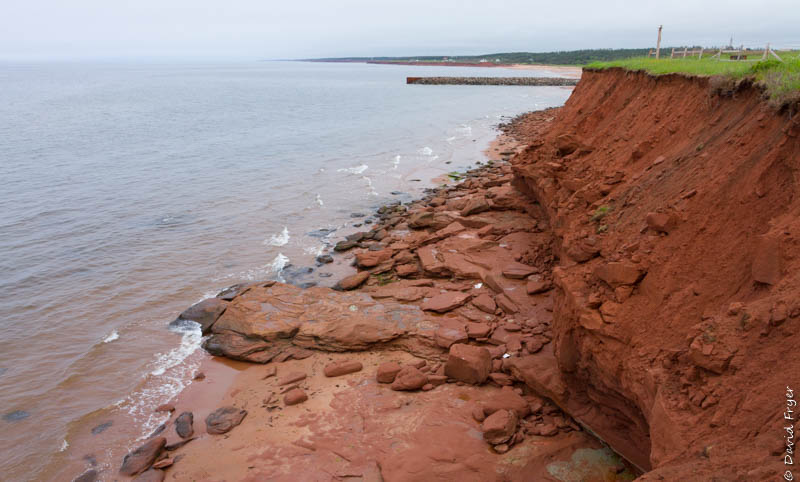
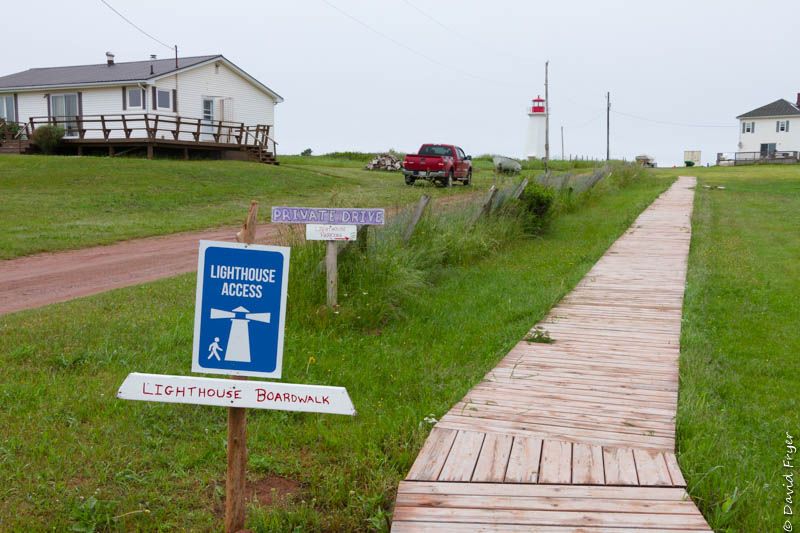
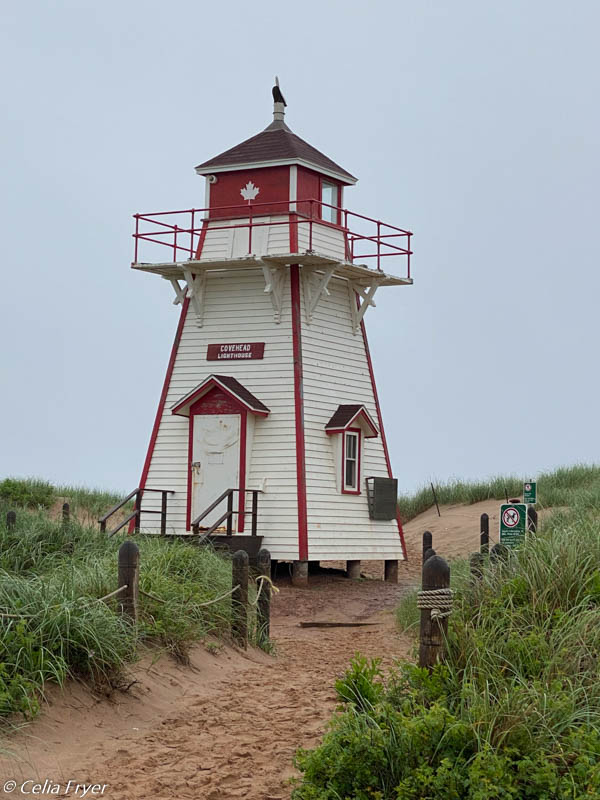
Did I mention that Prince Edward Island has one lighthouse per every 34 square miles? We continued on our eastern island loop tour with a visit to the Shipwreck Point Lighthouse. While not near any sizable town, the locals were kind enough to provide a boardwalk between their houses so we could visit.
It was time to say goodbye to our good friends Paul and Vicki as they headed to explore Newfoundland via an eight-hour ferry from Nova Scotia to Newfoundland. They are having a great visit and that is definitely a bucket list type of trip. They had to make tracks as the ferry leaves from Sydney, Nova Scotia, that is almost 400 KM away from Prince Edward Island.
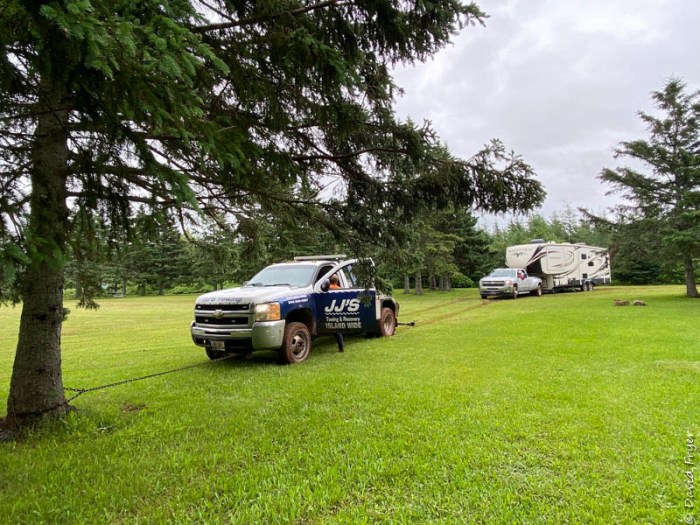
We in turn moved south to the town of Summerside on Prince Edward Island. It was a short drive but I made a decision that ended up making it a long day. It had rained a lot, and the ground was soaked but I mistakenly thought we would be okay traveling on the grass at the provincial campground. I was wrong. Hours later being towed out by a tow truck driver who thankfully would not give up.
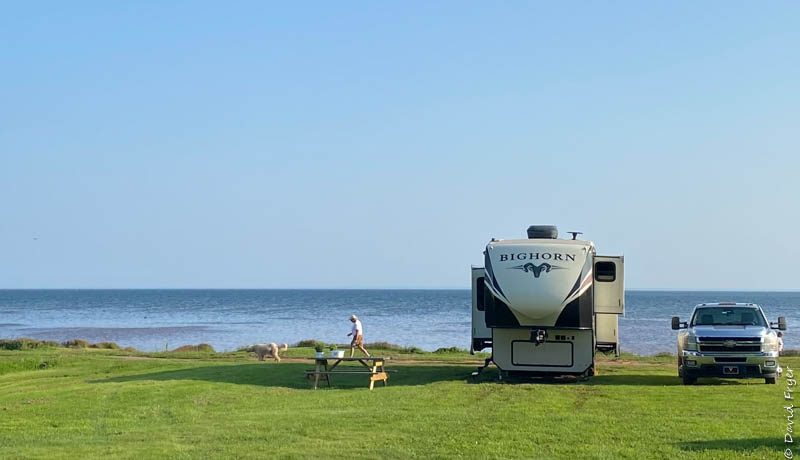
We settled into a spot for a few days. The most amazing campground manager let us park on a spot right on the waters edge. It was truly turning lemons into lemonade, but I was still kicking myself at my mistake.
We have mentioned before that you make a lot of new friends full-timing and you meet up with them along the way. This trip was no exception. Friends that we met in Alaska on our trip several years ago, let us know that they were going to be in Prince Edward Island the same time as we were. What are the odds? We were able to catch up with them during the days we were in Summerside.
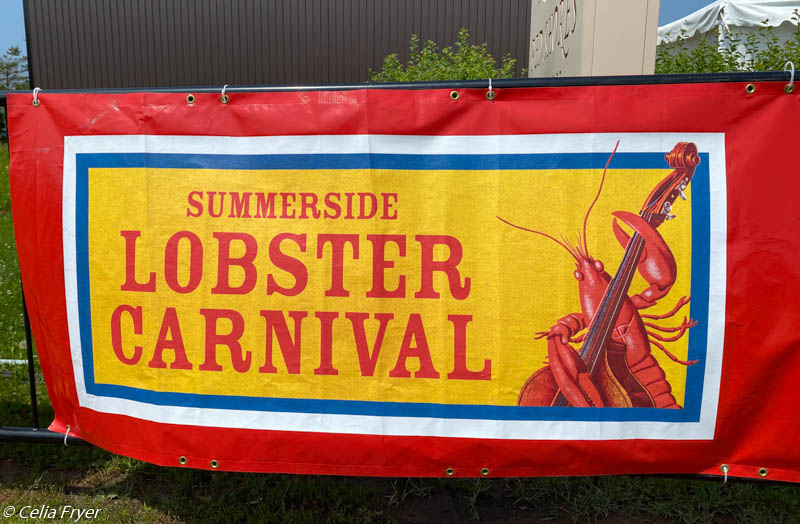
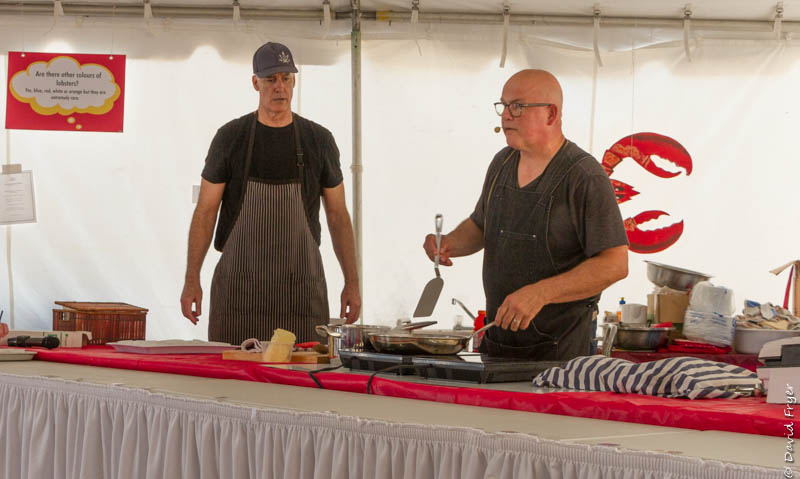
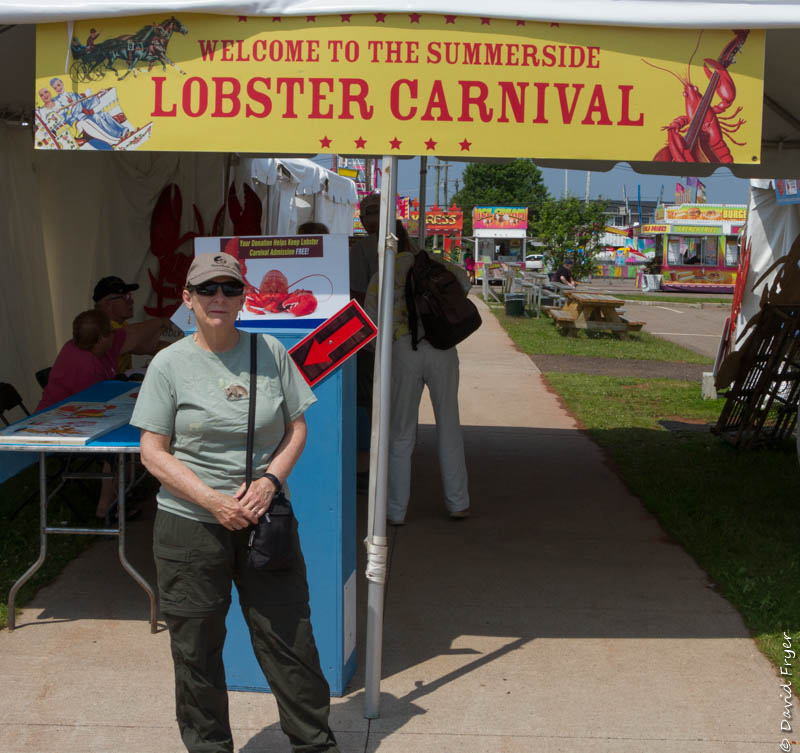
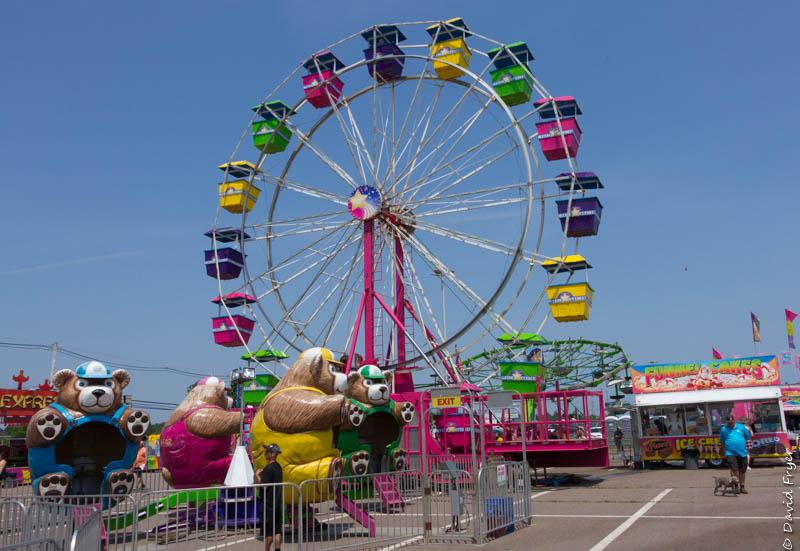
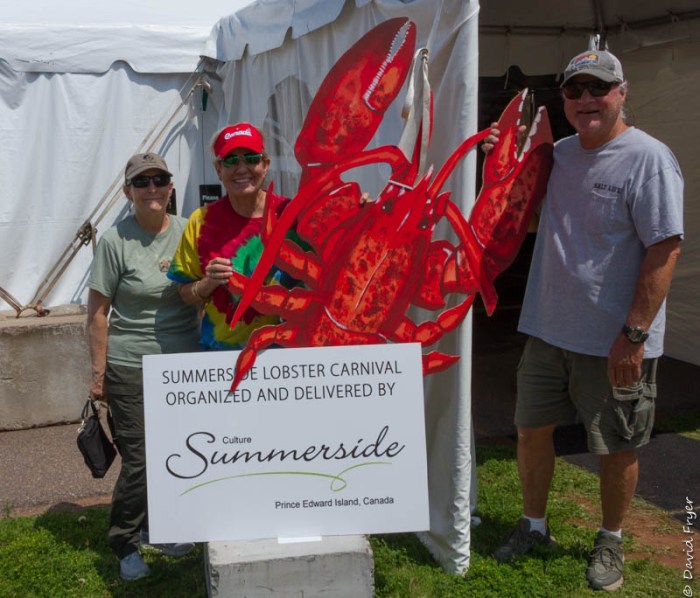
While we were there, the town of Summerside had their local parade and lobster festival. We checked out the festival but it was mainly rides and music for the kids or at least the “kid-at-heart.” We did check out the cooking demonstration (all things lobster) and when they found out we were from the States and traveled by RV we became new friends.
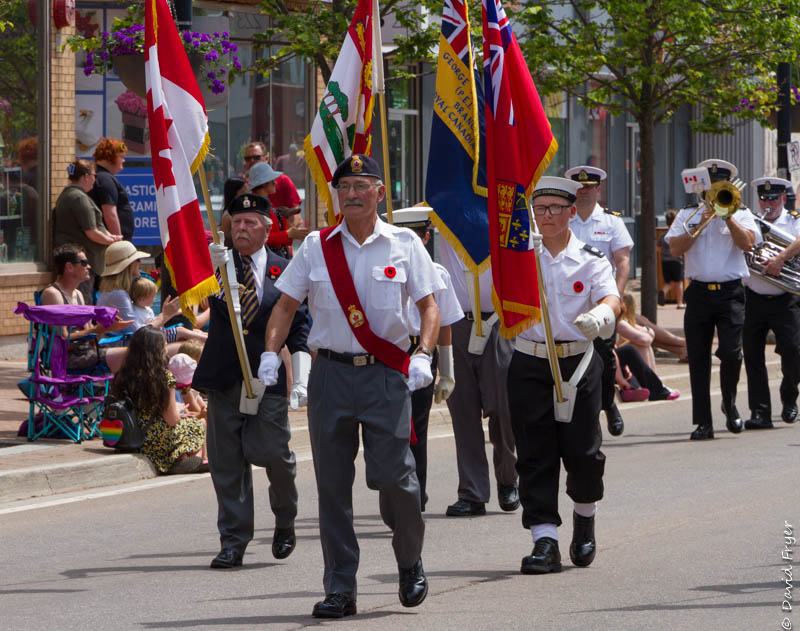
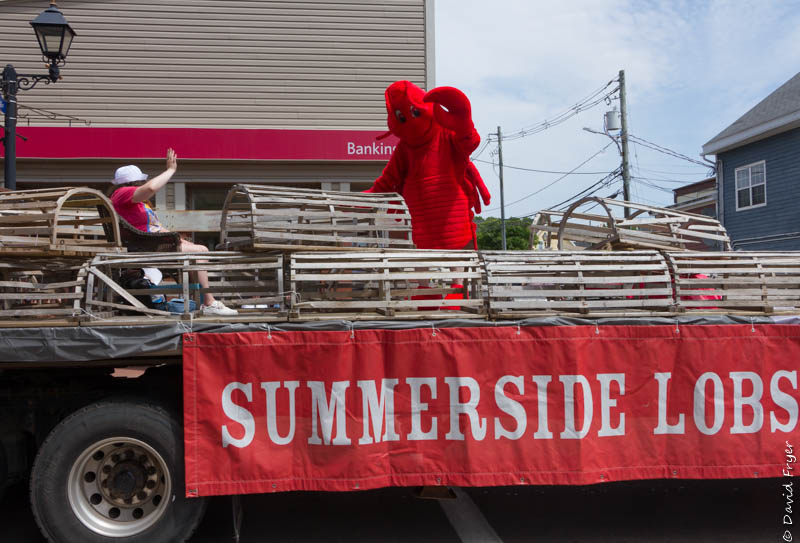
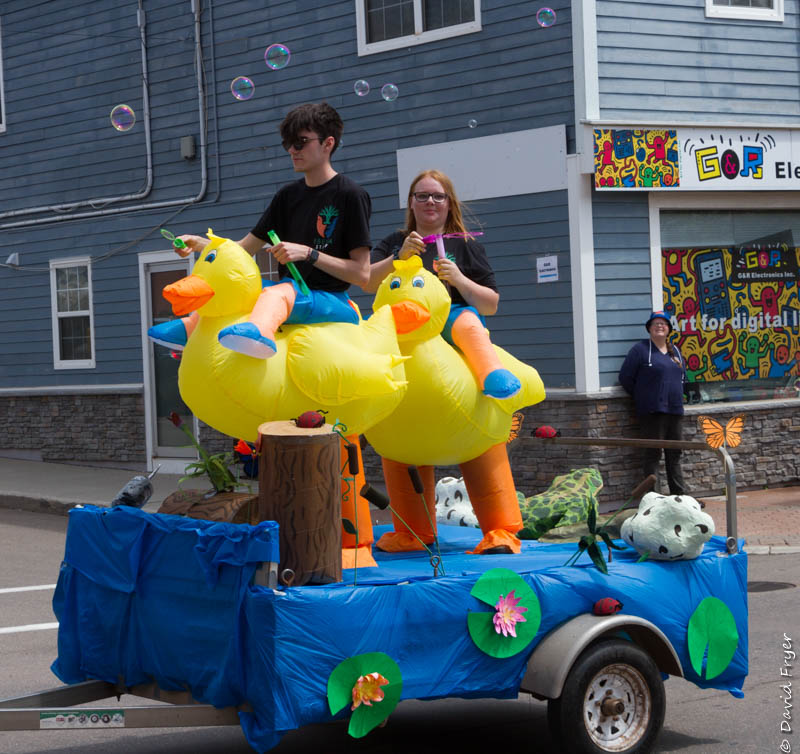
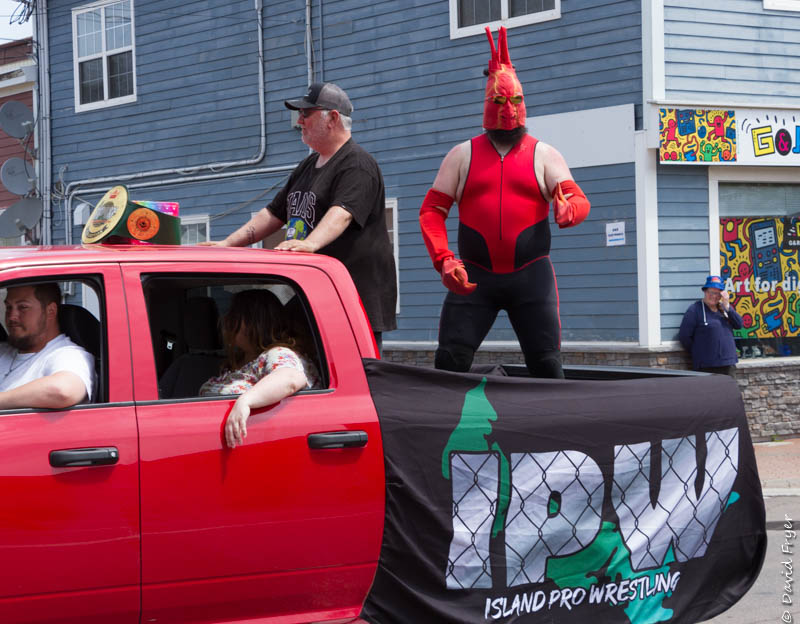
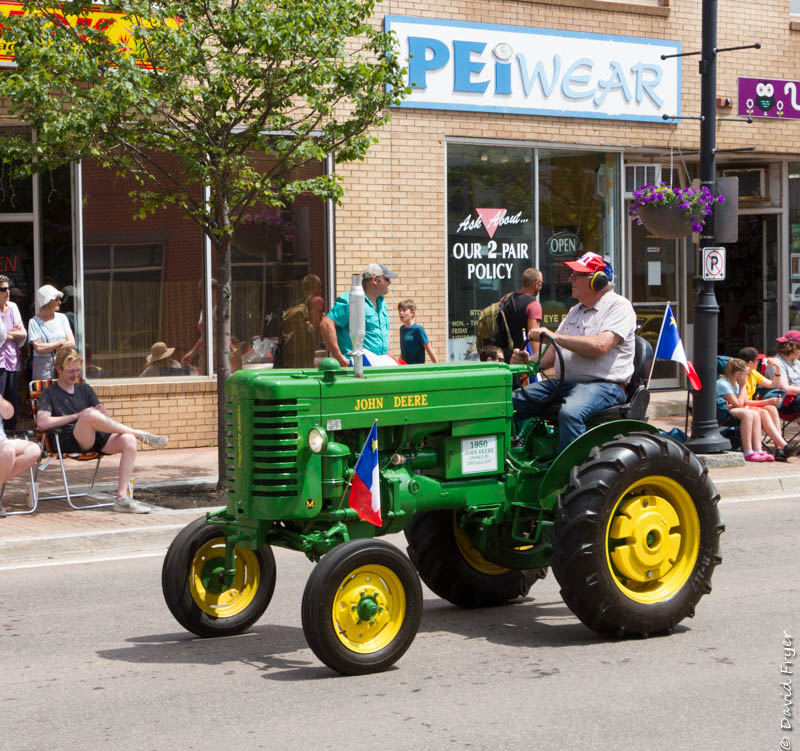
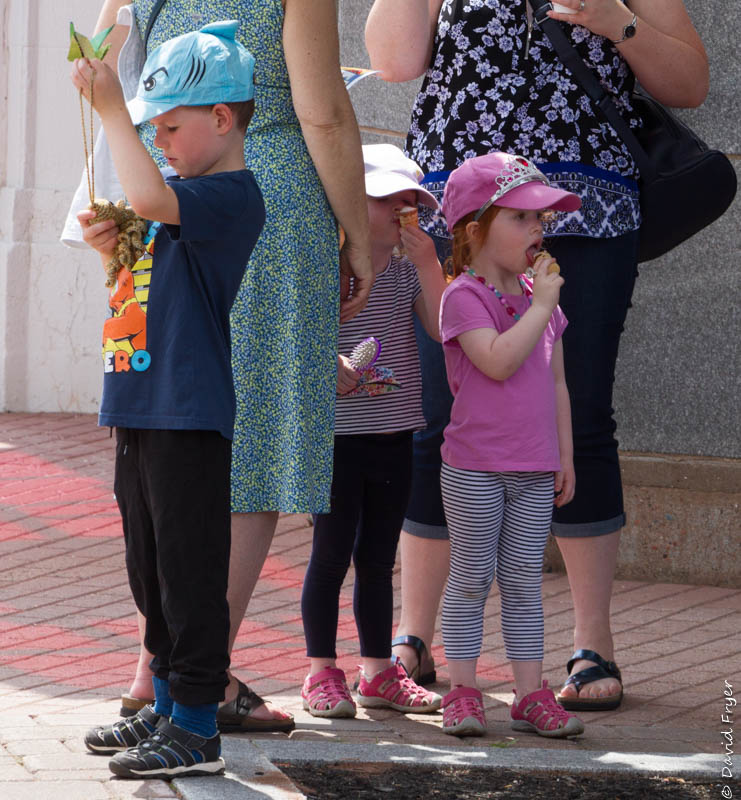
The parade was downtown and had many of the local community organizations and businesses represented.
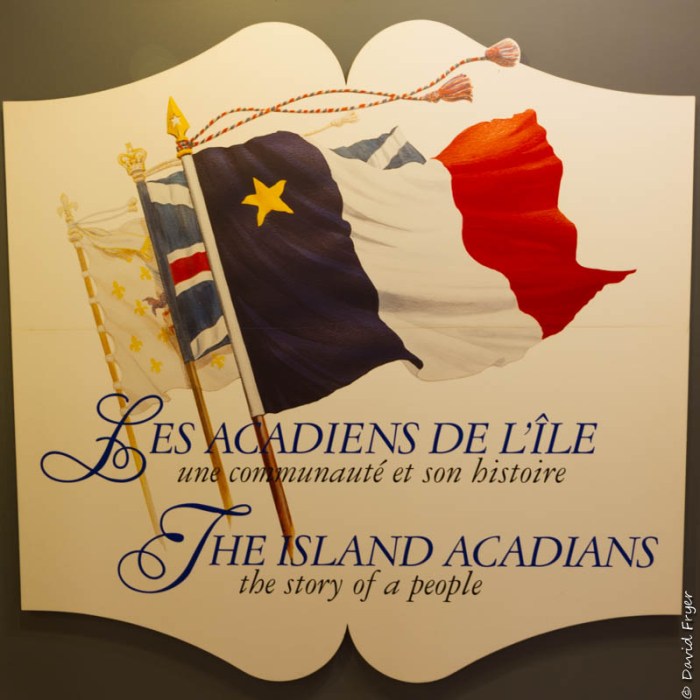
One of the places I wanted to visit was the Acadian Museum near Summerside. I vaguely remembered that when the Acadians were forced out of the Maritimes that some went to Louisiana and became the Cajuns. I still really did not understand the history.
The Acadian Museum is focused mainly on the Acadians in Prince Edward Island. I was hoping for a broader geographic history but this museum was very informative nonetheless.
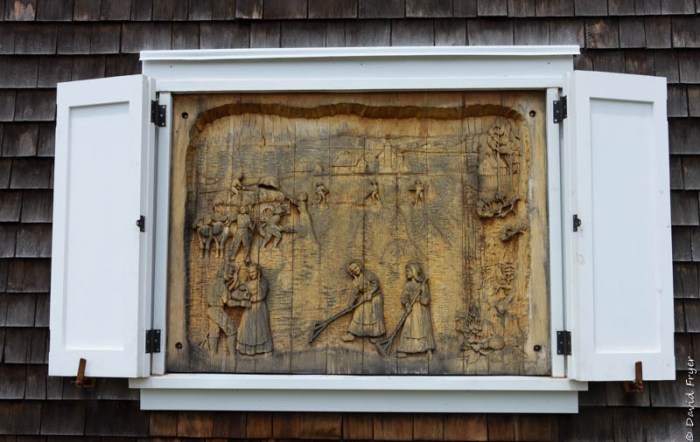
The entrance walls contain numerous wooden tableaux such as this one.
In 1534, Frenchman Jacques Cartier, was the first European to see the island, thinking it was the mainland. Later in 1604 the Maritimes, including Prince Edward Island, was established as the colony of Acadia.
As we discussed in our blog post on the Fort of Louisburg, fishing was the main draw for settlers. Cod fish that could be dried was a vital export to France. The Catholic nation had 166 days a year that meat was not eaten, creating a demand for dried fish.
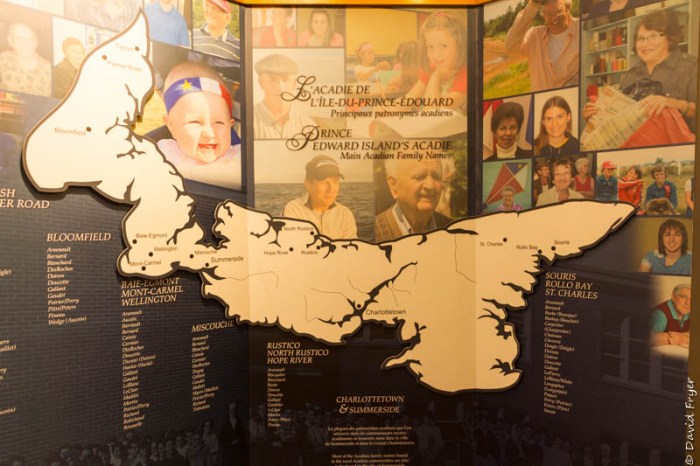
The population of Prince Edward Island remained small until 1749. The conflicts with the British in Nova Scotia started an exodus to the island. Within four years, the population went from 735 to 2,223 inhabitants and even more came when the British deportation commenced on the mainland in 1755.
After the fall of the Fort of Louisburg, the British began expelling the Acadians from the island. Almost half died during this time, many on ships headed for France.
Today, the Acadians that now live on Prince Edward Island, are seeking to preserve their culture and heritage. The Canadian Supreme Court in 2000 ruled that Francophones in minority situations have access to French language schools. There are now six French language schools on the island.
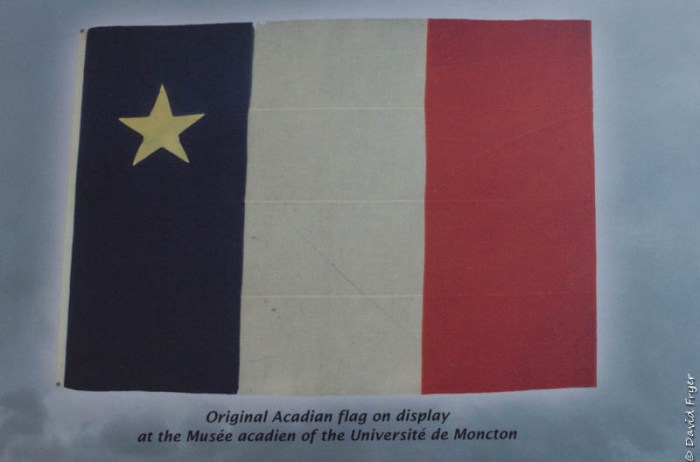
The island Acadians are proud of their heritage represented by their flag and language.
When driving around the island, you will never know what you might stumble into, whether it be a religious order capitalizing on the thousands of PEI potatoes or an auto body shop with a skeleton crew.


Next we head back through New Brunswick as we move west and also make a stop in Quebec City.

 Piddlin' Around
Sounds like a great trip! We plan to make an East Coast run…
Plan a trip through Louisiana and JoAnn will fill you in on her Cajun history.
LikeLiked by 1 person
Great. You really do need to put Newfoundland on your list.
Randy
>
LikeLiked by 1 person
Agreed!
LikeLike
That hearse was just plain disturbing! Thanks for sharing your pictures of NS and environs. I really want to visit all of the places you two have been.
LikeLiked by 1 person
Your right! Don’t see skeletons advertising auto parts everyday. You should add the Maritimes to your list!
LikeLike
It was sure hard parting from you guys after 6 weeks together! Definitely plan more time when you do Newfoundland. The 10 weeks we have here won’t even be enough!
LikeLiked by 1 person
Missing you two as well. Looks like you are having a great time. I guess there is never enough time!
LikeLike