
It has been over a year since we have posted a blog, but that doesn’t mean we haven’t been busy. The last time we wrote we were stuck in Rochester, NY after a wonderful visit to Quebec City, Canada.

We ended up with a hydraulic failure on one of the slide-outs and could not find anyone willing to repair it. Since the slides would extend while we traveled down the highway, duct tape wasn’t going to work. We ended up getting some parts and repairing it ourselves. What a greasy mess!
The silver-lining was that during our eight day stay we made some wonderful friends at the Rochester Elks Lodge.
We are planning to post some blogs about our adventures this past year to Alaska, Hawaii, San Diego, and other places, but for now we are on the road again in the Bighorn!
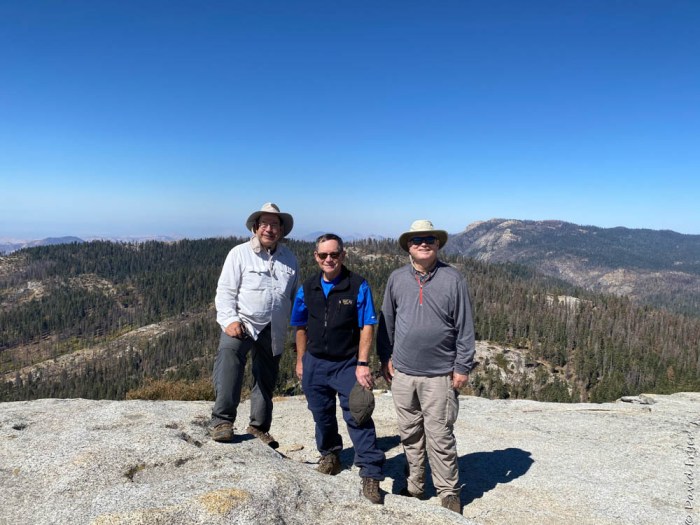
I was fortunate to visit Kings Canyon and Sequoia National Parks with best friends this September. It was such a fun trip that I told Celia that we should head that way upon leaving Portland, Oregon on the way to winter in Tampa, Florida.
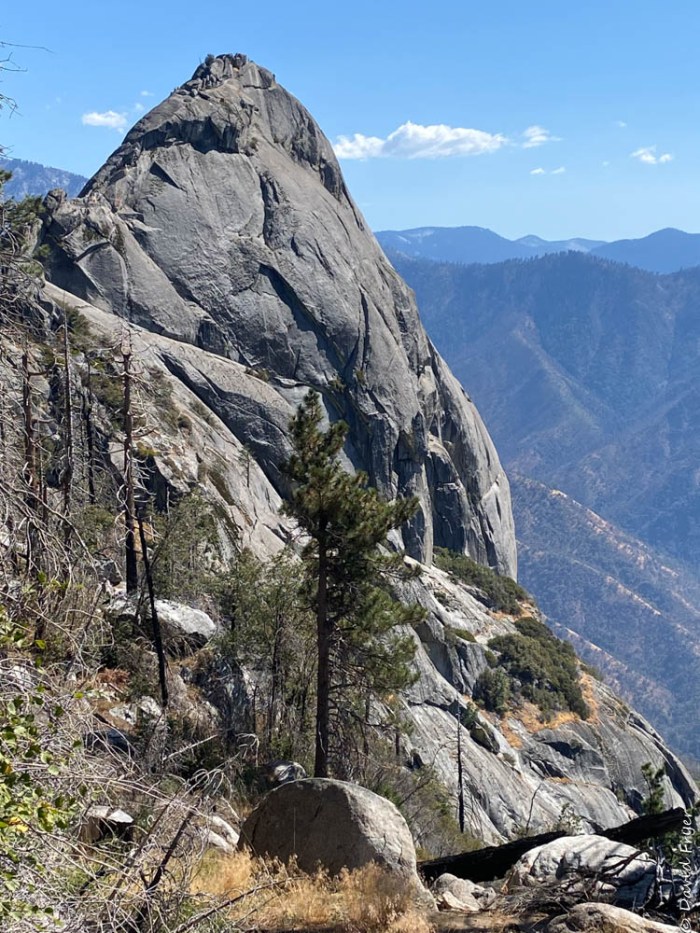
It would be easy to think that these two parks are mainly for seeing the giant sequoia trees, the largest by volume in the world, but there are beautiful vistas and canyons as well. Not only that, Mt. Whitney, the tallest mountain in the lower 48 of the continental US is located in Sequoia National Park.
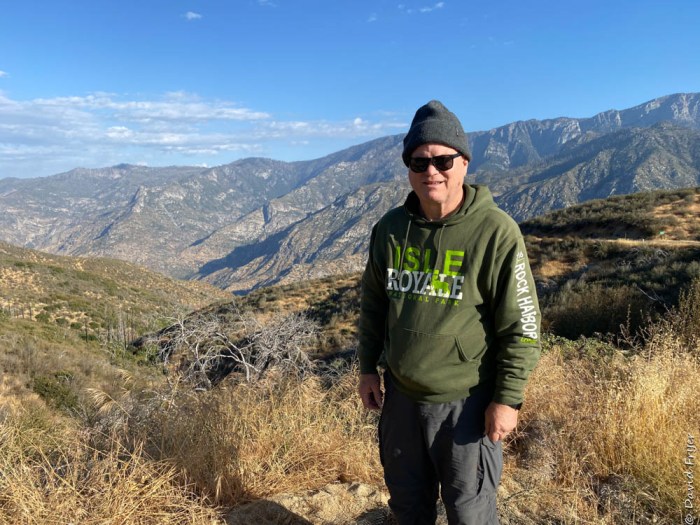
East of the park, in towns like Merced and Fresno, California the high temperatures have been above normal with consistent daily readings of 100 degrees Fahrenheit. Fortunately, much of these parks are above the 7000 foot elevation level and are much cooler than the surrounding areas. In fact, it is so much colder that many of the services close in mid-October, even though the park itself never closes.
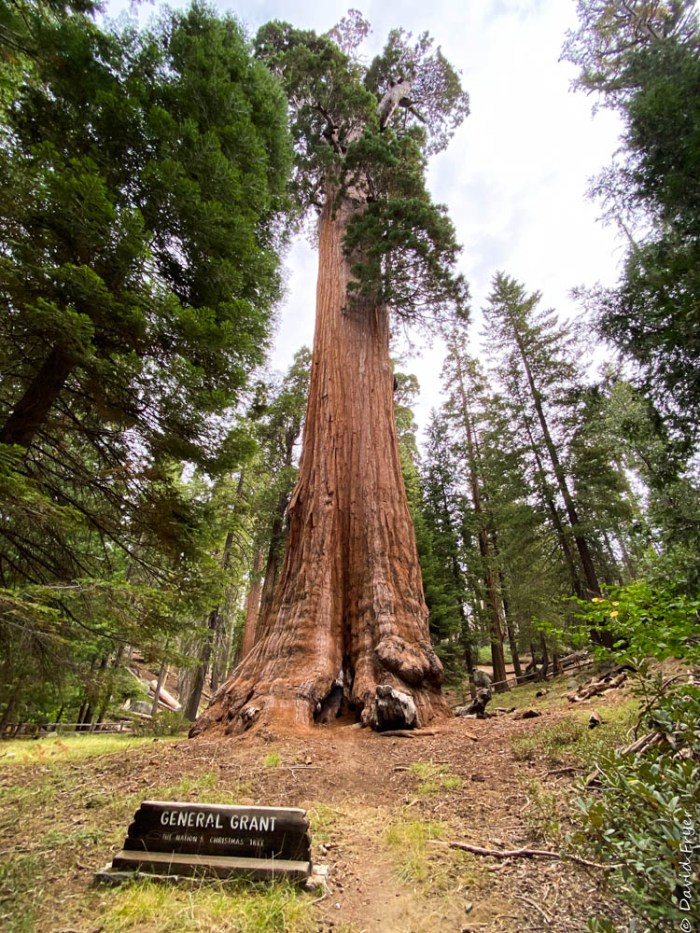
From Fresno, California the first location that we visited was the Grant Grove area of Kings Canyon NP. There is a visitor center, lodge, store, post office etc. at this location. It is also convenient to the General Grant sequoia grove. Here you will find an easy paved walking loop that weaves through a forest of sequoias. The star of the show is the General Grant tree which is now the second largest tree by volume in the world.
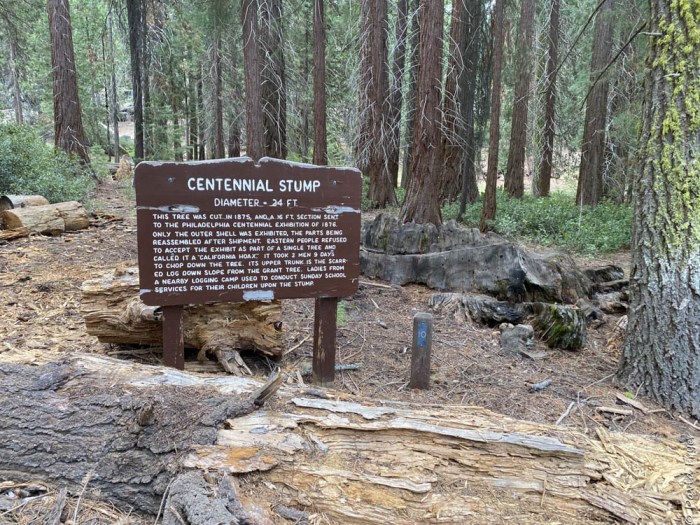
This walk also goes by the Centennial tree stump. The trees are so large and awe-inspiring that when sections were sent to the East Coast, people considered the displays to be a hoax.
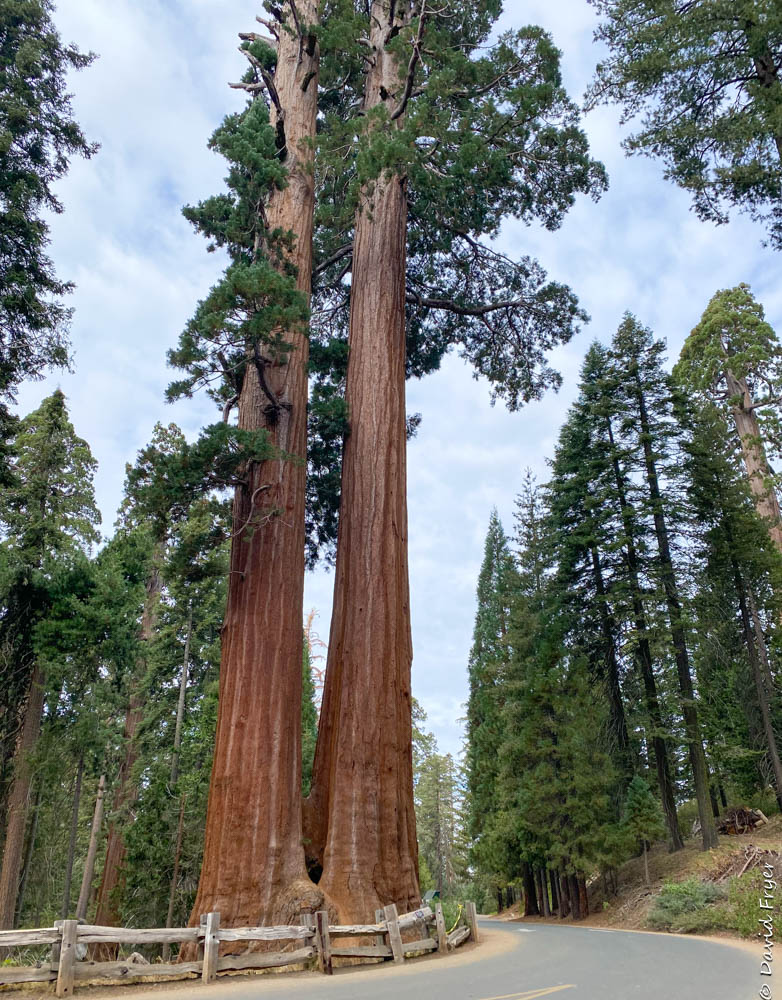
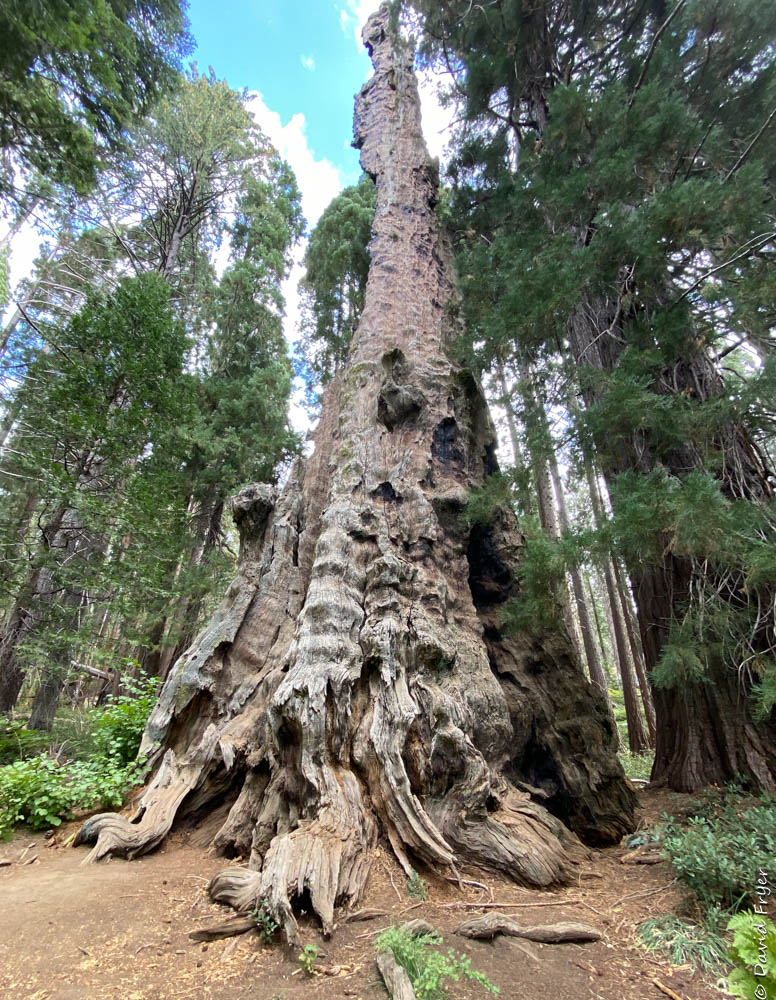
Even the trees adjacent to the parking area are so impressive. It really is difficult to comprehend that such large living organisms can be 2000-3000 years old.
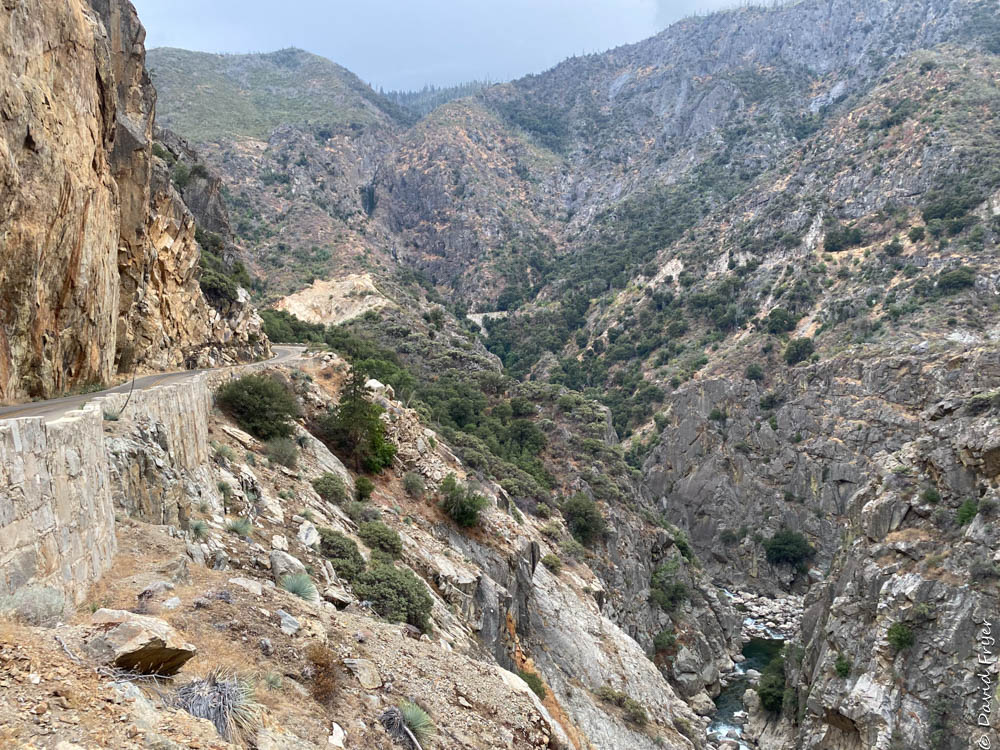
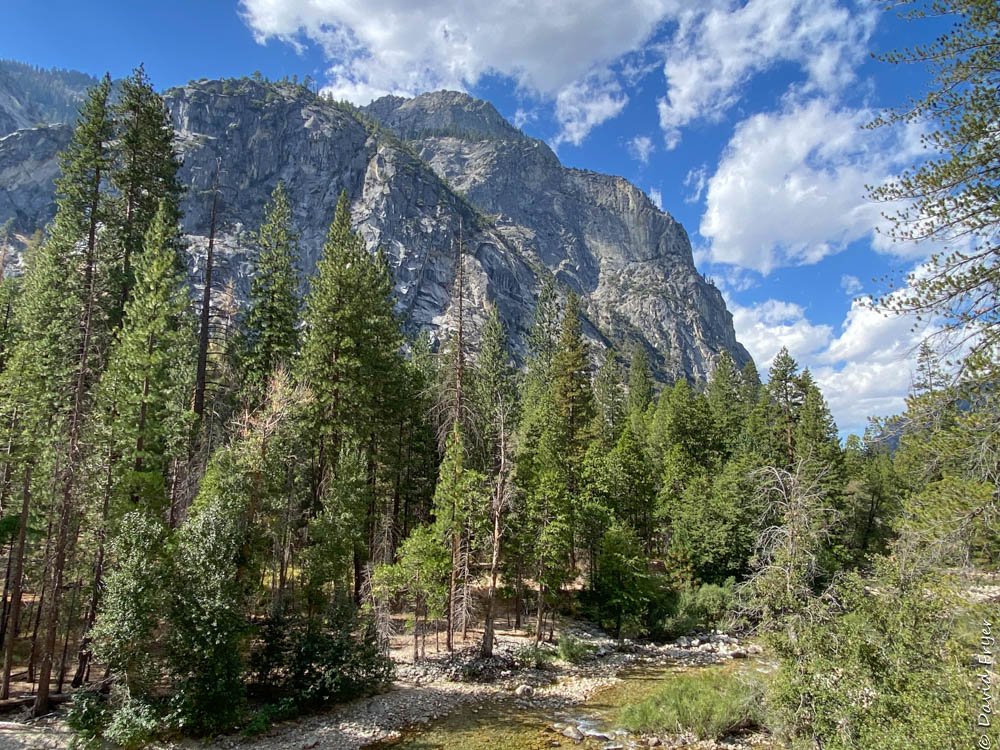
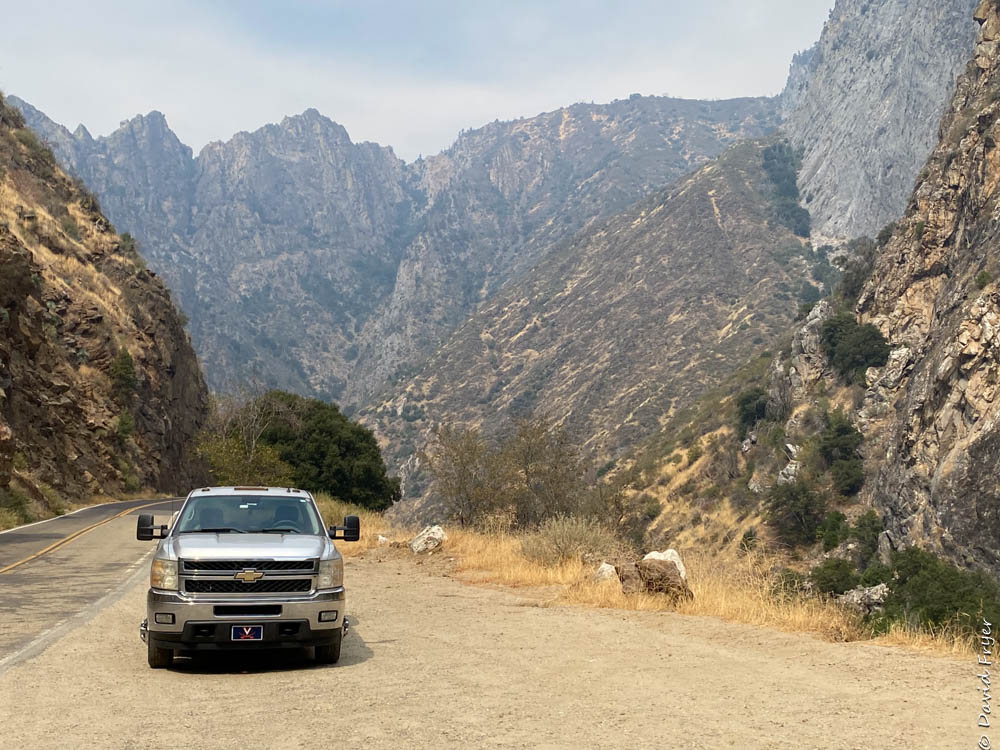
Many folks miss visiting the canyon of the Kings River, but we would recommend the trip. It turned out to be one of my favorite parts of the park.
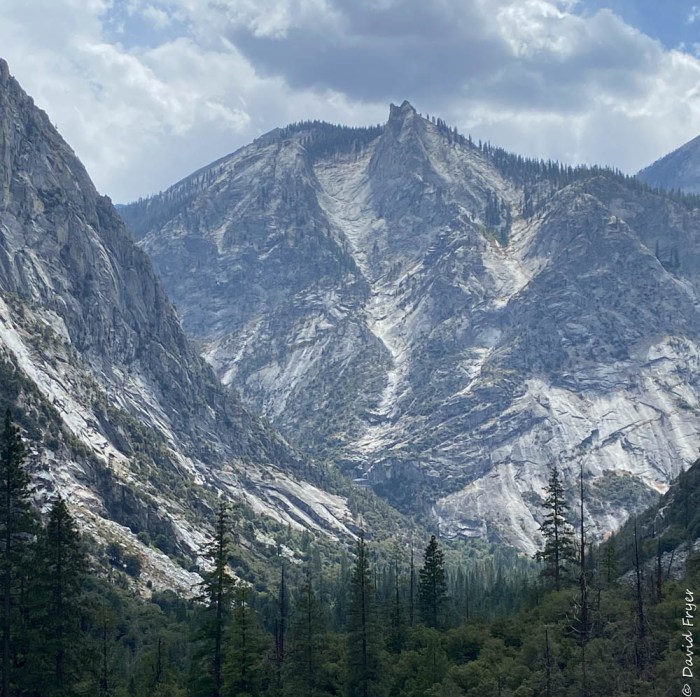
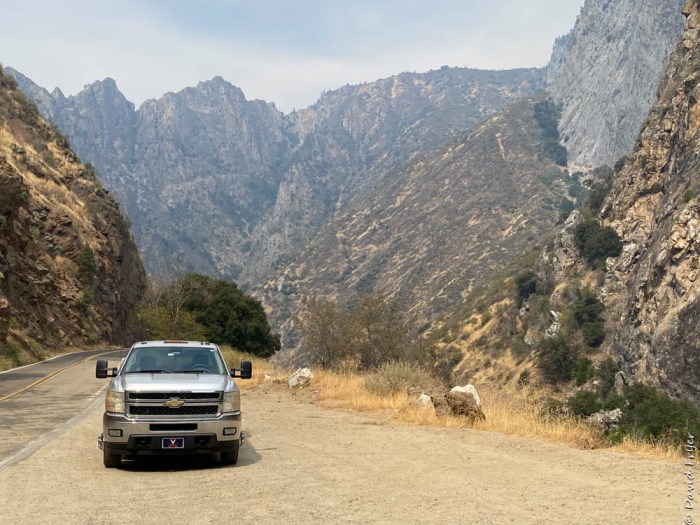
The drive into the canyon is spectacular and the reward at the river level are beautiful waterfalls. This is the driest time of the year. We could not imagine the volume of water that must be there during the Spring with all the snow melt from the Sierras.
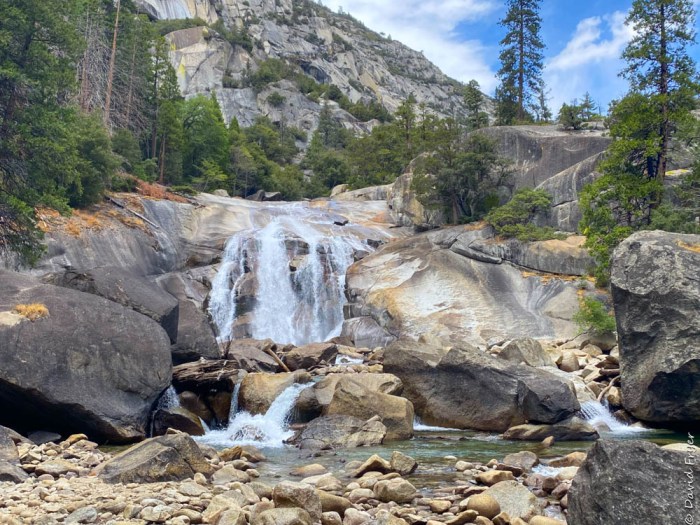
The reward for a nine-mile hike is the impressive Mist Falls. This popular hike begins at the end of the road, aptly named “Roads End”.
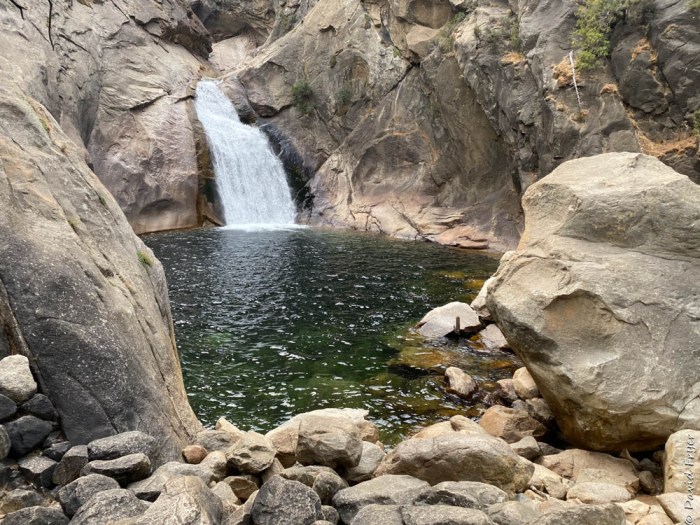
The Roaring River Falls is beautiful and encases its own rock cistern. This viewpoint is near the road and is very accessible.
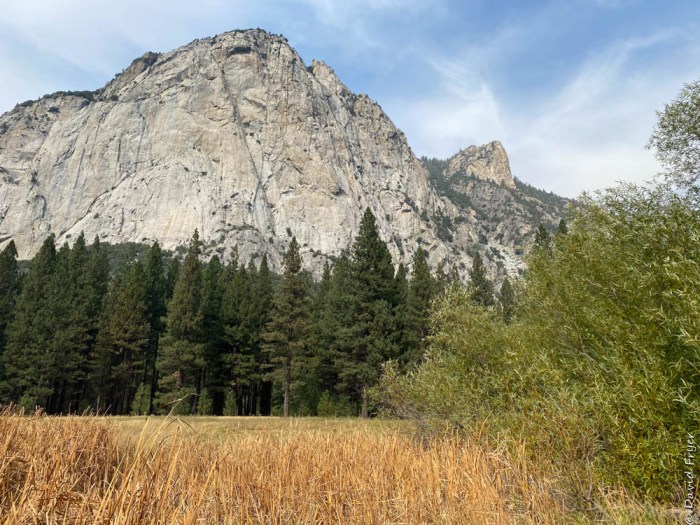
Not far from the falls is the Zumwalt Meadows. This region has few meadows and the canyon views from the hike are very nice.
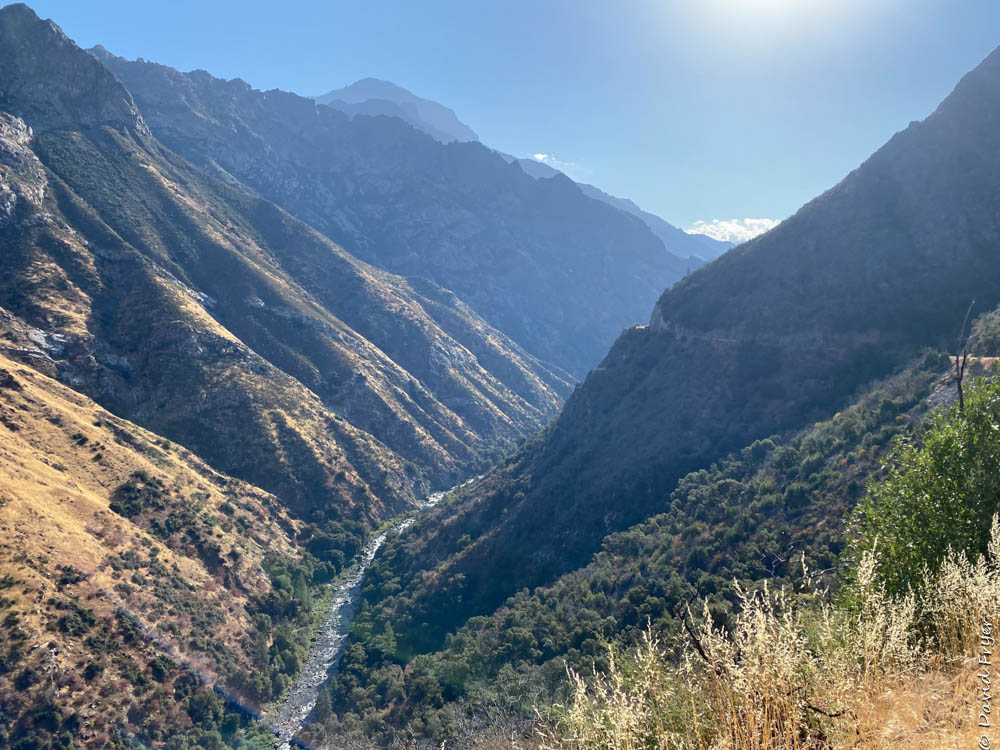
There are, of course, two national parks here. They are separated by national forest land which also has lodges and other facilities. The national forest area also has the only fuel stations in the region. The are no stations in the national park boundaries here.
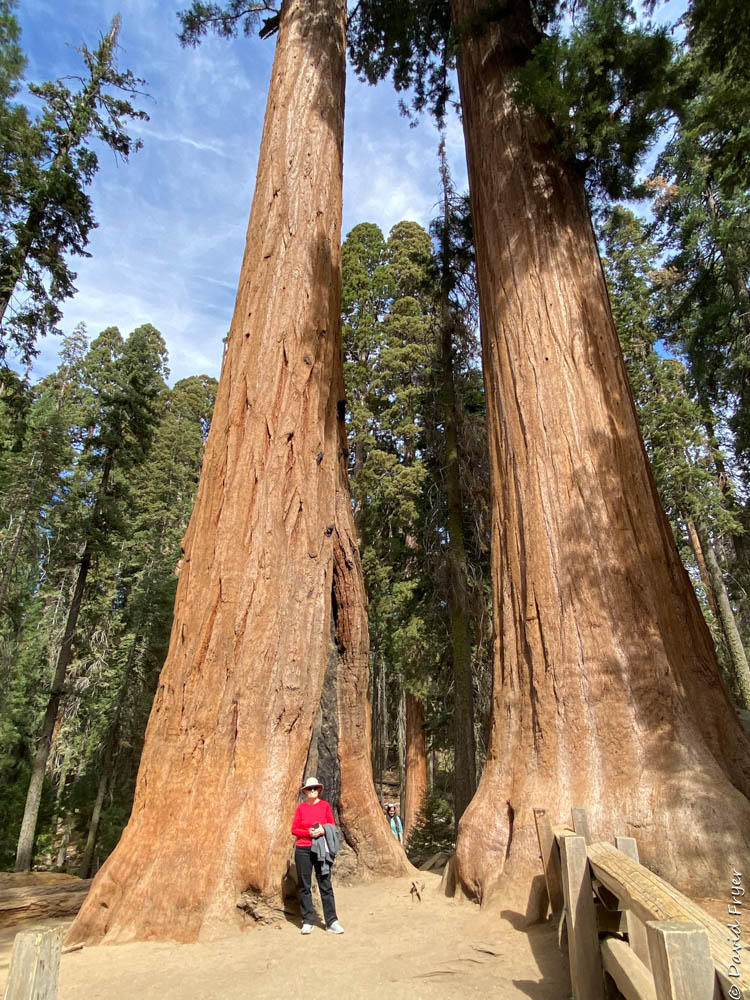
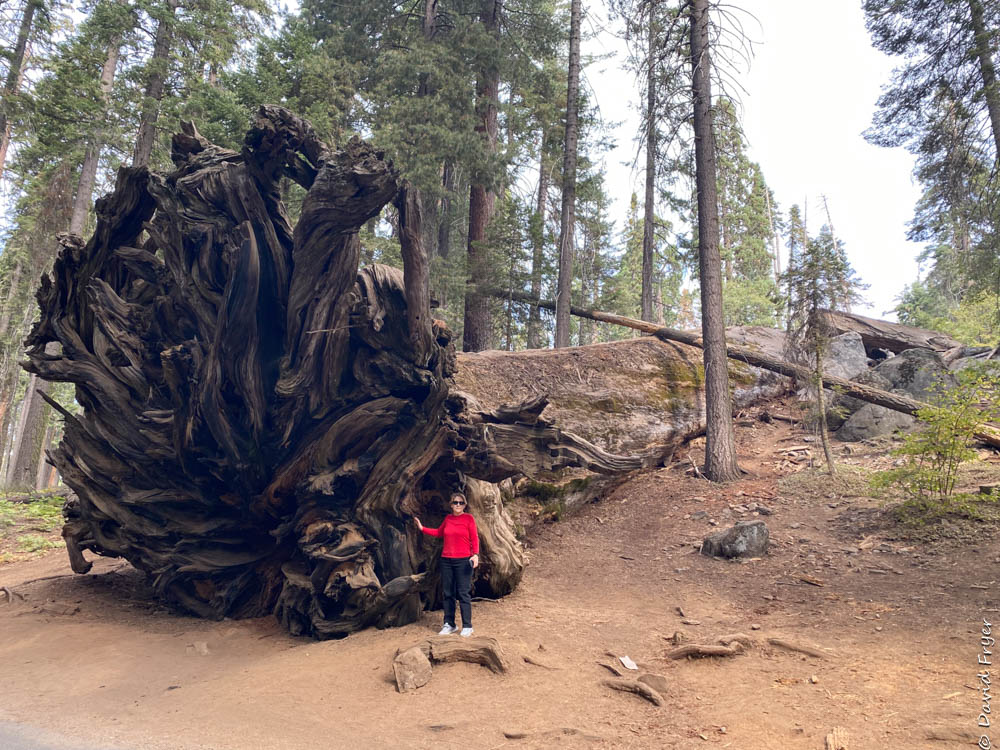
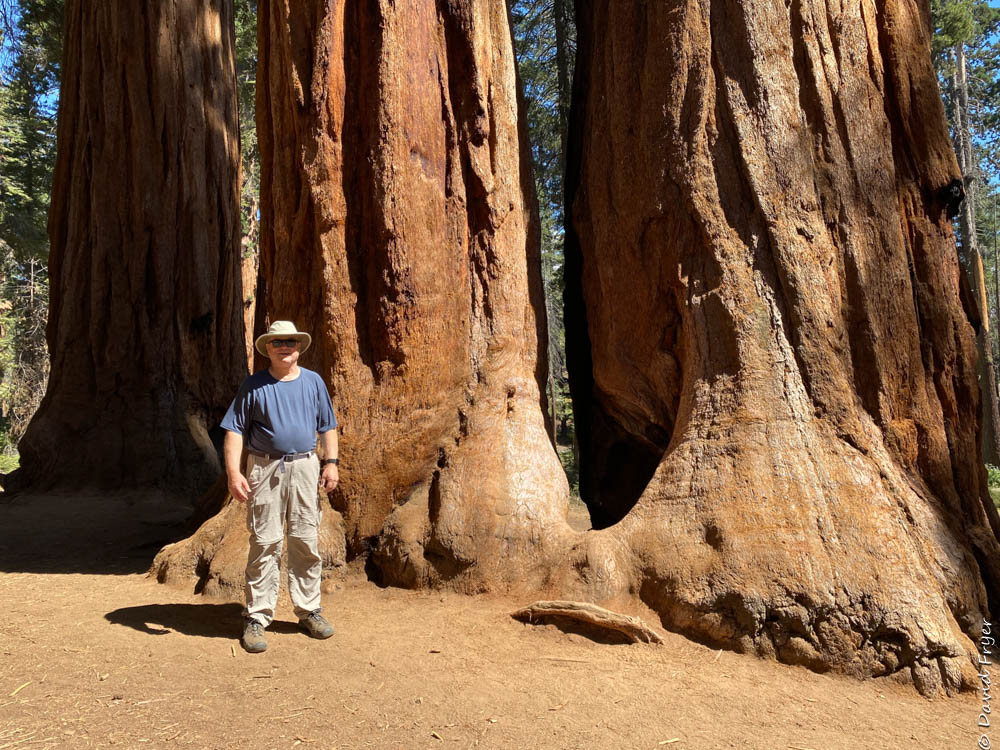
Traveling southward from Kings Canyon is the Sequoia National Park. It is the second oldest national park in the United States. The Sequoia tree has a very limited growing range. It depends on certain elevations, water needs, forest fires, and even sloping land to grow. They are so rare that it became apparent early on that the giant Sequoia trees needed to be protected.
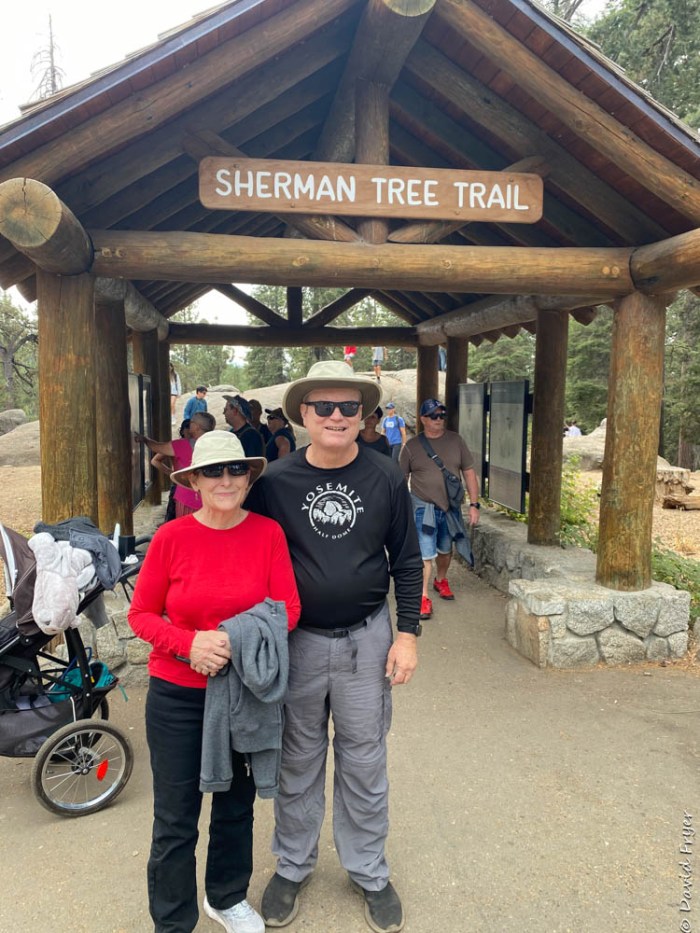
The most popular area in Sequoia National Park, by far is the General Sherman Tree area. The three large parking lots were amazingly full with hundreds of people making the trek to see the worlds largest tree by volume.
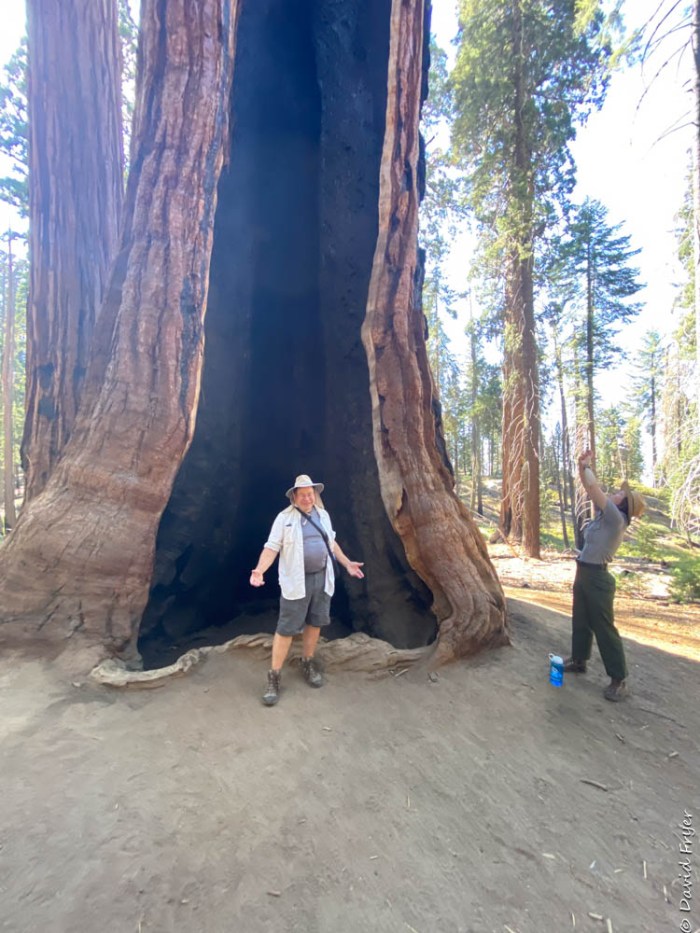
There are countless number of Sequoia trees in this Giant Forest area and because they are hundreds, even thousands of years old, they have seen their share of fires. Fortunately they are well adapted to surviving fires but they frequently show their scars.
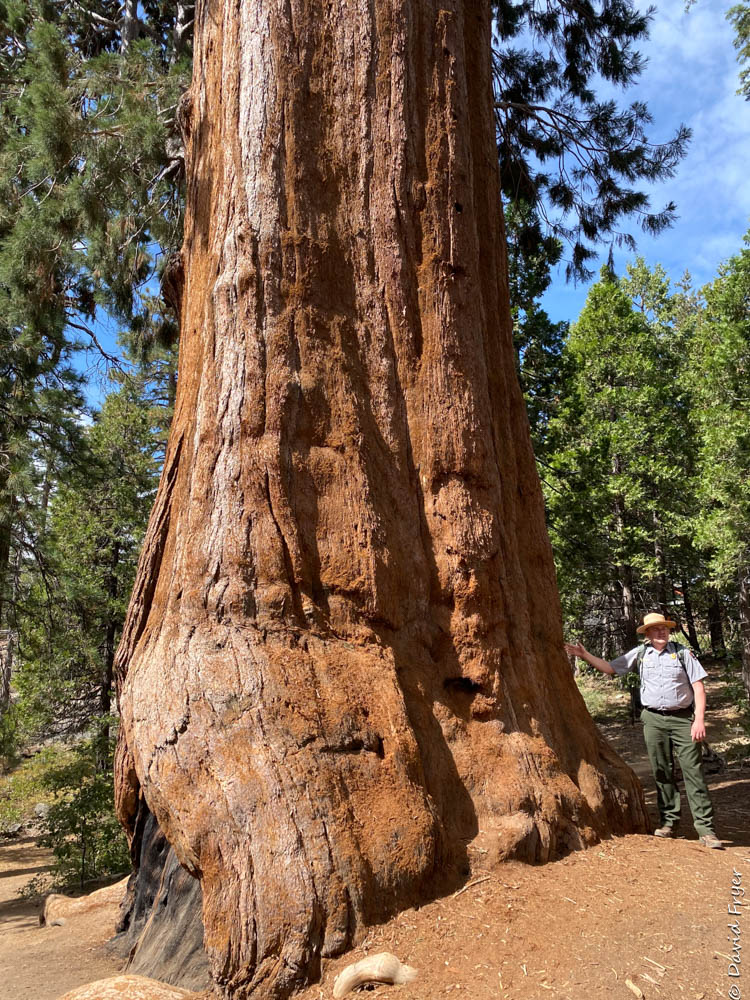
There are plenty of trails in the area to be able to see the Sequoias and there are also National Park Ranger led walks as well. One of the most interesting facts that we learned is even though the trees are huge they are not suitable for constructing buildings, etc. In fact, when the large Sequoias are felled, they typically splinter into hundreds of pieces. The most common use for Sequoias was to use them as fence posts and pencils!
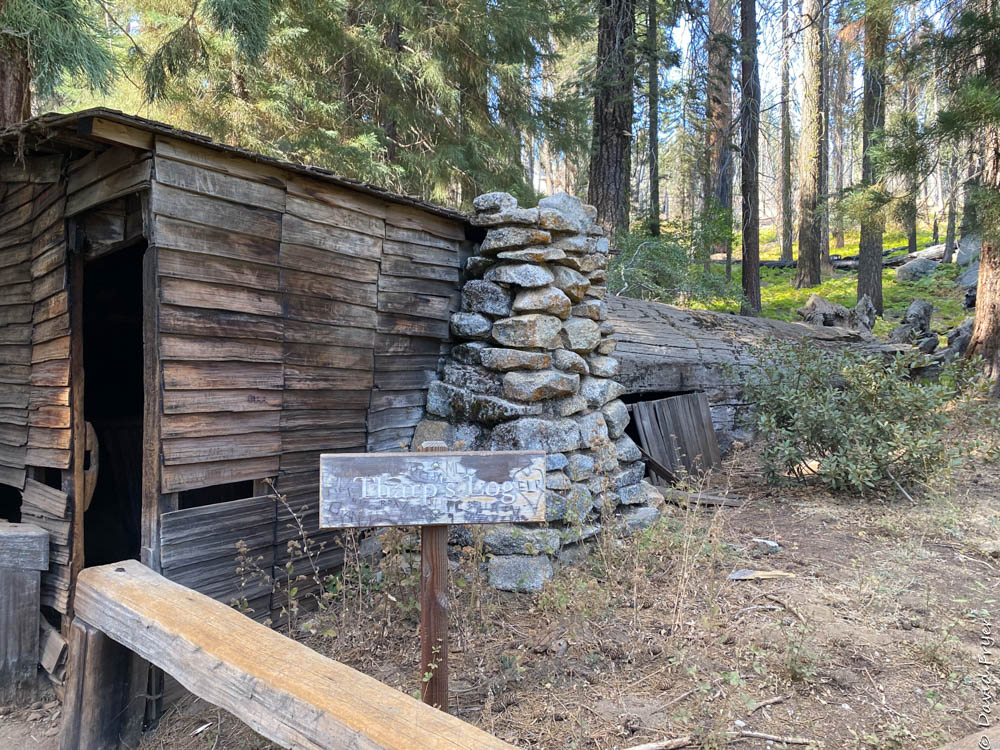
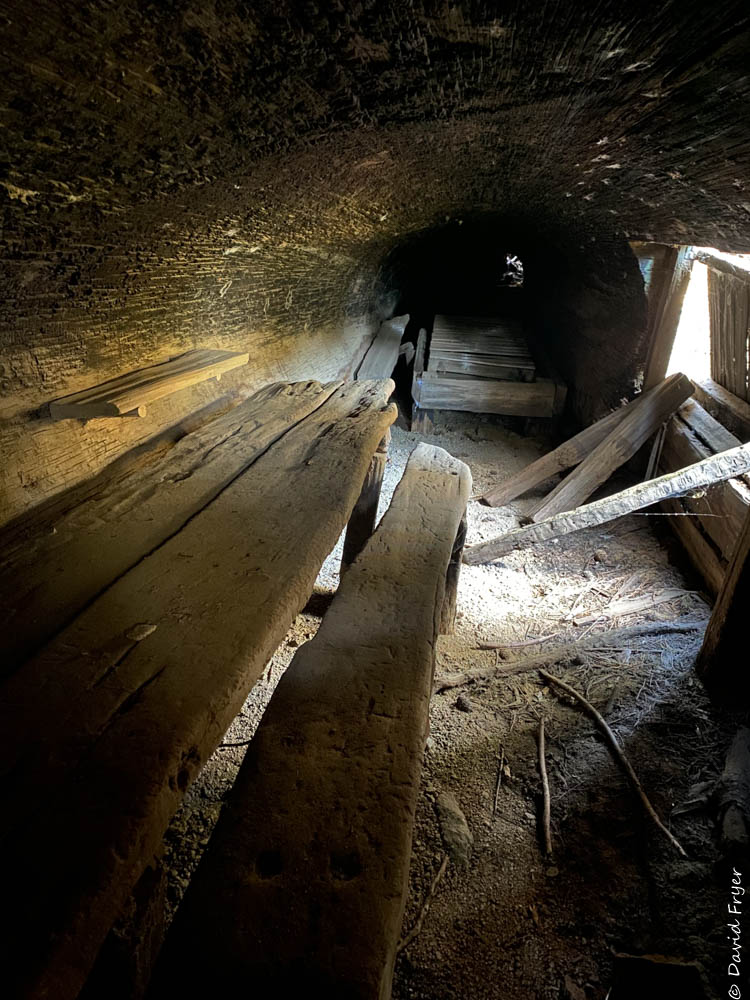
The Sequoias are so large it is difficult to comprehend. So large that one man was able to build a cabin within a downed Sequoia. The log is named after the builder and there is a hike to view Tharps Log.
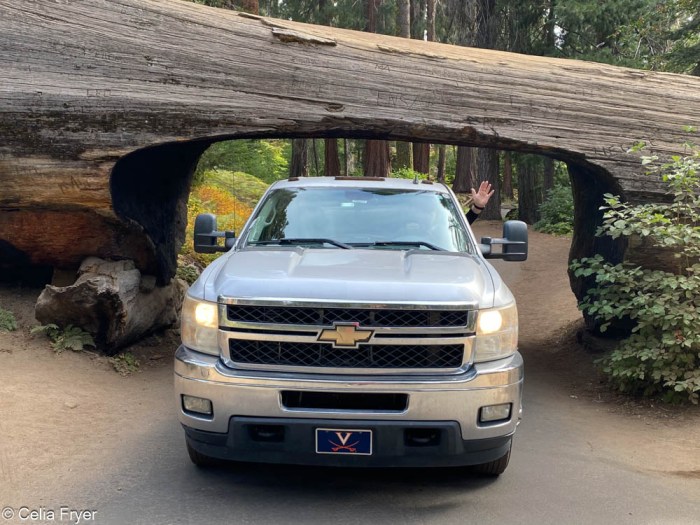
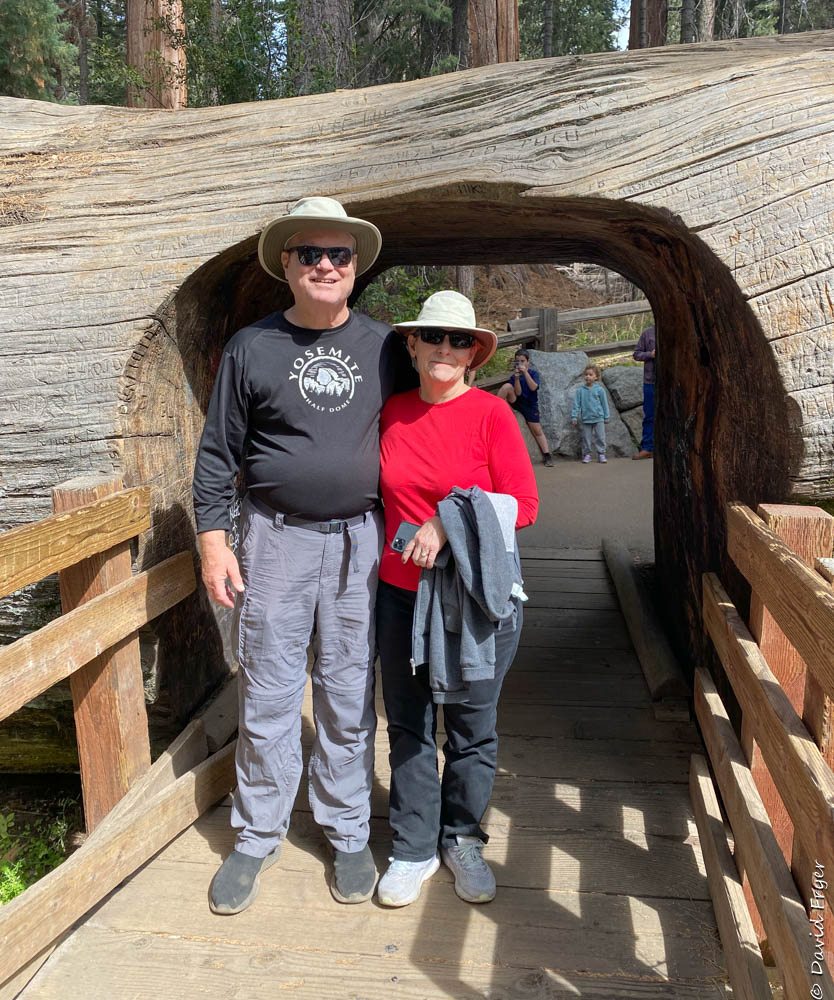
Another place to grasp the size of these trees is to drive through the “tunnel log”.
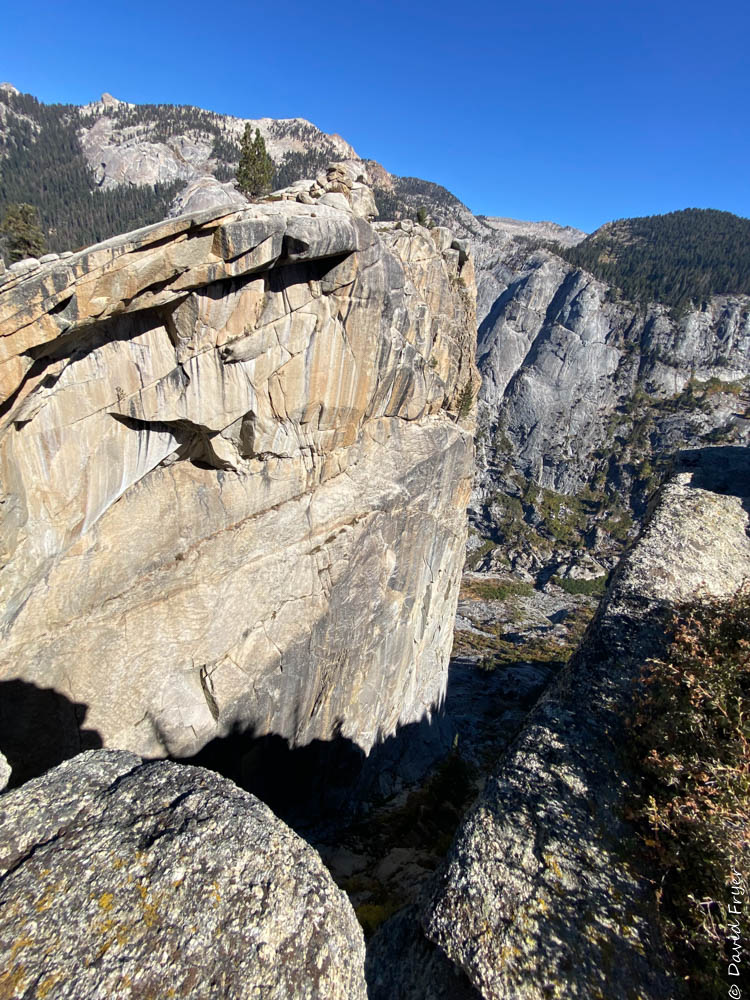
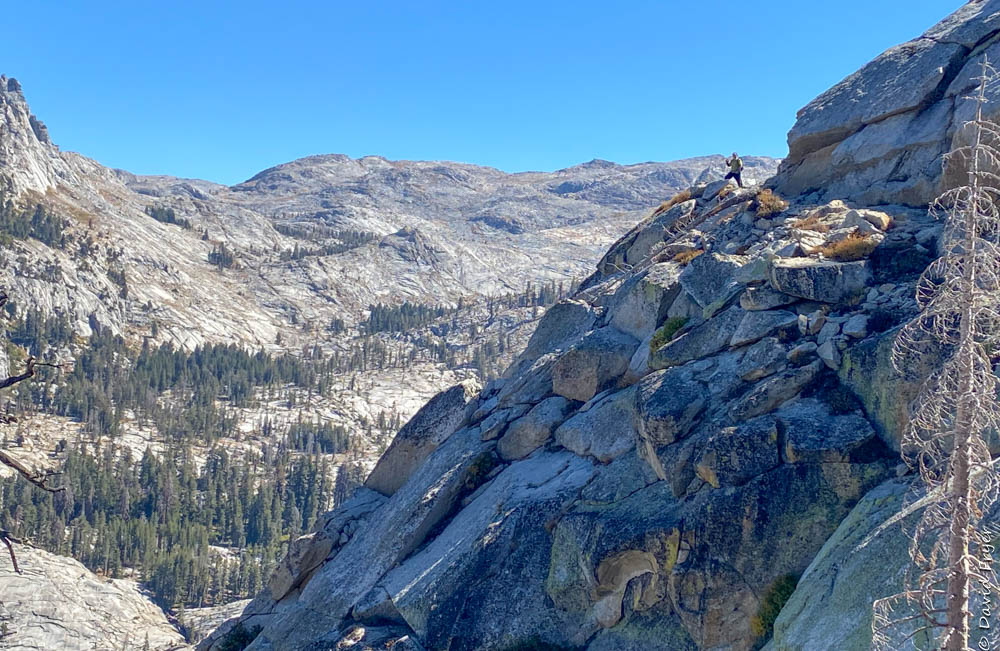
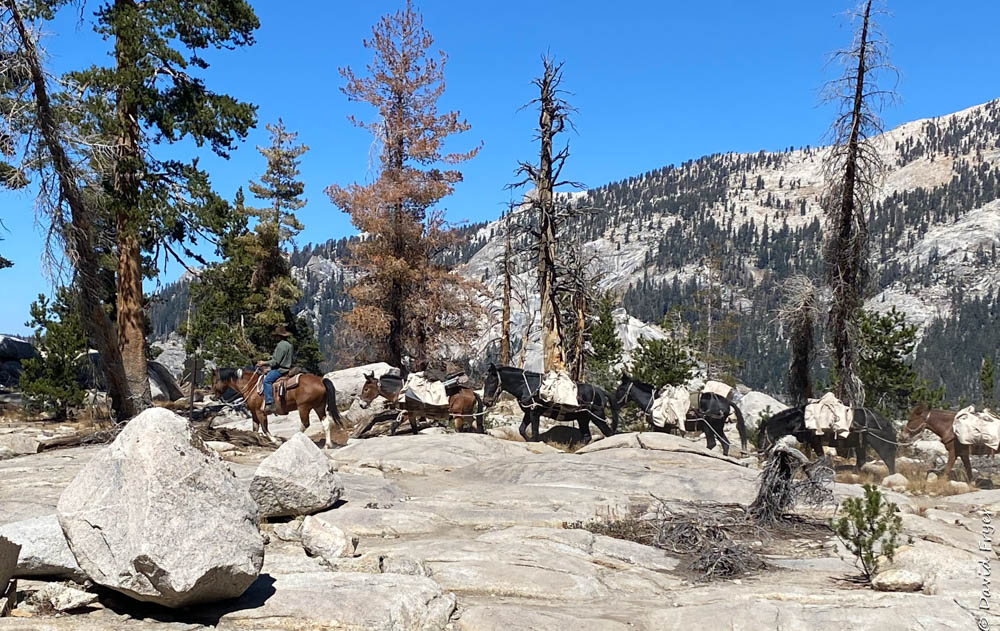
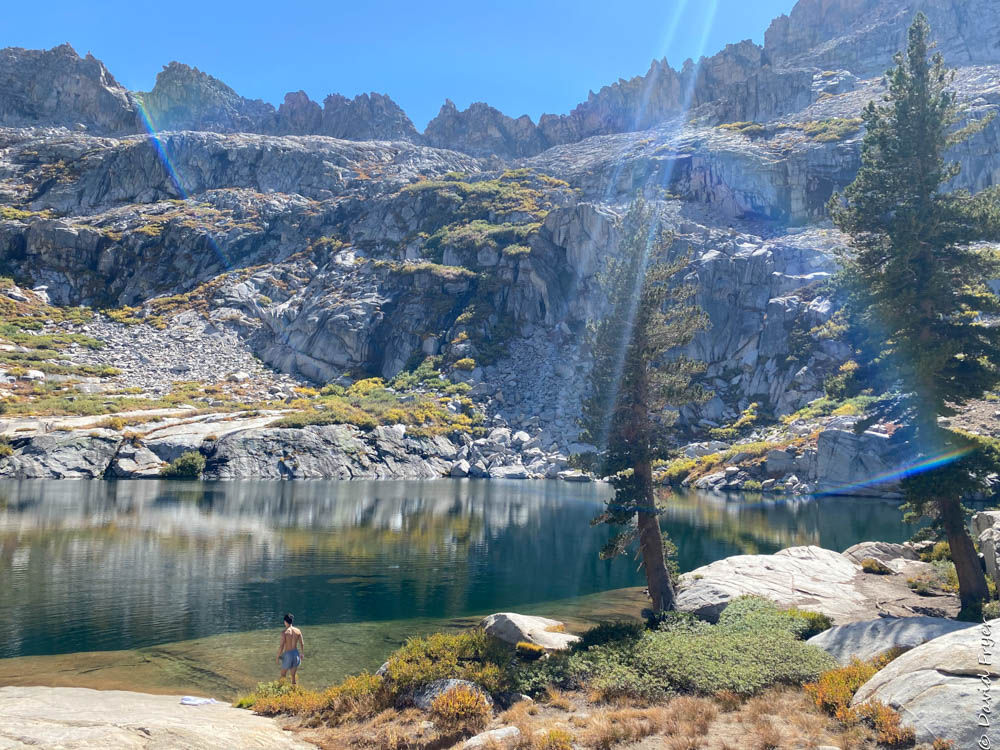
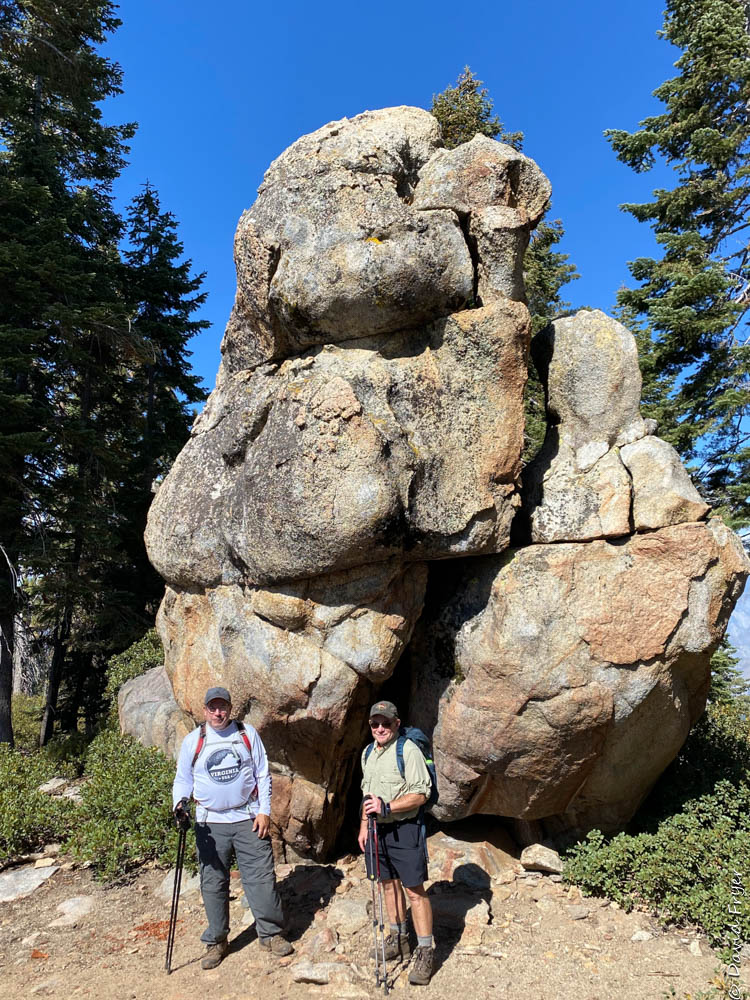
One of the best hikes in the area is to the “Watchtower” via the Pear/Emerald Lake trail. The views are wonderful and remote. There is the watchtower itself with its large rock fin overlooking a deep valley and multiple alpine lakes to visit.
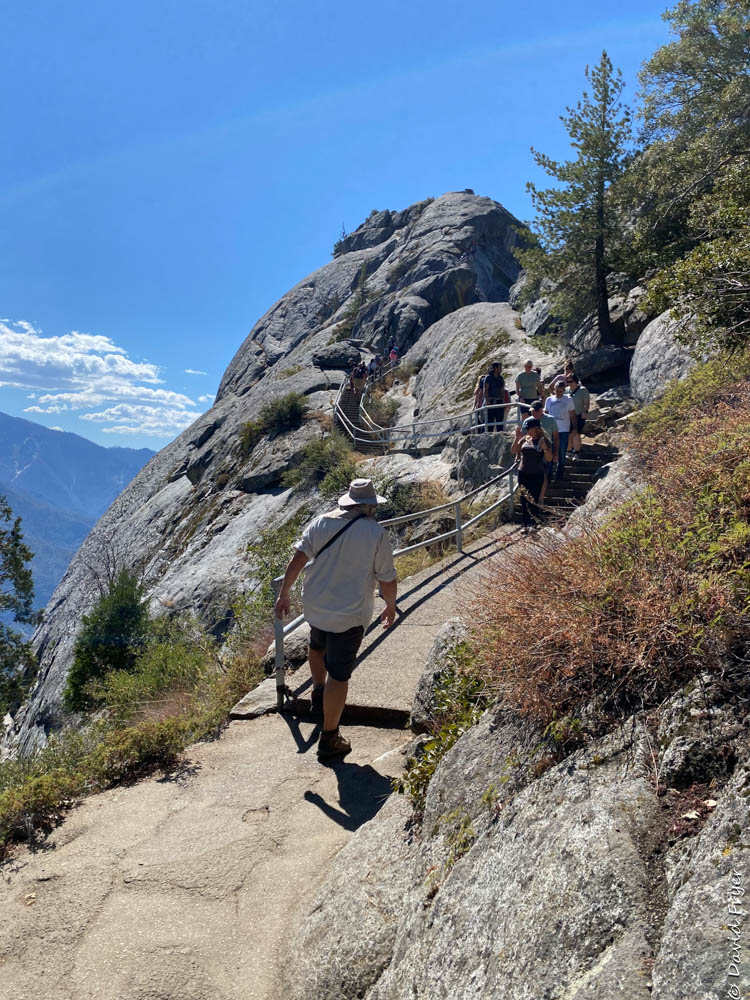
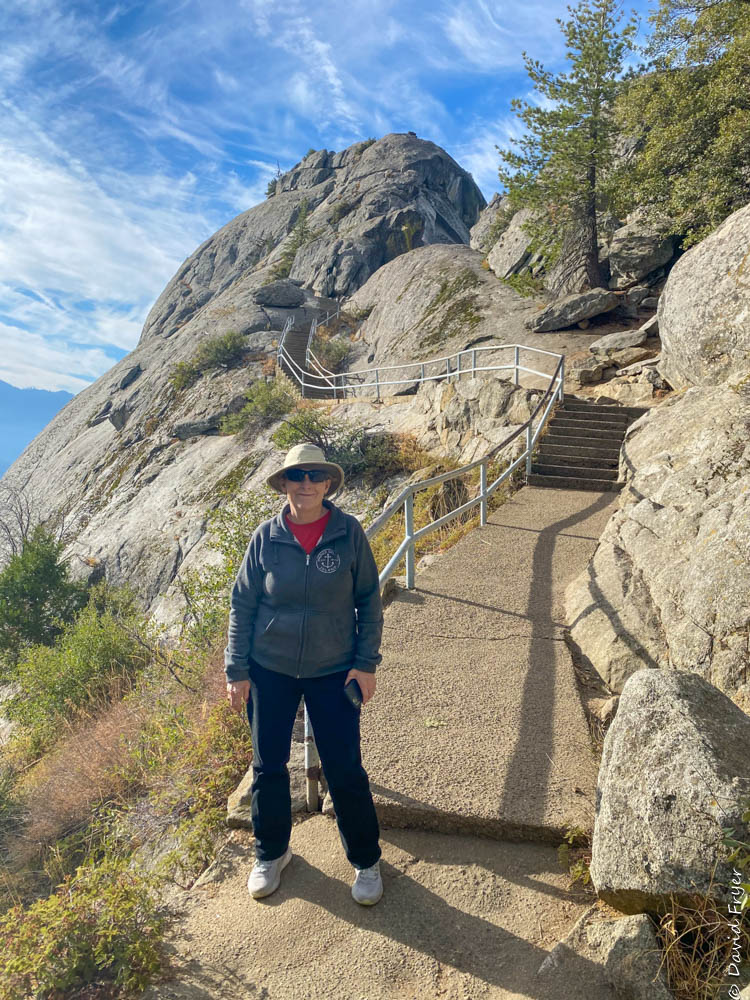
Another popular rock climb is Moro Rock. There are numerous steps to climb but the hike itself is short. The view from the top is one of the best in the park.
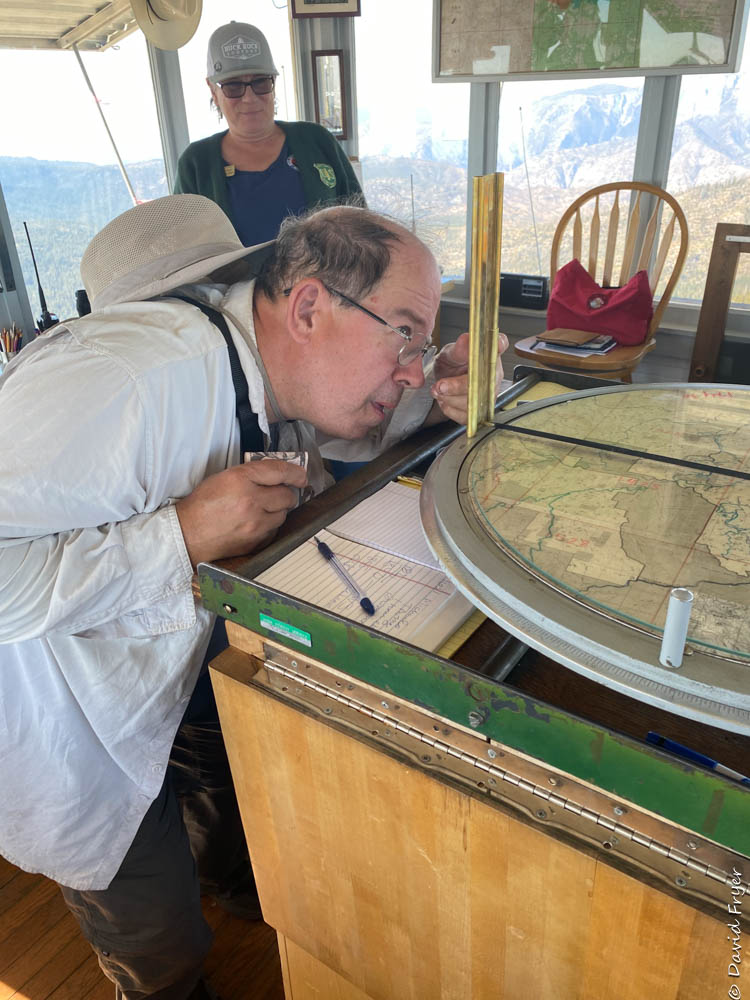
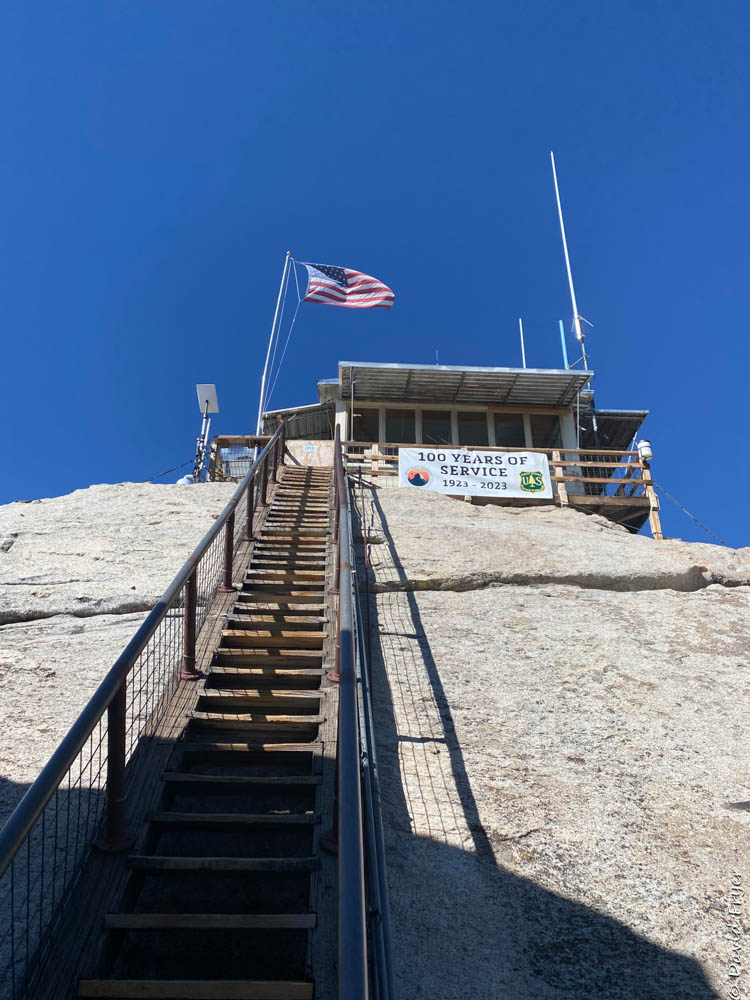

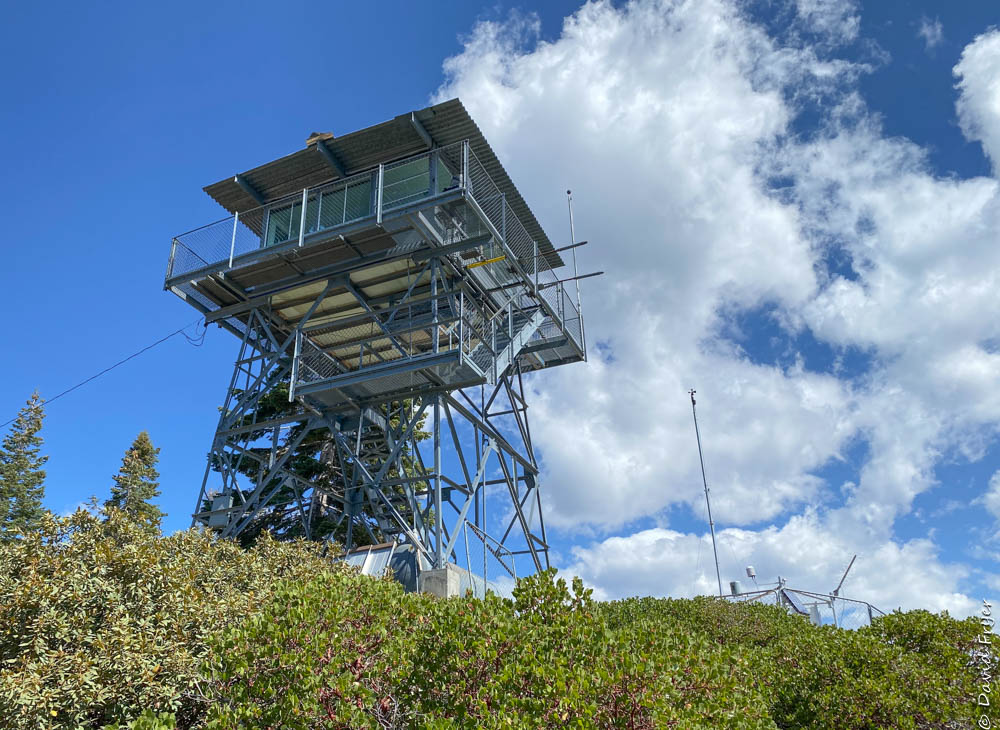
Speaking of top views, there is a fire tower on top of Buck Rock in the national forest land. It is a bumpy ride to the base of the tower and some serious steps to climb to the top. The tower is occupied everyday and is supported by a conservancy, plus the national forest. We were able to visit and enjoy learning about the important work that the Buck Tower team is performing.
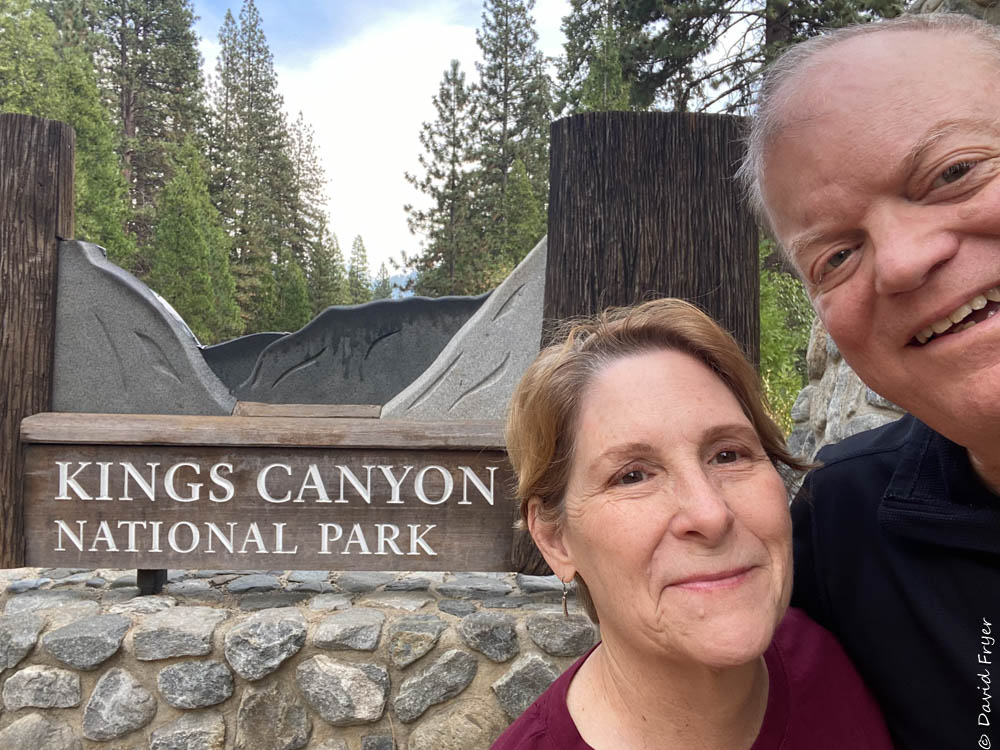
There are plenty of things to do and see in these two parks. Not only do they preserve a rare resource but the Sequoias are an amazing sight to behold. But there is much more than the trees to experience. The canyon, hikes, waterfalls, and mountains are wonderful to experience. You would do well to place this area on your bucket list.

 Piddlin' Around
Wonderful images of these two beautiful National Parks. You were able to show the size of the huge Sequoias. They certainly national treasures.
LikeLiked by 1 person
Thanks for a wonderful tour. Regrettably, we never did spend much exploring CA with the RV. Nice to hear you’re still out RVing and enjoyed another great year of travel.
LikeLiked by 1 person
So good to see a post from you again! You certainly have been busy. The photos are great and definitely entice me to see these places for myself.
LikeLiked by 1 person
Nice to see a post from the Fryers! Beautiful photography! I love the redwoods.
LikeLiked by 1 person
The pictures are great. It’s hard to imagine how big those trees really are. Have missed your blogs, glad to see them again. Would love to have you stop by for a visit sometime.
LikeLike