
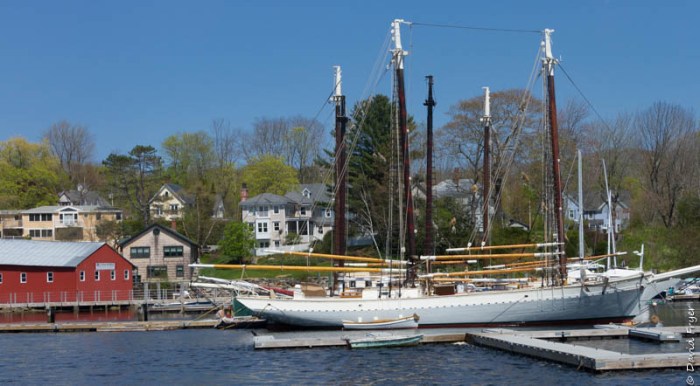
Sandwiched between the southern beaches and Acadia National Park is the area the locals call “the Middle Coast” or “the Mid-Coast.” Unlike the hustle and bustle of the other two regions, it is a bit quieter and more “laid back.” There still will be plenty of summer visitors but the less hurried vibe of Rockland and Camden in May definitely appealed to us.
Camden and Mt. Battie
David and I began our stay on the Mid-Coast by driving up to the top of Mt. Battie. Located in Camden Hills State Park, just north of town, Mt. Battie (780 ft.) offers some outstanding views of Penobscot Bay and the Camden Harbor. The road is open daily 8 am-4 pm from May 1st – Oct. 31st. The park does charge a modest admission fee.
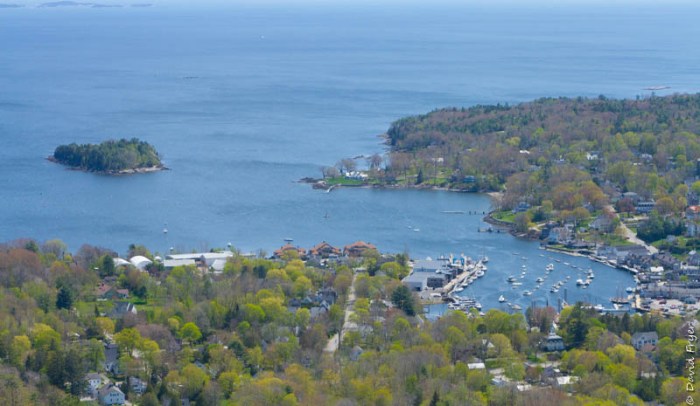
Once you arrive at the summit, you will see a stone tower. If you walk up the stairs to the observation deck, you will be rewarded with a 360° view of the mountains, the Atlantic Ocean, the harbors and inlets, and the towns below. In the distance, you can see Cadillac Mountain in Acadia National Park.
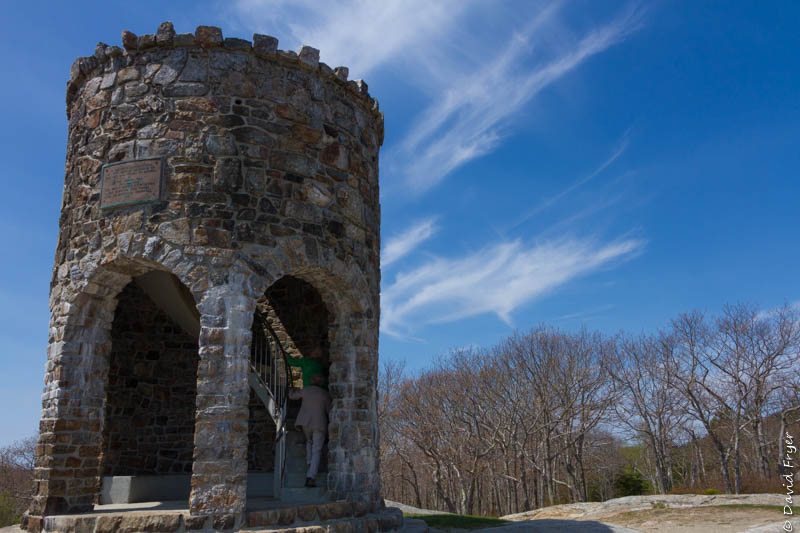
The tower is a monument to those men from Camden who fought in World War I. The Mt. Battie Association positioned it on the very site where Columbus Bushwell, a Camden resident, had previously built a house called Summit House. The Summit House was a hotel and Mr. Bushwell also put in a carriage road to bring his patrons up there. The Mt. Battie Association purchased it and turned it into a clubhouse in 1899. In 1921 they tore the house down and erected the stone tower in its place.
The stone tower is 26 feet tall and was modeled after another structure in Newport, Rhode Island. Access to the monument was difficult for automobiles though. Finally, in 1963, after much lobbying, the Maine Legislature agreed to put in a road to the top of Mt. Battie so the public could see this monument and enjoy the panoramic views.
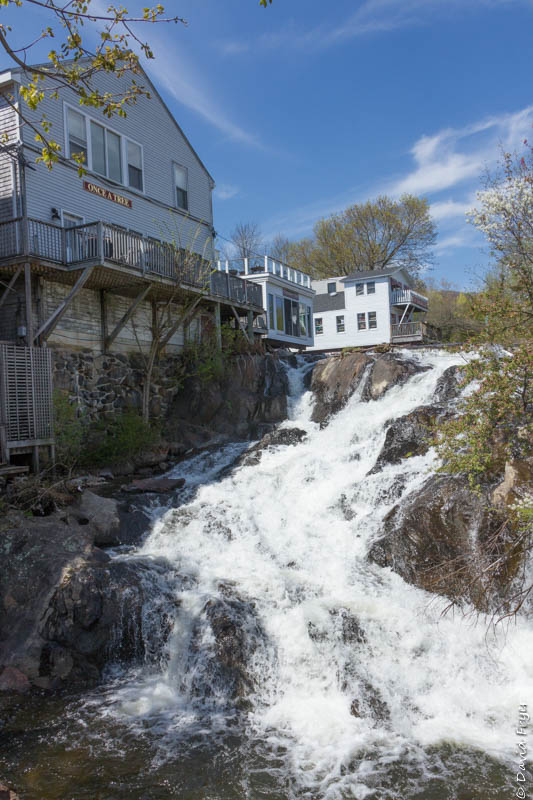
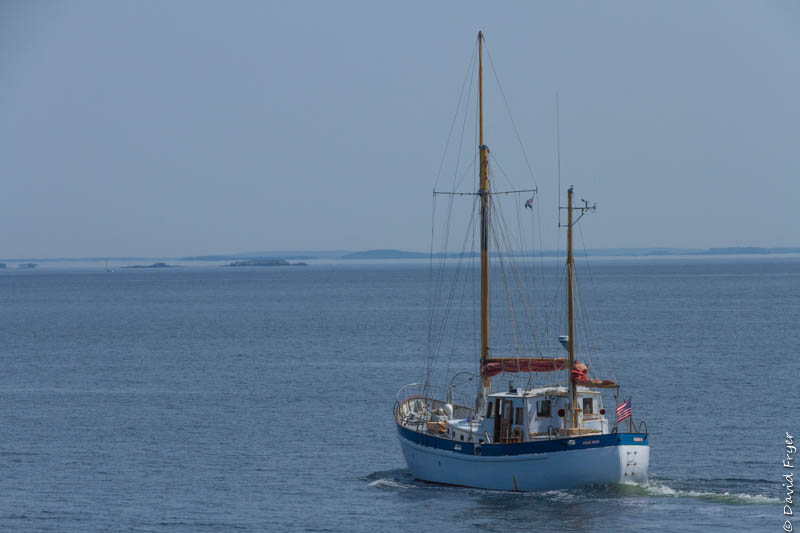
We made our way back down the mountain and into the town of Camden. We walked around the downtown area with its 19th century buildings and down to the harbor where we saw some beautiful schooners. Like Ogunquit, Camden was a ship building area. In season, you can book a tour on one of the schooners!


This town has some art galleries, restaurants, boutique stores, and an amphitheater where they perform Shakespeare plays in summer.

On Main Street is also the Camden Opera House that hosts many events throughout the year. We can certainly understand why this town has so many summer residents.
Rockland and Farnsworth Art Museum
Rockland also has a lot to offer when you come for a visit. There were a few museums and restaurants that were not open yet but there was still plenty to do. We found some good eats at Home Kitchen Cafe. They also have a bakery nearby.

In downtown Rockland are the headquarters for two marine conservation groups: the Maine Coastal Islands National Wildlife Refuge and Project Puffin. At the Wildlife Refuge Visitor Center, we had a lovely chat with a volunteer. We learned that they oversee 73 coastal islands or approximately 9,478 acres of protected marine habitat. For the past 25 years, they have worked to reverse the declining bird populations. Likewise Project Puffin, with support from the Audubon Society, is reintroducing puffins to several islands off the coast. They have a great video and we got to meet some of the people who monitor the birds and their health. Both stops were very fascinating and informative.
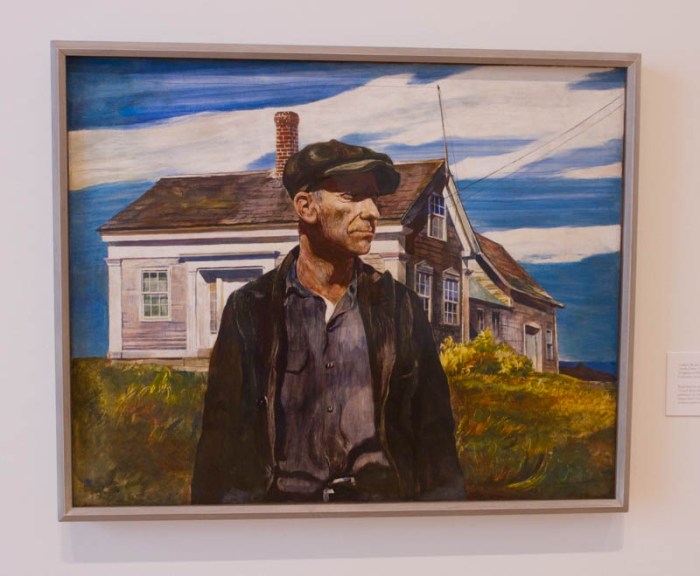
The Farnsworth Art Museum, located in the heart of the city, has over 15,000 works of art that date from the 18th century to the present. It also boasts the largest collection of Wyeth paintings in the U.S. You can see works by N. C. Wyeth, his son Andrew Wyeth, and his grandson, James (Jamie) Wyeth.
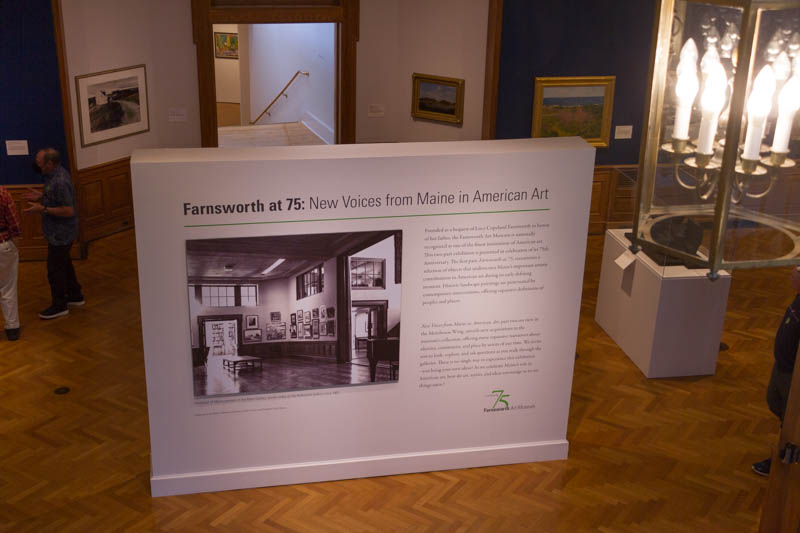
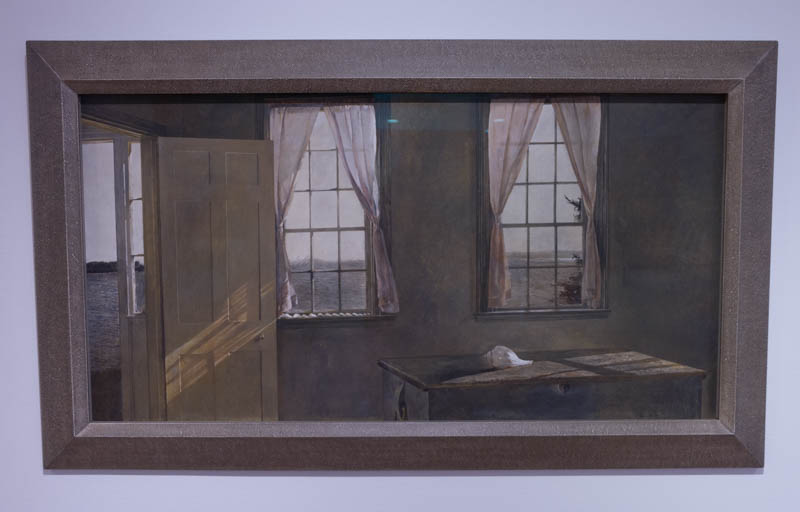
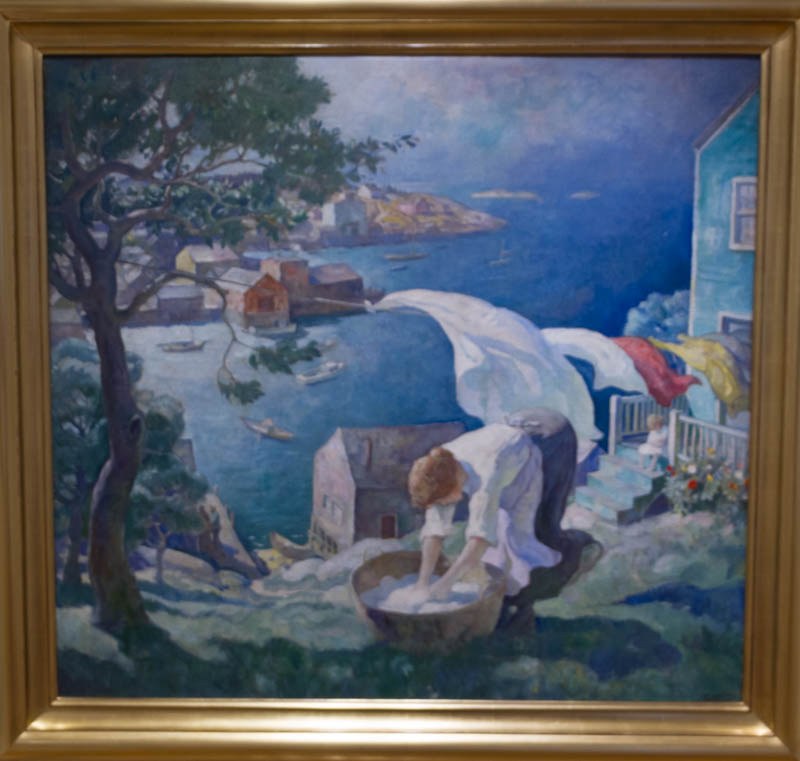



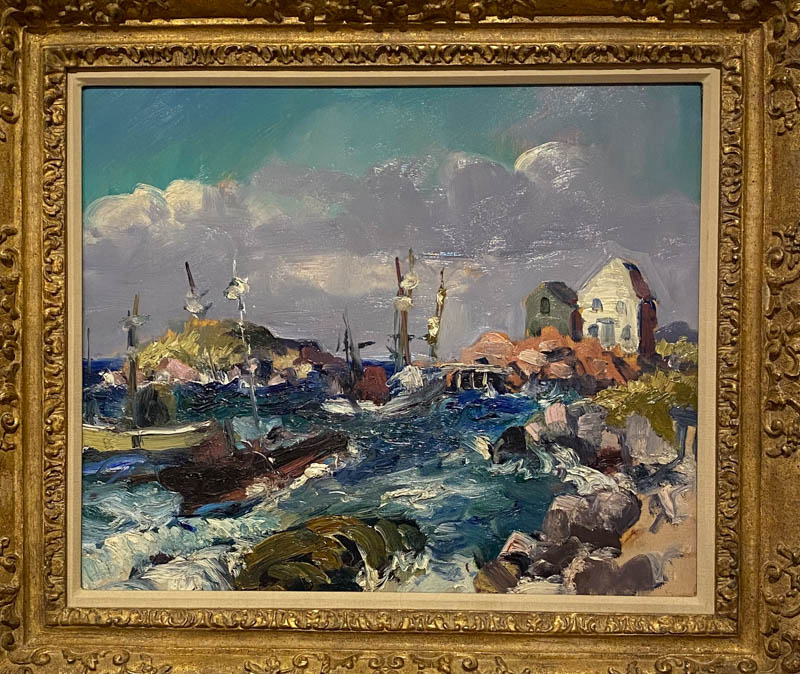


On a docent-guided tour we learned that the museum focuses particularly on artists that have a connection with Maine. Many of the featured artists had spent time in the summer programs at the Showhegan School of Painting and Sculpture in Madison, Maine. The artwork that was on display was very eclectic and wide-ranging in terms of media and subject matter.
The only negative comment about this museum is that the layout is somewhat difficult to navigate. We had to ask the docents for directions several times during our visit.
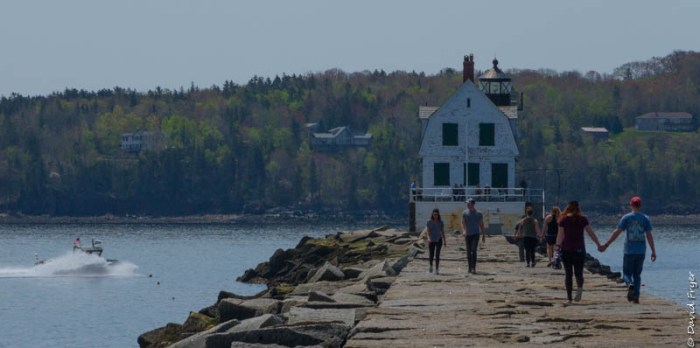
Rockland Breakwater Lighthouse
Probably the most popular landmark in town is the Rockland Breakwater Lighthouse which is visible from many points along the harbor. The brick lighthouse sits at the end of a 4,000 ft. long granite breakwater that helps to shelter ships from northeastern storms. The Corps of Engineers worked on the breakwater’s construction from 1880-1900. The 39 ft. lighthouse was added at the end once they finished it. The light keeper’s house was built behind the tower in 1902. In 1981, this light was added to the National Register of Historic places. In 1999, the Coast Guard transferred ownership to the city. Today volunteers maintain the structures.

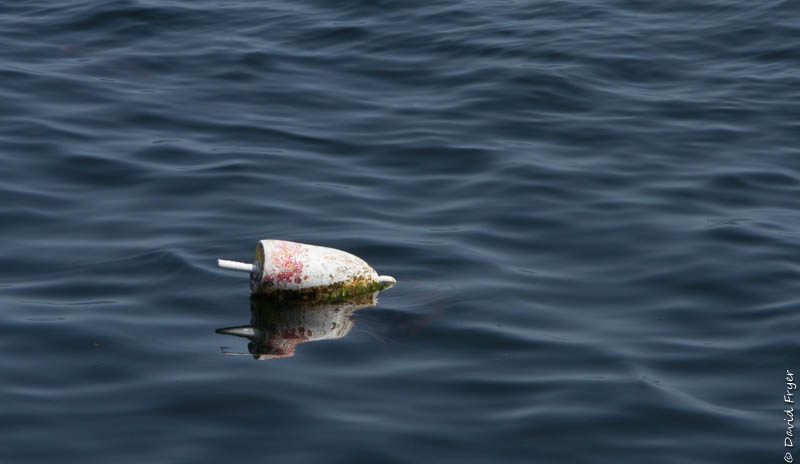
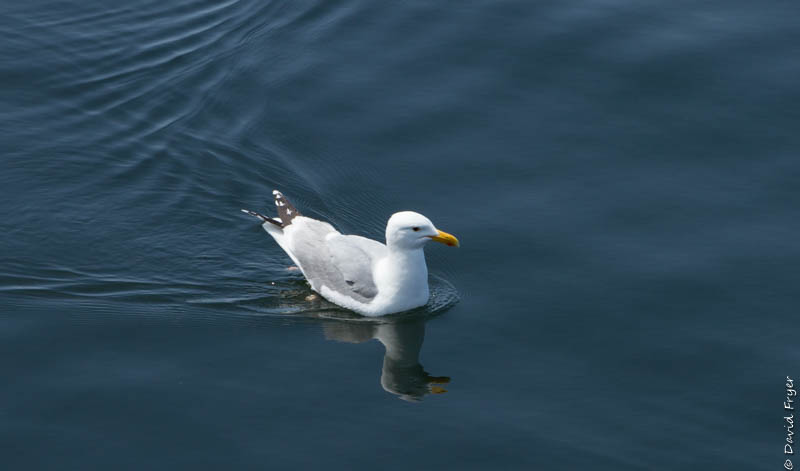
You can walk out to get a closer look but the buildings are not open to the public. Several local residents reminded us that it is a 7/8 of a mile walk on the breakwater’s granite slabs to reach the lighthouse. The slabs were uneven in places but overall it was pretty easy to get there. It is a favorite spot for the locals to get in a walk and many were there on this cool and cloudy day. Be aware that the access trail to the breakwater is not level and is unpaved. It was interesting also that the lighthouse itself was brick while the keeper’s house was wooden and painted white. We enjoyed being out in the harbor and watching the ferry and other boats coming and going from Penobscot Bay.

Owls Head Light
There’s another lighthouse that protects the entrance to the Rockland Harbor. On the tip of the eastern peninsula is the Owls Head Lighthouse which is a 30 ft. brick tower that sits 100 ft. above sea level. It got its name because people thought that the top of this peninsula looked like an Owl’s head. The original light station was erected in 1825 and subsequently replaced in 1852. Two years later they built the keeper’s house that today serves as a small museum and a gift shop. The building also houses the American Lighthouse Foundation.


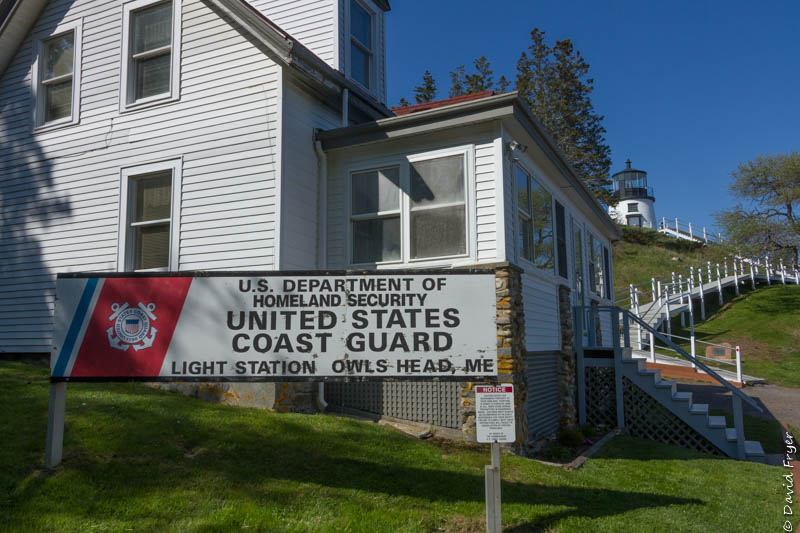


Both the town and the harbor are called Owl’s Head. We saw lots of lobstermen’s boats anchored in the small harbor the afternoon that we were there. It was a very peaceful place at that time of day.
Marshall Point Lighthouse
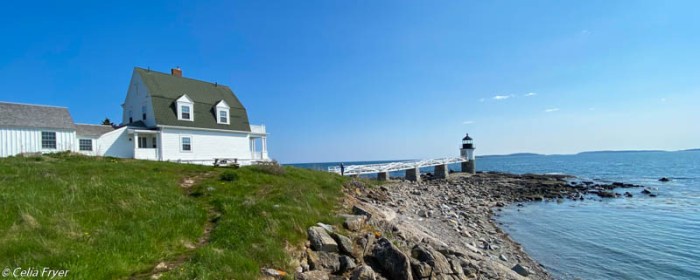
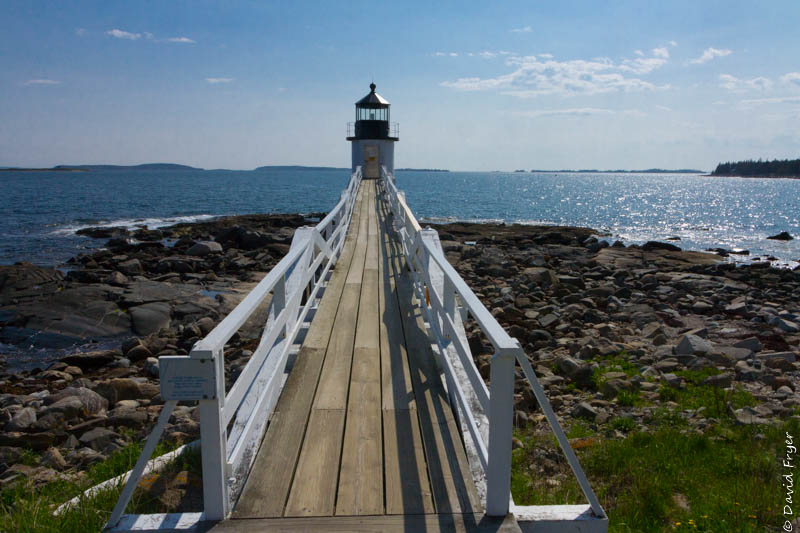
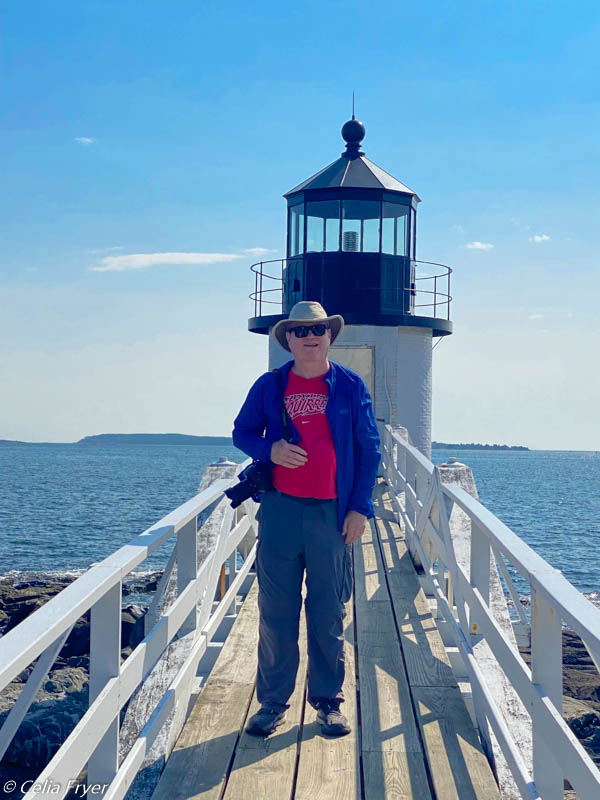
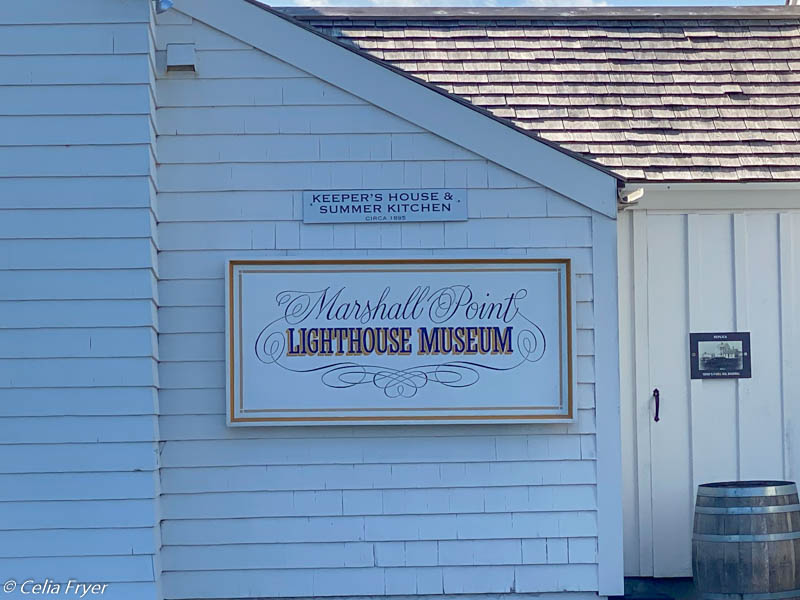
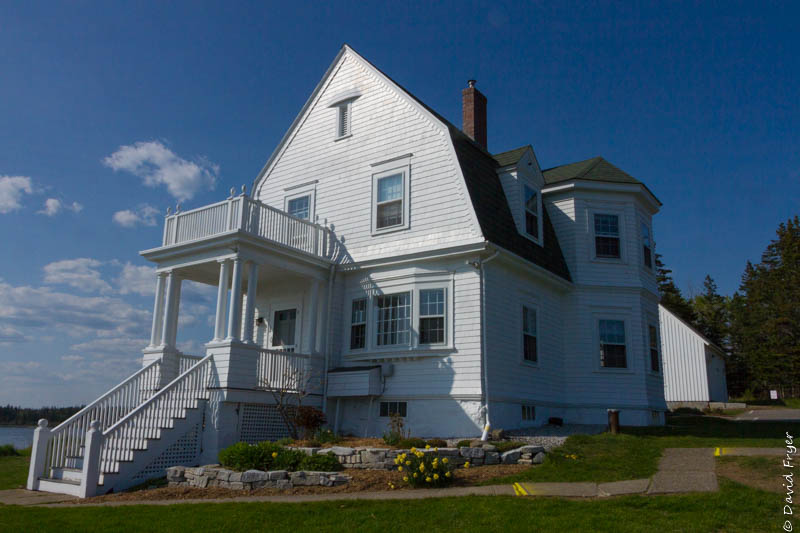
The Marshall Point Lighthouse helps guide boaters in and out of Port Clyde. Placed on a tract of land purchased from Samuel Marshall, this beacon was first lit in 1832 but the current one dates from 1857 and the keeper’s house from 1895. The 31 ft. light is white brick and it has a unique bridge that adds to its beauty. The city of St. George manages both the keeper’s house, which is also a museum, and the tower. The Marshall Point Lighthouse was listed on the National Register of Historic Places in 1988. Another interesting fact is that this light appeared in the movie, Forrest Gump.


David and I really enjoyed our stay in Maine’s Mid-Coast. Next, we are head farther north to visit Acadia National Park near Bar Harbor.

 Piddlin' Around
Wow. We missed so much when we visited Maine. Great that you are having such a great trip.
Randy
>
LikeLiked by 1 person
You will just have to come back!
LikeLike
Yep.
<
div>Randy
Sent from my iPhone
<
div dir=”ltr”>
<
blockquote type=”cite”>
LikeLiked by 1 person
This looks like another beautiful area that we have yet to explore!
LikeLiked by 1 person