
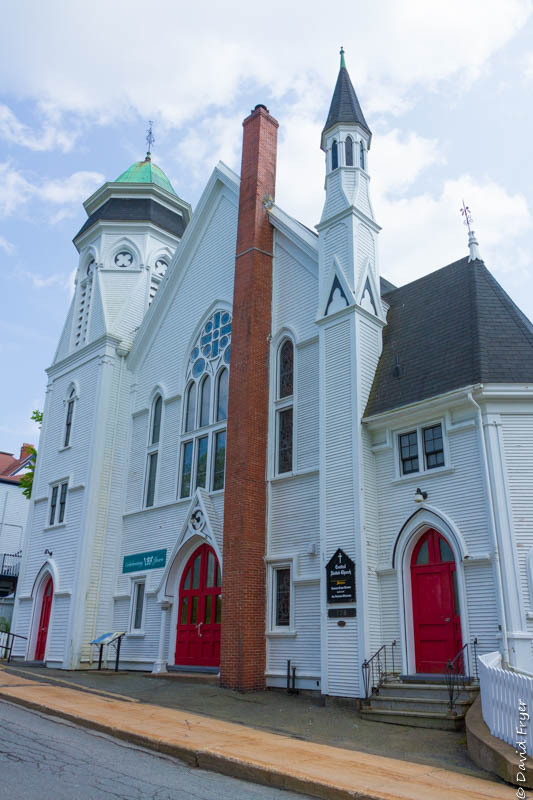
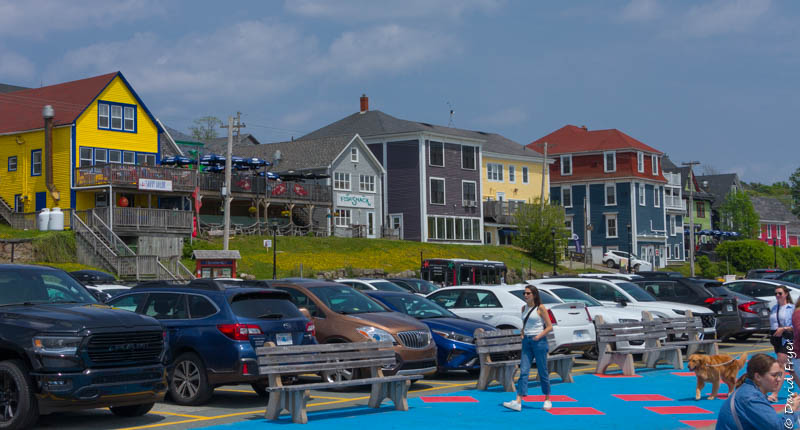
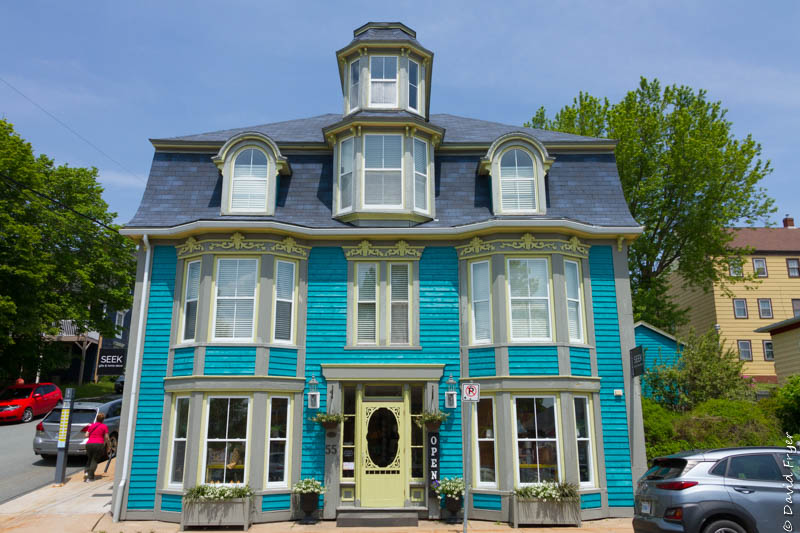
Lunenburg, Nova Scotia is a quaint town with lots of boutique shops, lovely art galleries, great restaurants, colorful buildings and a long history. During our stay we decided to seek out some of the most notable landmarks in town.
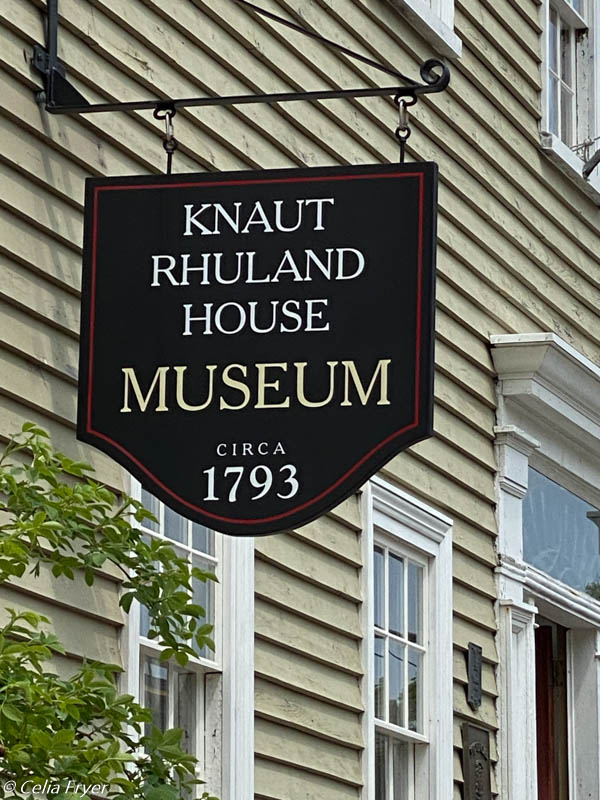
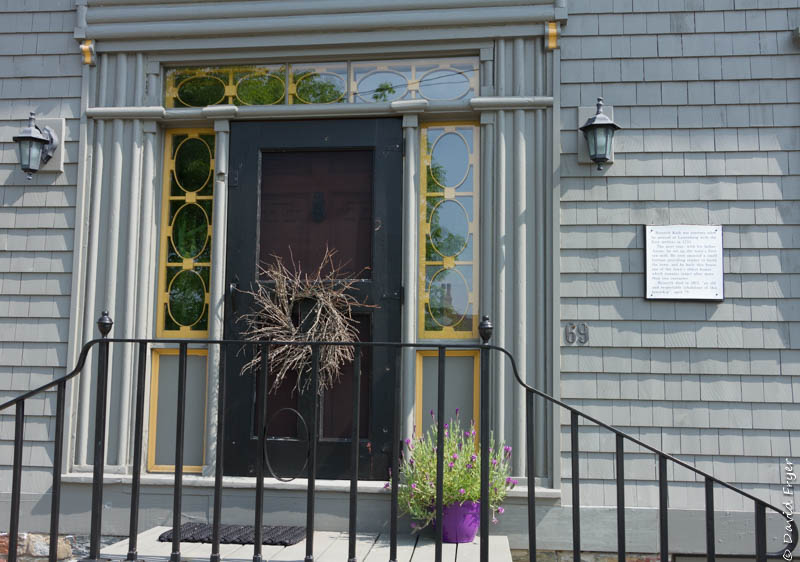
Many of the houses in the historic area are privately owned. While you can enter some of the first floors of the businesses, you cannot see the entire building. The Knaut-Rhuland House, which is a museum, gave us an opportunity to see the interior on one of these historic homes. Built in 1793, it bears the name of its two owners: Benjamin Knaut, a merchant and the town’s first sheriff, and Conrad Rhuland, a ship owner and trader.
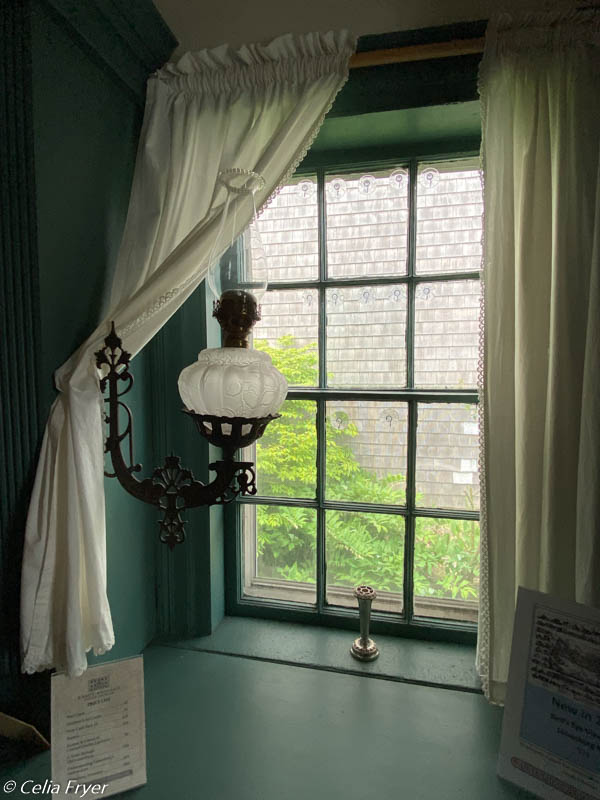
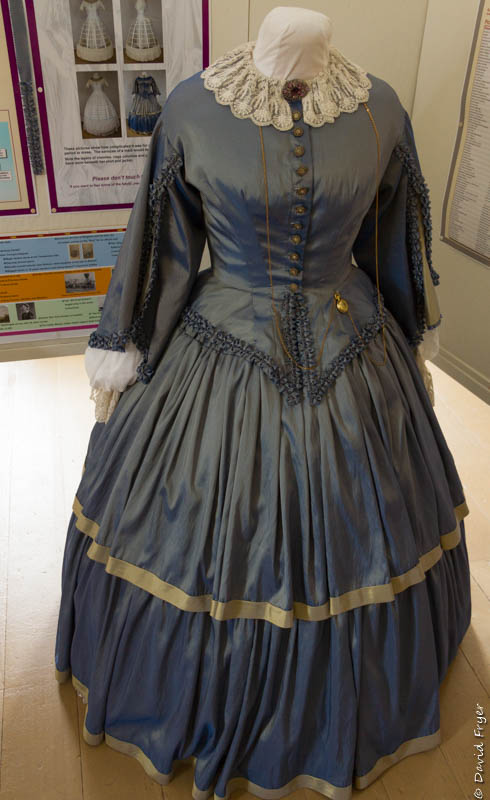
This house is a typical British Colonial structure built on a stone foundation that is 2 ft. thick and 7 ft. high. It is a two-story home with a central hallway that divides the house in half both upstairs and downstairs. There are two rooms off of the hallway on both sides.
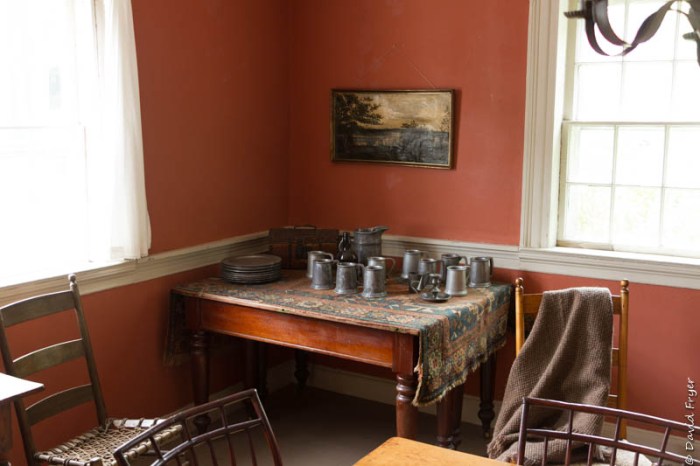
Benjamin Knaut was the son of a merchant. The merchant class homes were places where people would meet and socialize so the interior décor and furnishings were meant to impress the non-merchant classes. The museum acquired period pieces of furniture that reflect those used by both owners. When Conrad Rhuland purchased the house in 1813, he modified the front room downstairs to reflect his German heritage. This room featured a wallpaper mural and remnants were discovered during the house’s renovation.

Our period costumed docent guided us through the museum. She also told us about how the British established the city and how property was assigned. The plots were drawn out on a grid and the lot numbers were written on the back of a deck of cards. In 1753, the Protestant men gathered at St. Paul’s Church in Halifax drew a card and that became the property where they could build their house. They also drew to receive a plot of land outside of the city limits that they could farm. We asked if the properties nearest the harbor were the most desirable because the Knaut house was not near the water. Our docent said that no one wanted the lots near the harbor because of the strong smell of rotten fish and the noise of the shipbuilding companies. Since Lunenburg, to our surprise, is quite hilly, the more desirable lots were up higher and farther from the working docks.
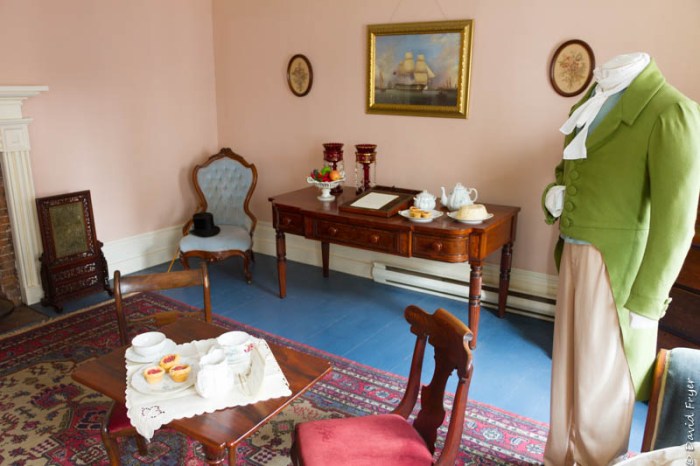
There were a number of very interesting displays throughout this small museum. In the Keeper Room, there was one about how flax was turned into linen. In the library, there was a display of Bibles and Prayer Books, some belonging to the Rudolf family, one of the first settlers in Lunenburg.
The Knaut-Rhuland House is a great place to visit to get an overview of the town’s history. It is owned and operated by the Lunenburg Heritage Society and it is a National Historic Site of Canada.
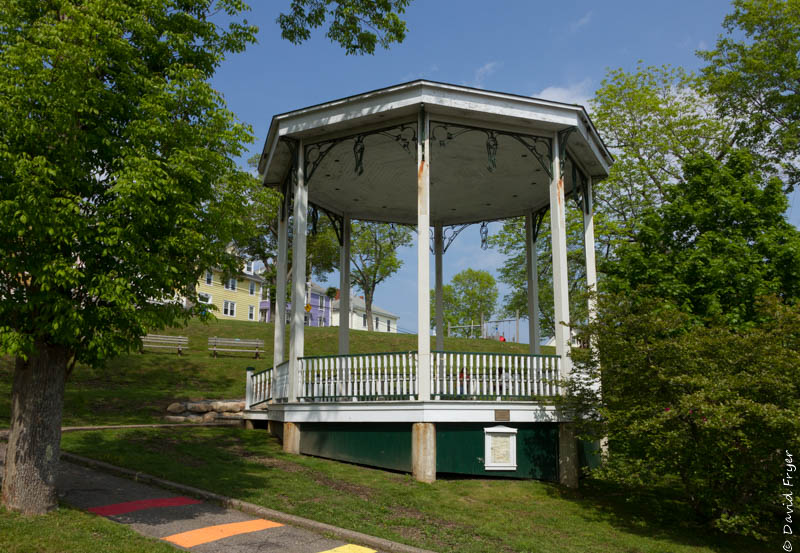
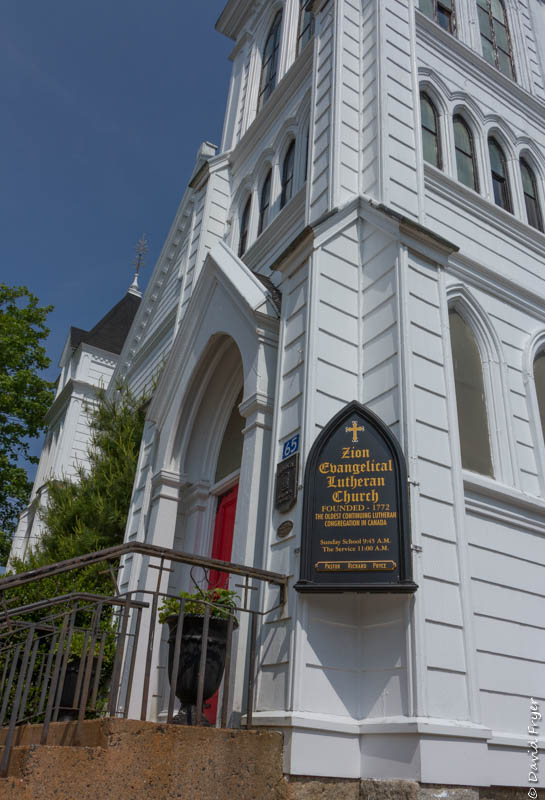
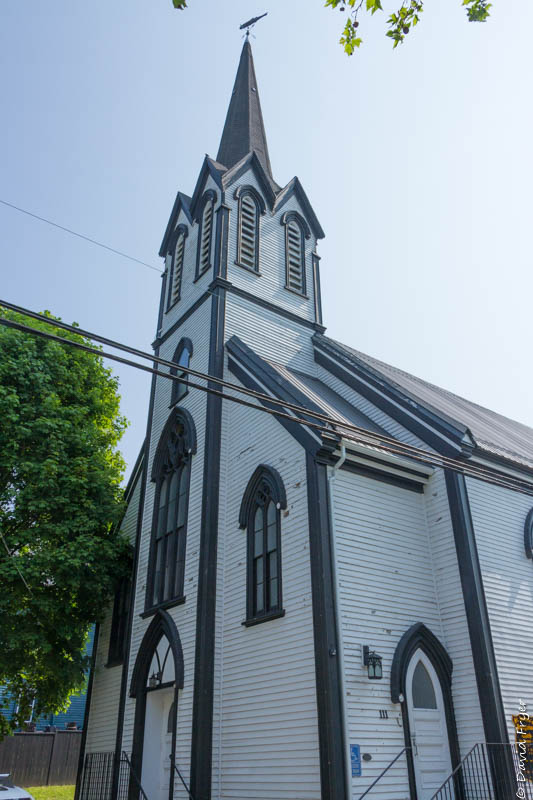
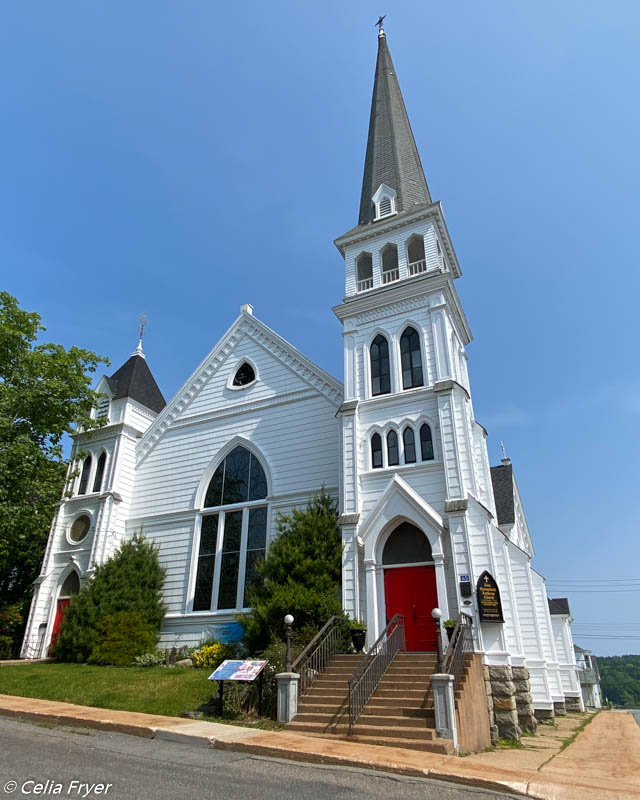
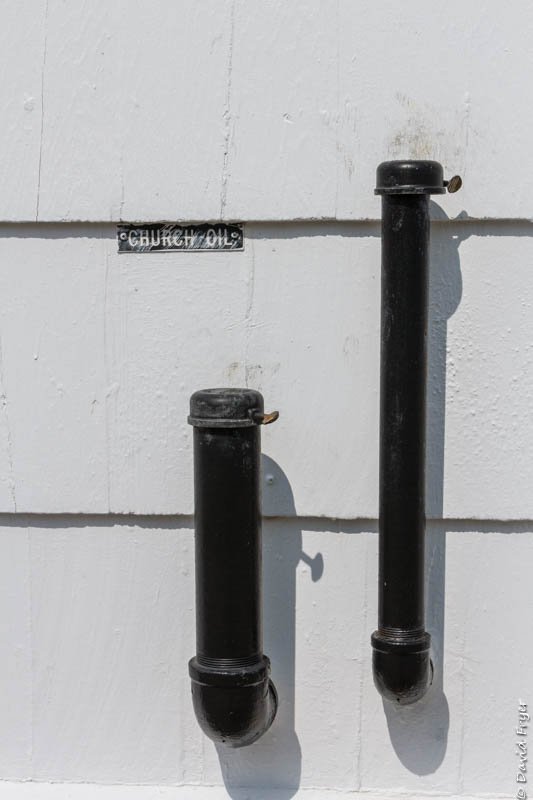
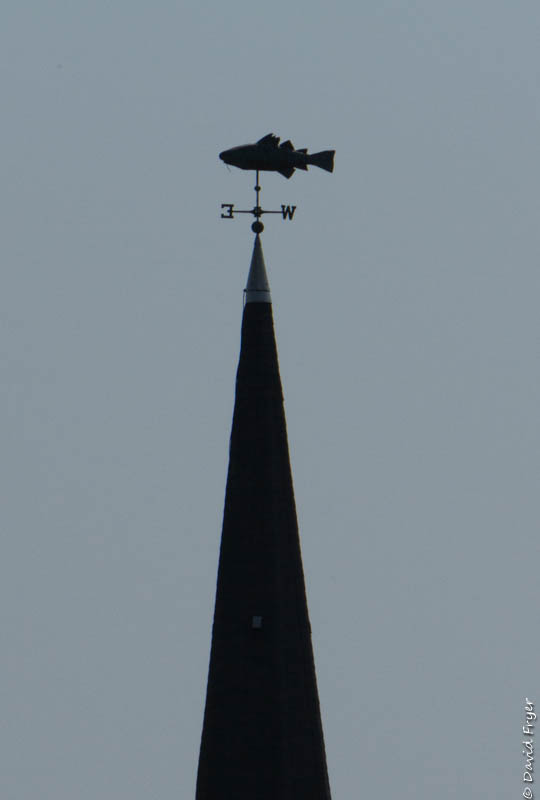
In the heart of Lunenburg is a large green space or parade area with a gazebo and several monuments. Today the Town Hall is on part of this communal gathering area. Near this area are a number of churches that were built and consecrated in the early years of the settlement. The Presbyterian Church (1753), the Zion Evangelical Lutheran Church (1770) and St. John’s Anglican Church (1753) are the oldest. The first church services were held on the open green in 1753. The following year the Anglican Church built a small meeting building. The Presbyterians, the Lutherans, the Baptists, the Roman Catholics, and the Mi’kmaq all worshiped there. Over the years the denominations built their own churches in town.
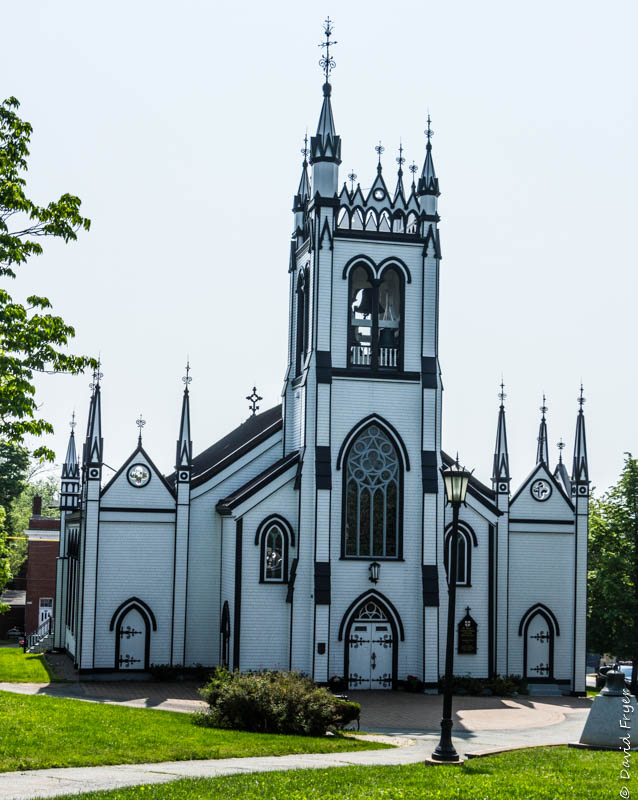
The Anglican Church is the second oldest in Canada. The church continued to grow and to enlarge their facilities. The building is an outstanding example of Carpenter Gothic style. Many of the features that would normally be carved out of stone are rendered in wood.
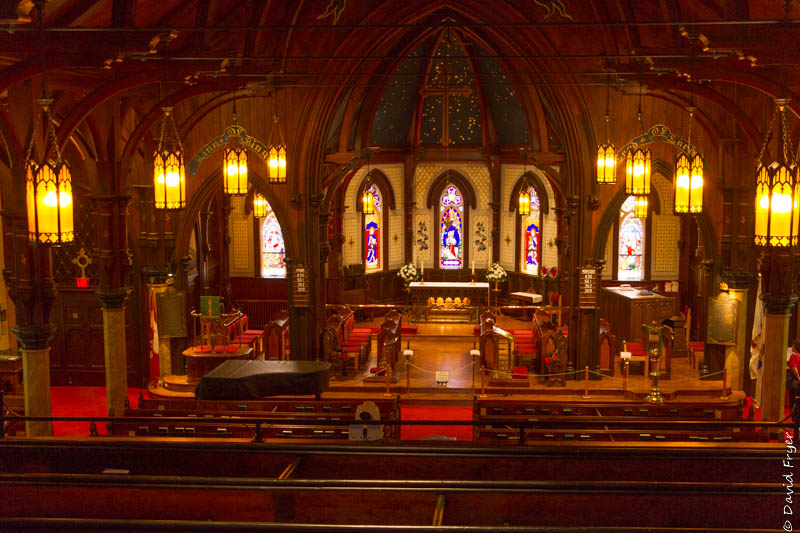
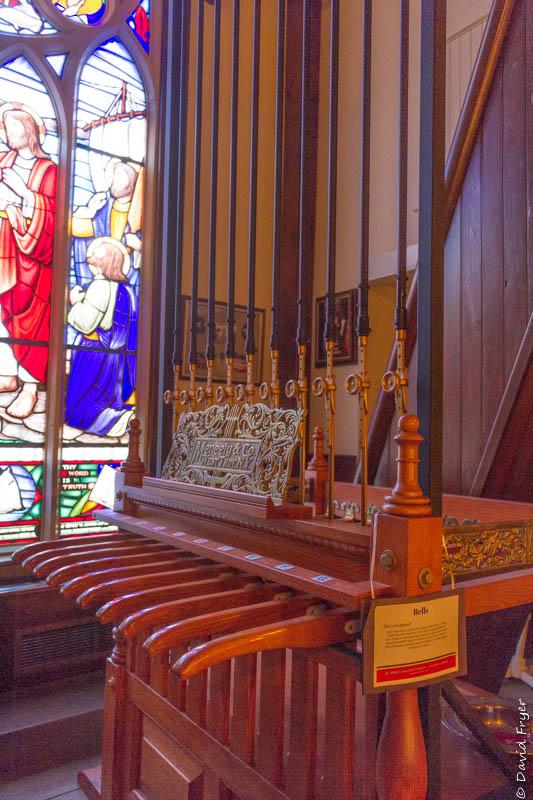
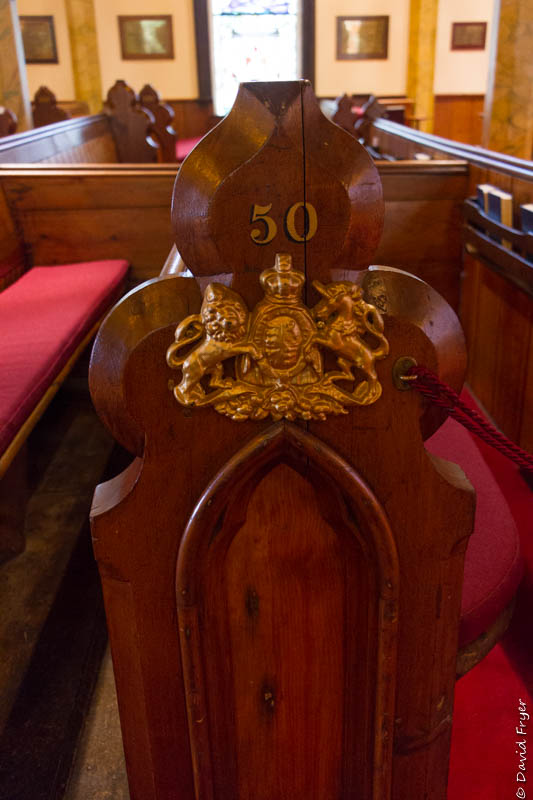
In 2001, a fire broke out and destroyed much of the church. It was such a massive fire that firefighters from all of western Nova Scotia came and they had to pump water from the harbor to extinguish it. They saved some of the side walls, the pews, and a few other furnishings. Fortunately, the fire did not spread to any other buildings in town.
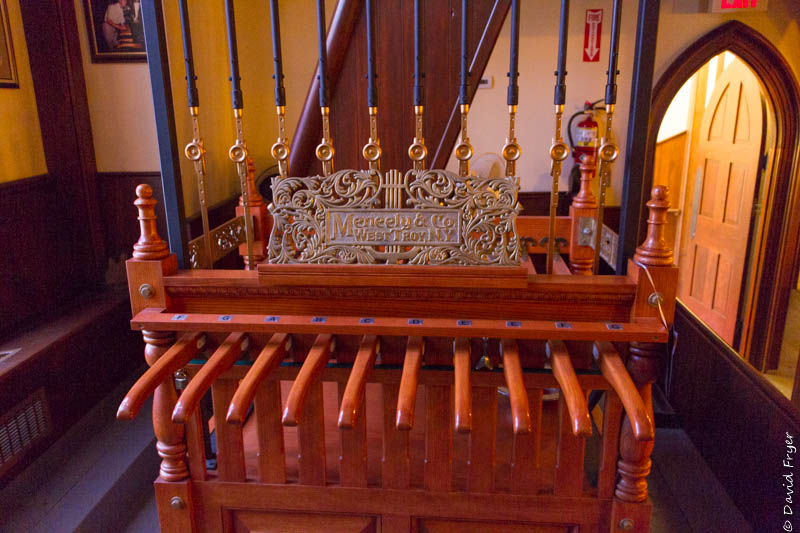
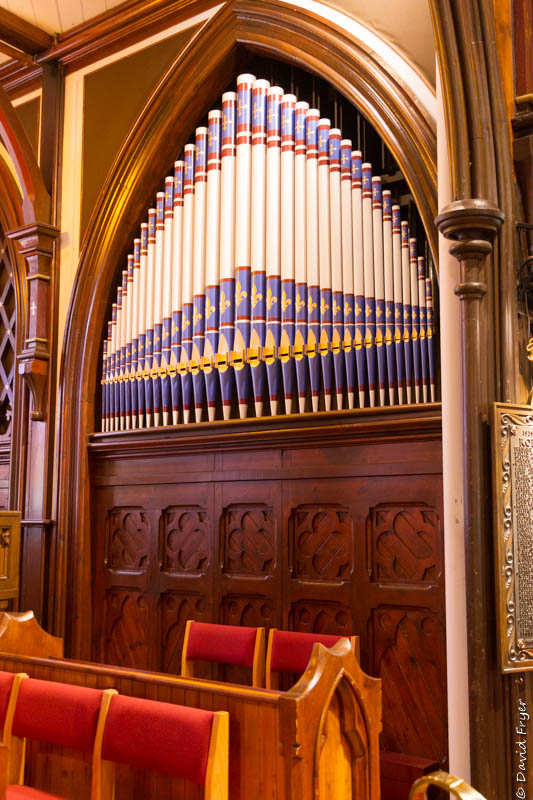
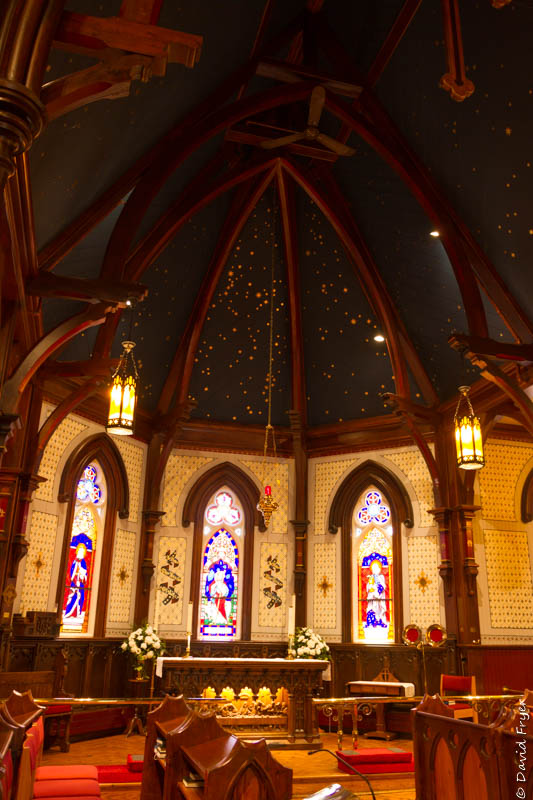
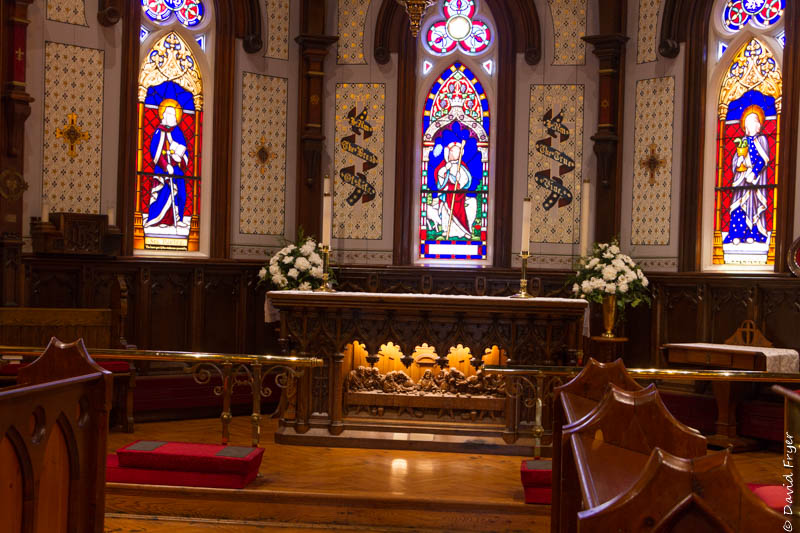
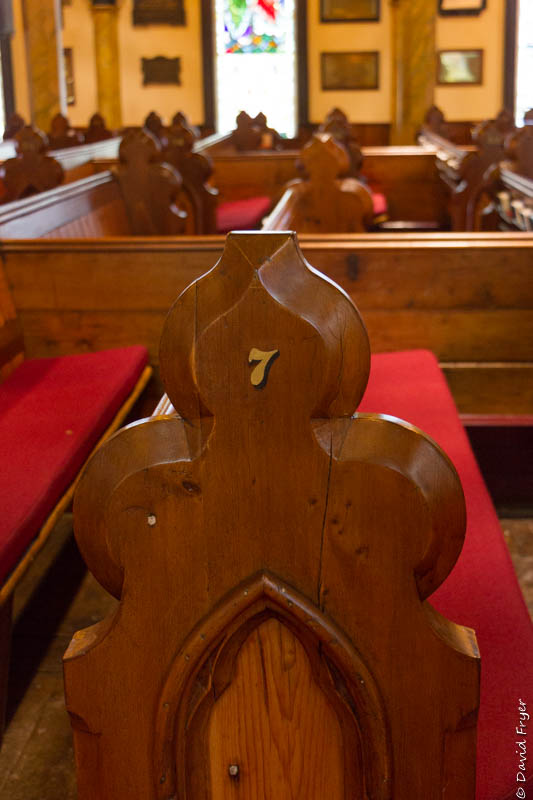
Given that St. John’s Anglican Church is a National Historic Site, the government and the church decided to rebuild it. All of the work was done by local craftsmen. In 2004, they completed the sanctuary and the bell tower at a cost of $8 million CAD. With its stained glass windows, the altar and the original pews that were saved from the fire, and the stenciled organ pipes, this church is breathtakingly beautiful and well worth a visit. Wish we could have attended to a worship service there. I’m sure that it would be impressive too.
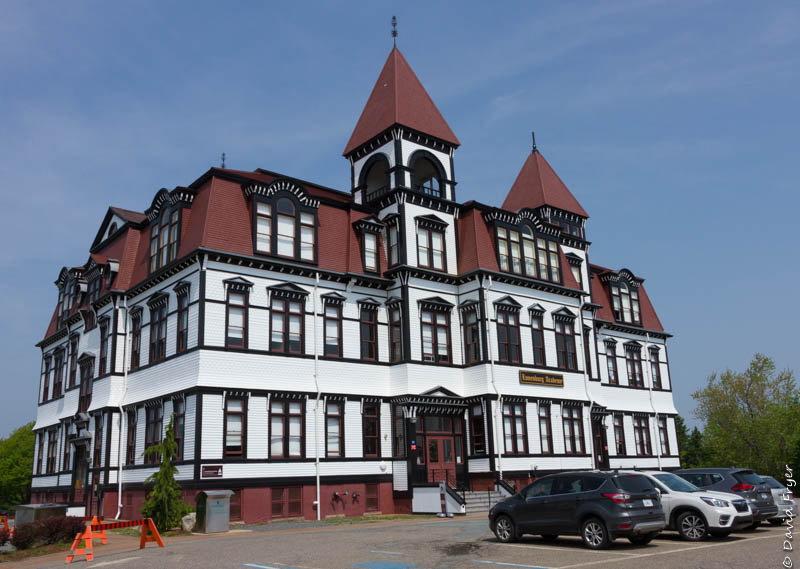
Education was highly valued in the Lunenburg community so the town built several academy buildings for that purpose. The original Lunenburg Academy buildings were in the center of town. After several of them burned down, they decided to relocate the school to a safer location. In 1895, they built a new Academy building on Gallows Hill (bad name for the location of a school) which would be “an ornament to the town and a credit to the Province.” Harry H. Mott designed a Second Empire style structure that is truly magnificent. This three-story wooden building located on the edge of town boasts 18,000 square feet. The Lunenburg Academy served as the elementary and high school from 1895-2012 and it had 650 students when it first opened. There were two entrances: one for the boys and one for the girls. We met a gentleman who had attended school there and he said that even the hallways were separated by a divider so the boys and girls would not intermingle. He also showed us attendance records that dated back to its opening. Inside the building is a heritage classroom that you can visit that is set up exactly as it was for all the first graders who studied there. The gentleman that we talked to remembered being in this room on his first day of school. In the classroom, there is a lot of information about the role that this institution played in the 19th century Lunenburg.
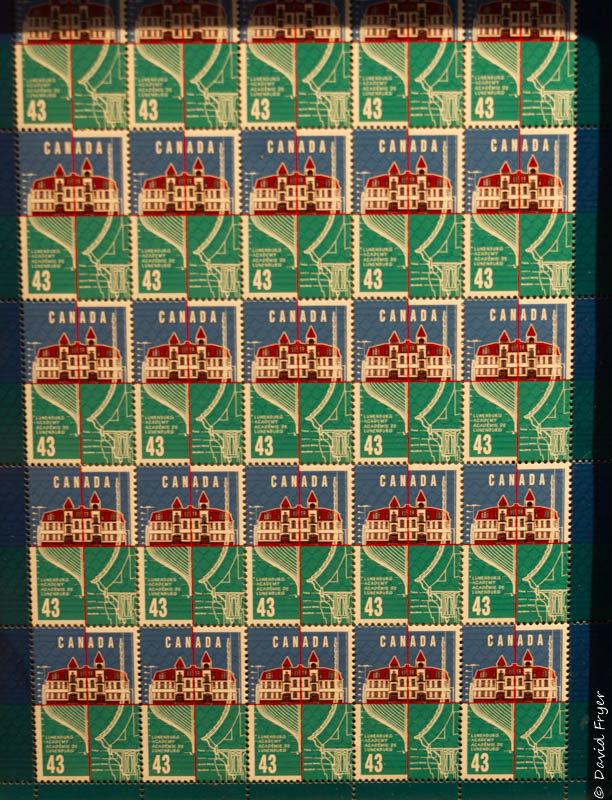
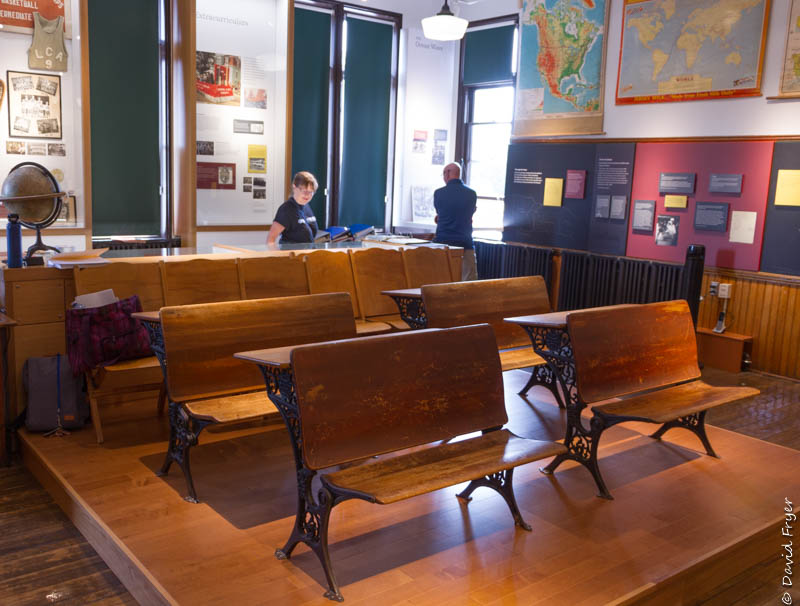
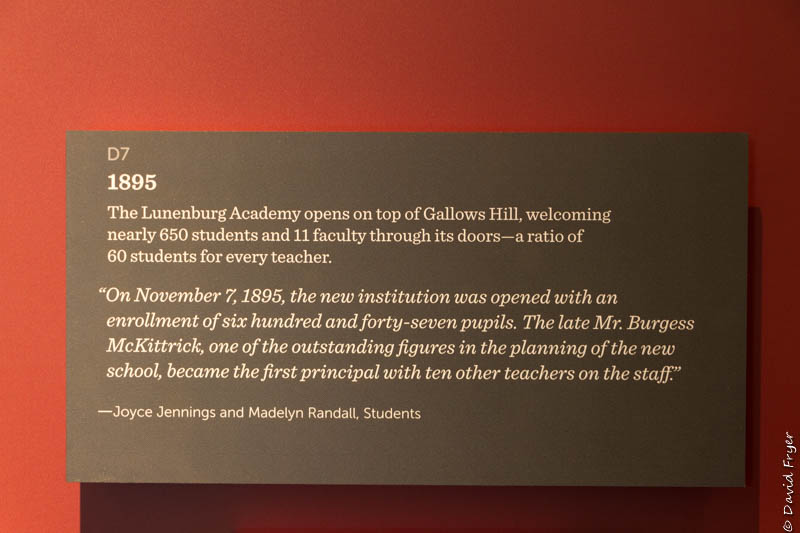
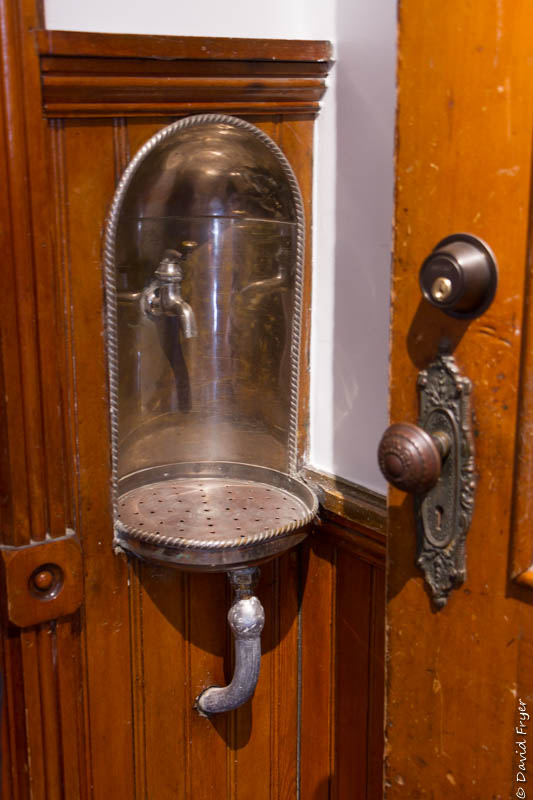
The Lunenburg Academy was designated a National Historic Site in 1983. The city now owns the Academy building and there is a Foundation that is working to preserve the building and its history. Today it also houses a music school with theater performances, a library, and offices.
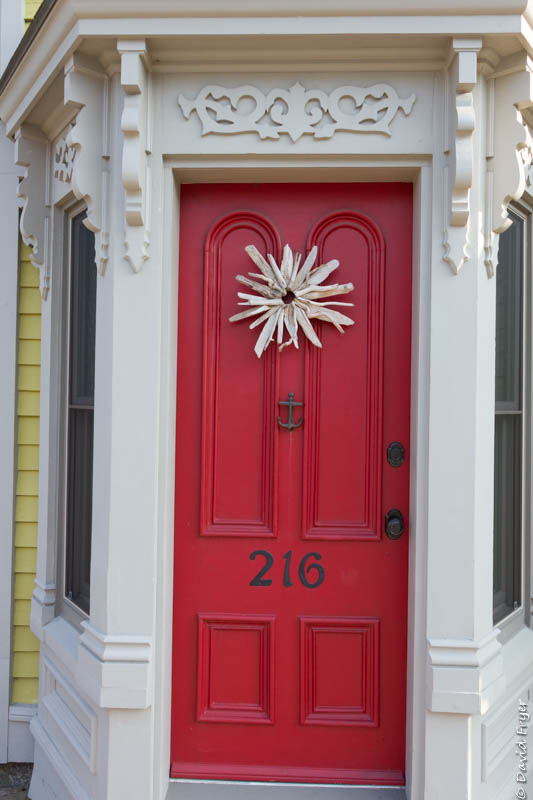
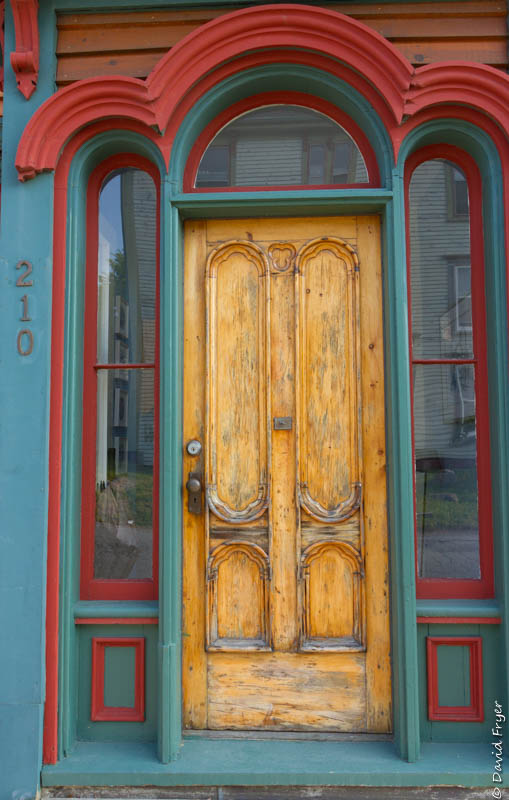
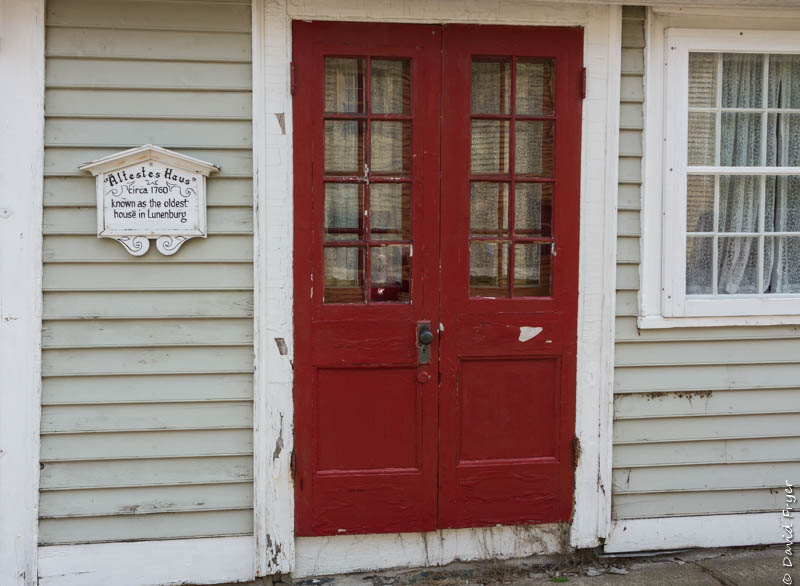
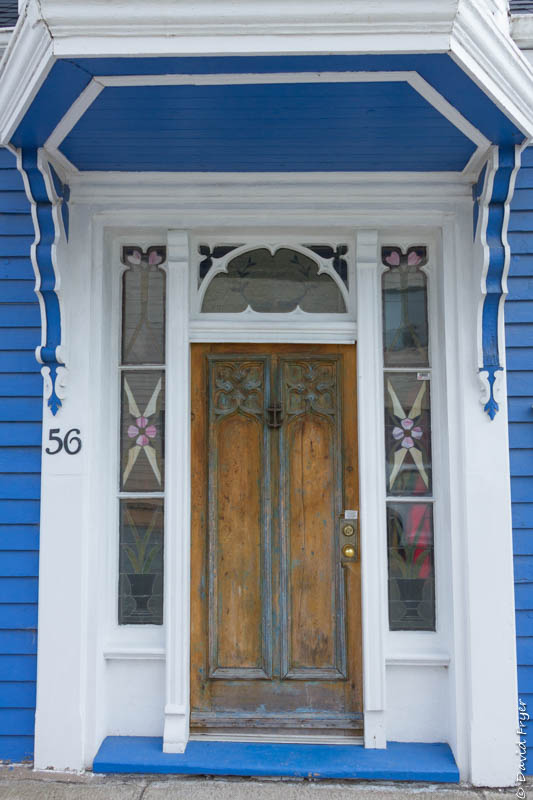
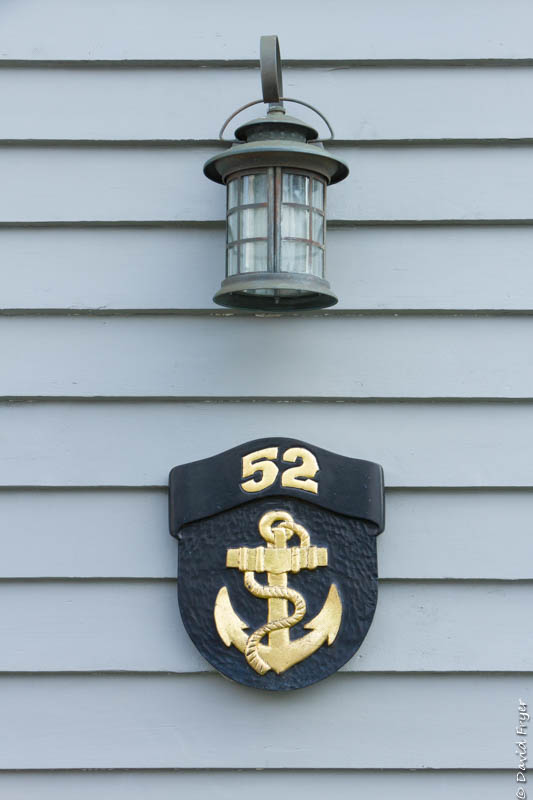
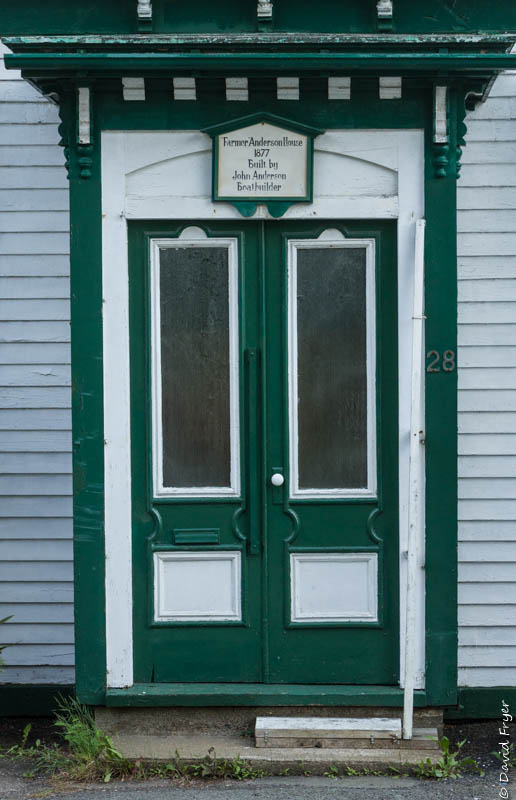
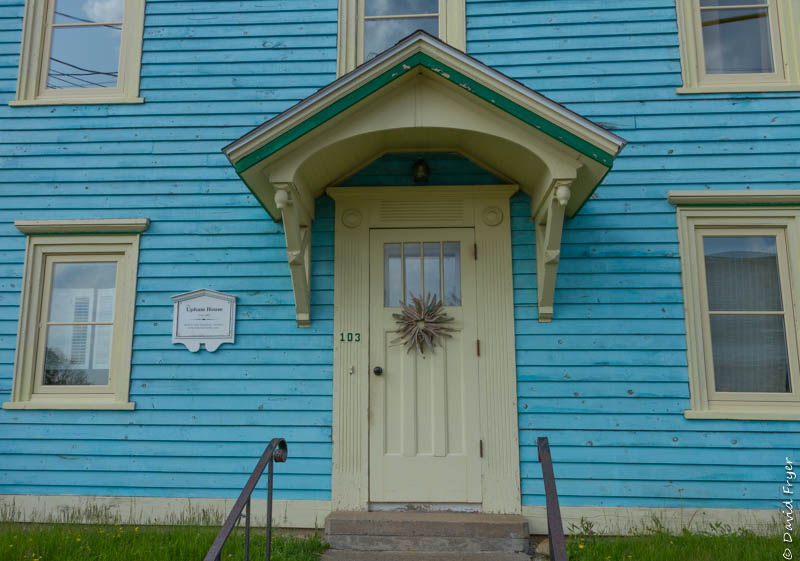
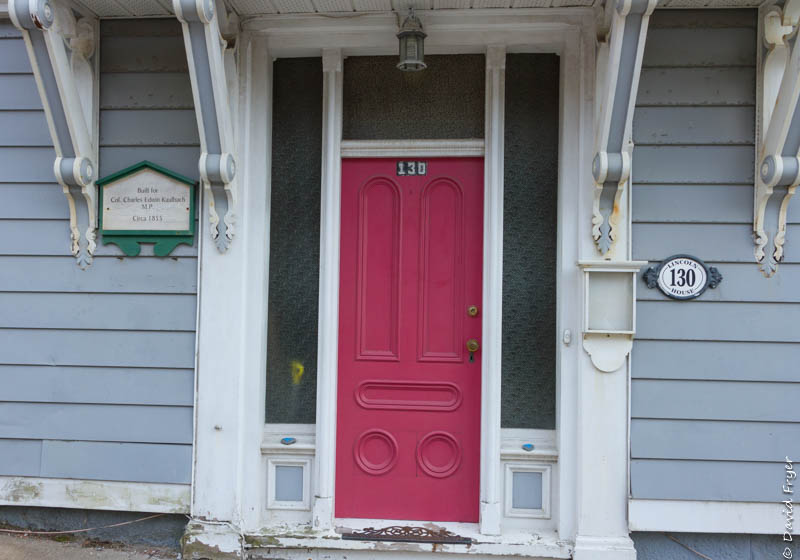
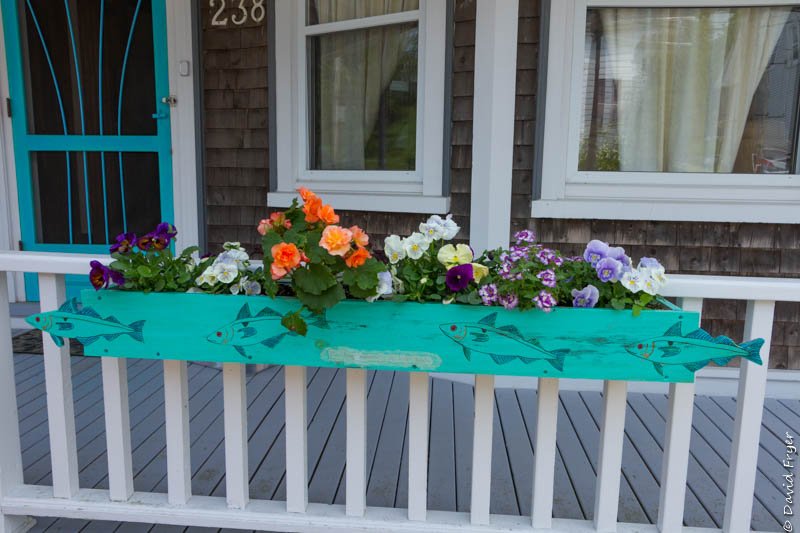
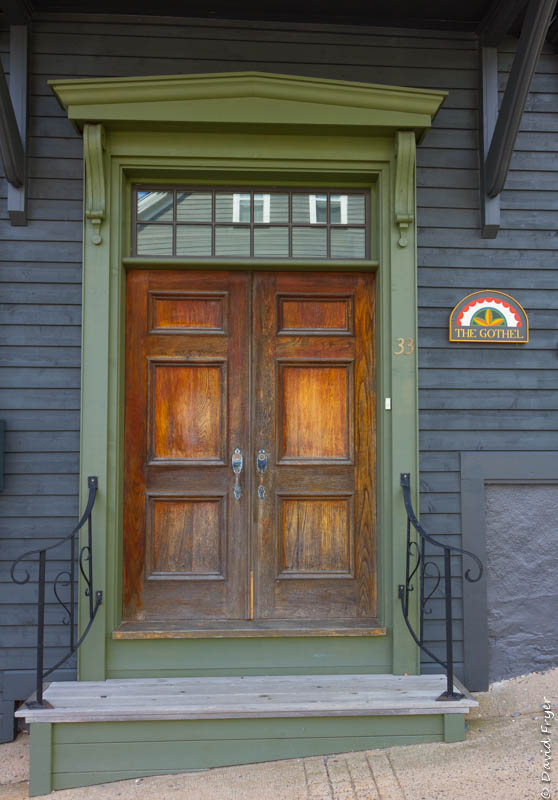
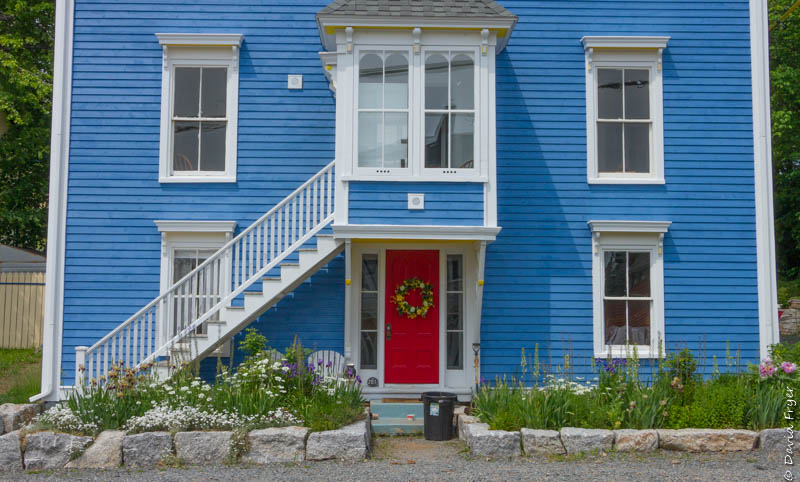
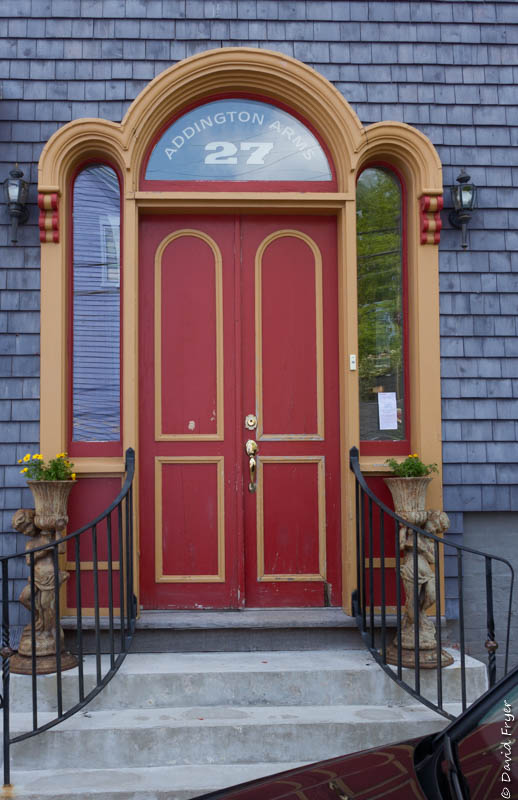
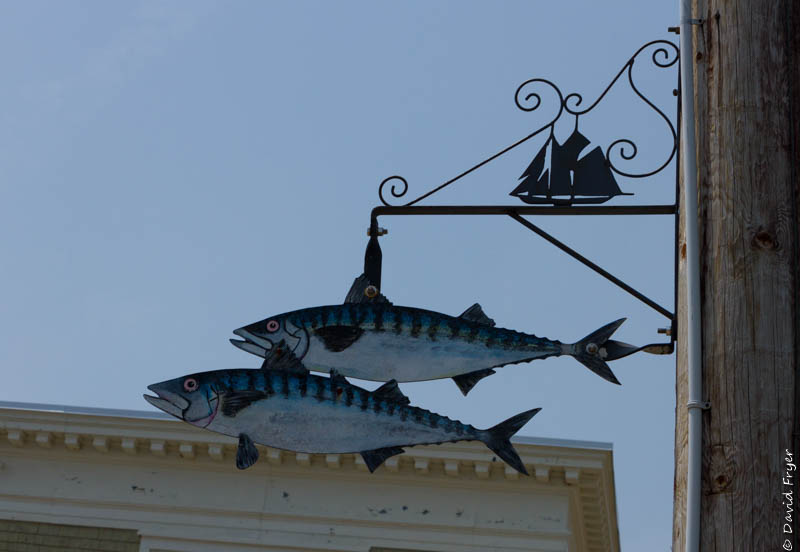
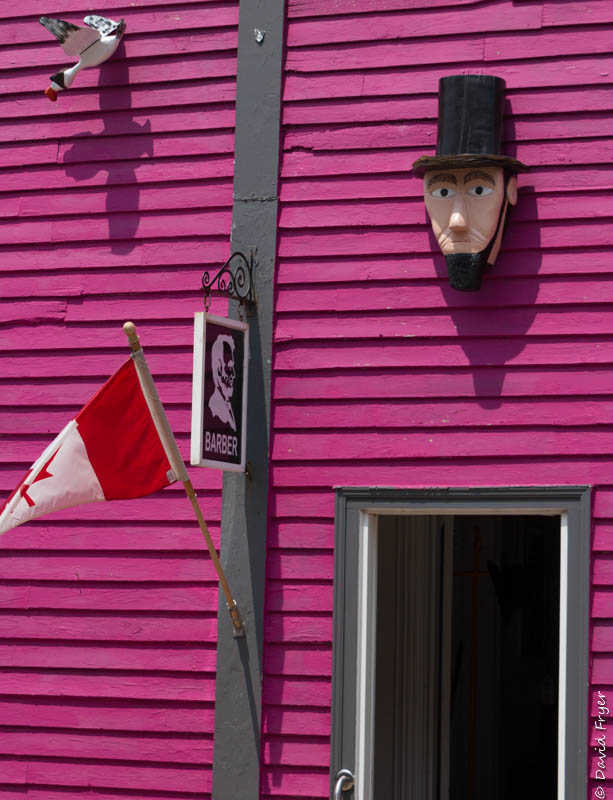
Lunenburg, with its many historic sites and landmarks and its commitment to preserving their heritage, continues to impress us. Thus far Lunenburg is our favorite town in Nova Scotia.



 Piddlin' Around
Our favorite also! Your photos are wonderful.💕
LikeLiked by 1 person
Wow. We missed it. It kid absolutely wonderful.
<
div>Randy
Sent from my iPhone
<
div dir=”ltr”>
<
blockquote type=”cite”>
LikeLiked by 1 person
I think that Pat and I would really enjoy Lunenburg. It will be on my list of places to visit once Pat retires. The interior of St. John’s Anglican Church is somewhat reminiscent of First Baptist in Wilmington, which, of course, is much newer, having been built in the mid-1800’s. If you haven’t seen the sanctuary, you might want to try to take in a worship service the next time you are in Wilmington.
LikeLiked by 1 person
I know you would enjoy this town. Thanks for commenting as we love to know folks are reading the blog!
LikeLike