
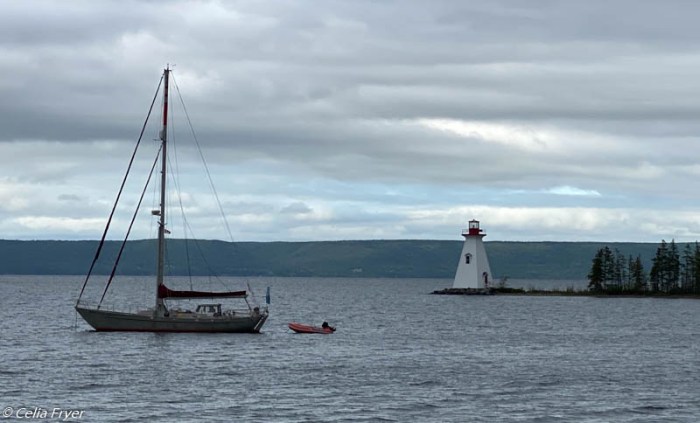
Cape Breton is in the northern part of Nova Scotia and it is actually an island. Its culture and landscape are very different from other parts of the province. It is more mountainous, which reminded us of Scotland, and there is a large Gaelic community there.
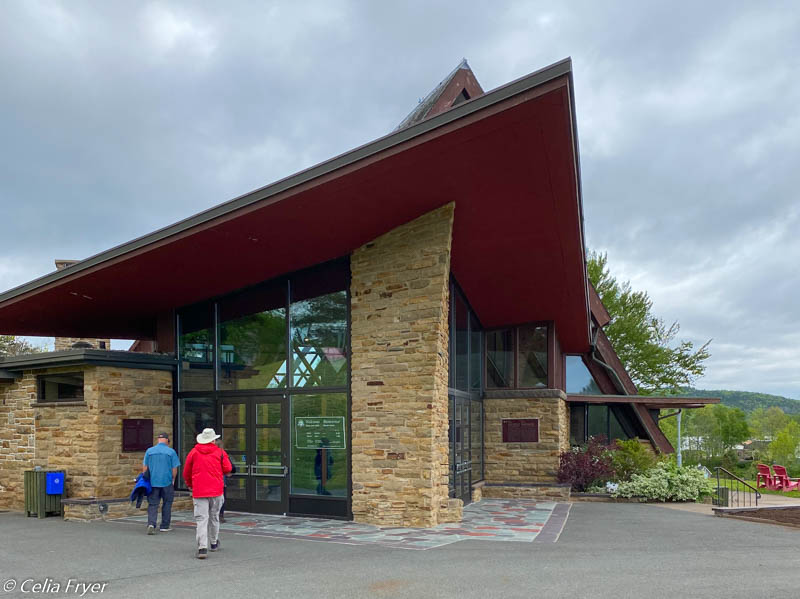
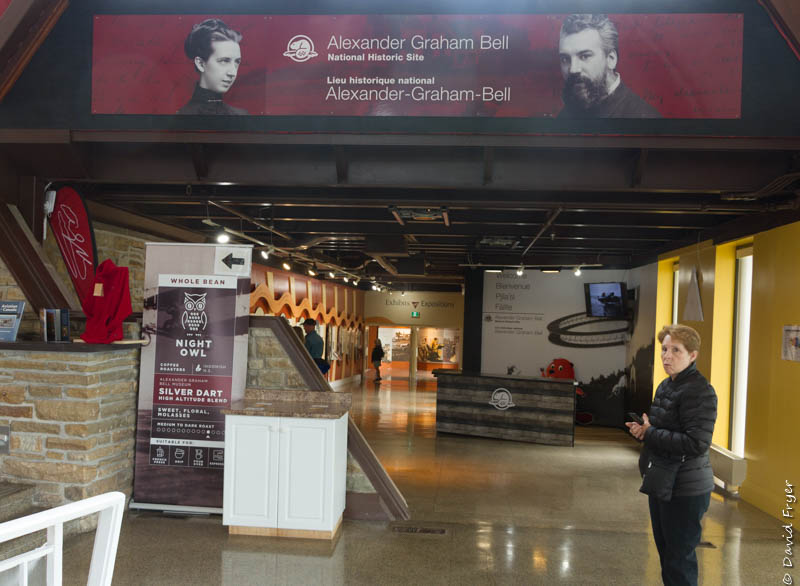
Baddeck is a small, quiet town (at least while we were there) on the Bras d’Or Lake. It has a harbor with beautiful views and a small lighthouse. The center of town has a few shops, a bakery, some restaurants, an historic inn, and one grocery store. The biggest draw to this town is the Alexander Graham Bell Historic Site. Many tour groups and school groups (we saw several while we were there) come here to learn about this famous man who also happened to be a long-time resident of Baddeck. Who knew?
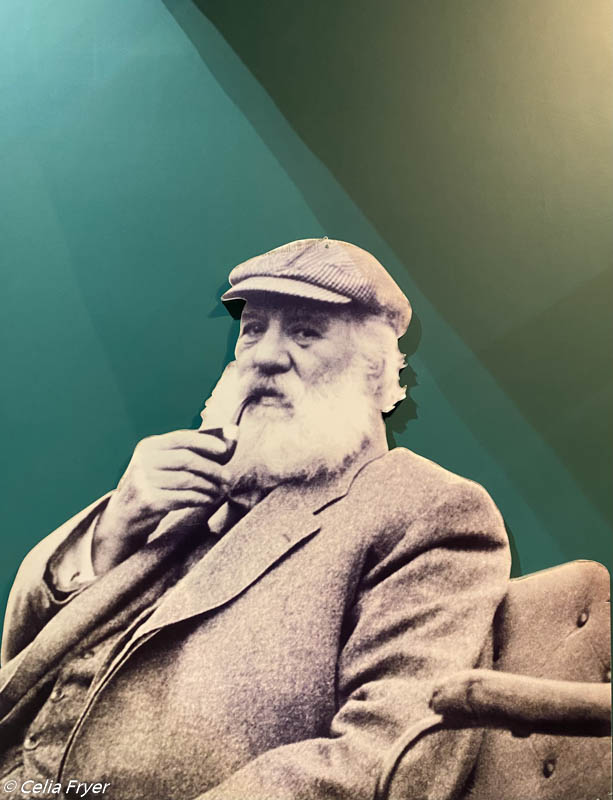
Before visiting the museum, we knew that Alexander Graham Bell invented the telephone and remembered his famous request, “Mr. Watson, come here I want to see you.” Turns out that there were lots of other things that we did not know about this famous inventor. After our visit to this museum we came away with a much deeper understanding and appreciation for this unique individual and his extensive accomplishments.
Alexander Graham Bell was a quiet, humble man whose mind was always working on projects that interested him. He was a great problem-solver and created many inventions to address those problems. He defined an inventor, and maybe himself, in these terms: “The inventor…looks upon the world and is not contented with things as they are. He wants to improve whatever he sees, he wants to benefit the world; he is haunted by an idea. The spirit of invention possesses him, seeking materialization.” Bell was a genius who made significant contributions to aviation, marine technology, audiology, genetics, and many other fields of study and, as a result, improved the lives of many.
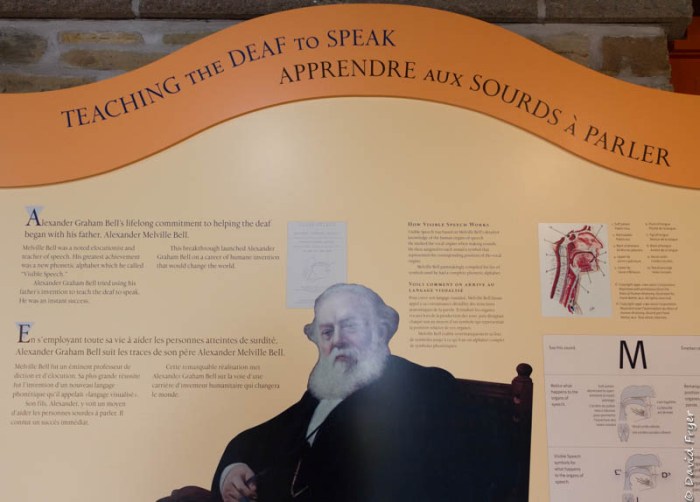
Alexander Graham Bell’s first love was that of teaching the deaf to communicate with the world around them. He helped those who were deaf to integrate into a hearing world. He followed in his father’s footsteps and trained to be a teacher. His father, Melville Bell, was a speech teacher and he created the Visible Speech phonetic alphabet. Alexander Graham Bell used this phonetic system to teach his deaf students at Warwick Gardens school in London to communicate. His success brought him notoriety in both Europe and in North America.
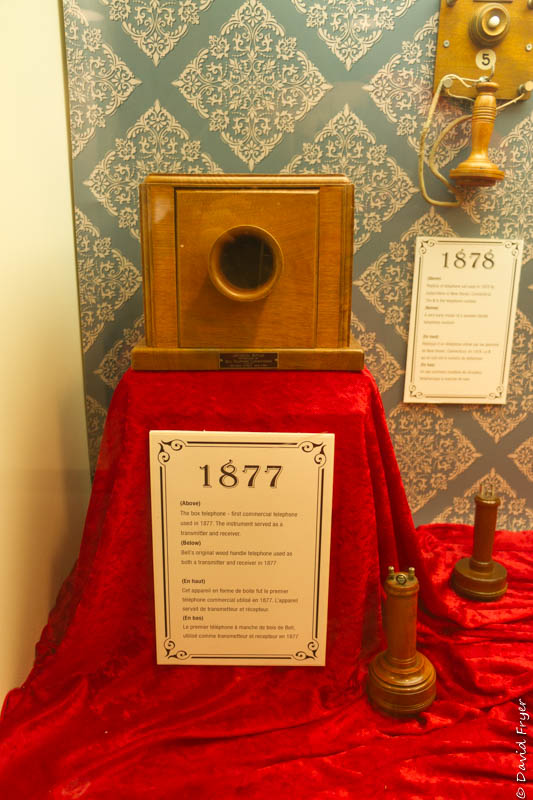
A series of tragic illnesses and deaths prompted the Bell family to immigrate to Canada in 1870. Alexander found a new teaching position as a Professor of Vocal Physiology and Elocution at Boston University. He would teach during the day and work on inventions at night. A glove with letters on it allowed students to spell out words and inventions to amplify sounds were some of his early successes. His fascination with articulation and transmission of sound led to the creation of the telephone in 1875. A year later, he received a patent and refined his invention. What we did not know was that he spent 18 years in court defending his claim as the inventor of the telephone. As a consequence of that litigation, he made a record and took photographs of all of his activities every day.
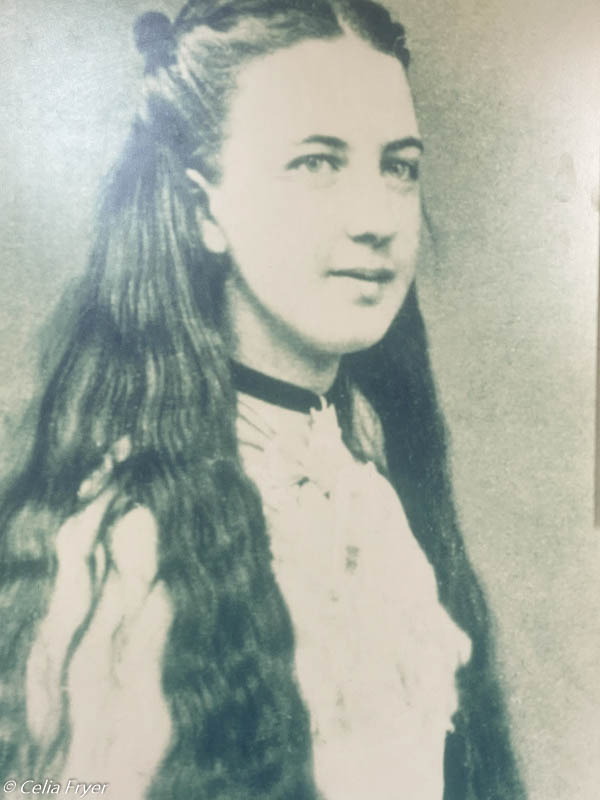
Perhaps his greatest accomplishment during this period, at least in his opinion, was that he fell in love with Mabel Hill, one of his students. She had been deaf since the age of five. They married in 1877 and she became a full partner in all of her husband’s endeavors. She not only managed the household but also played an integral role in his business enterprises.
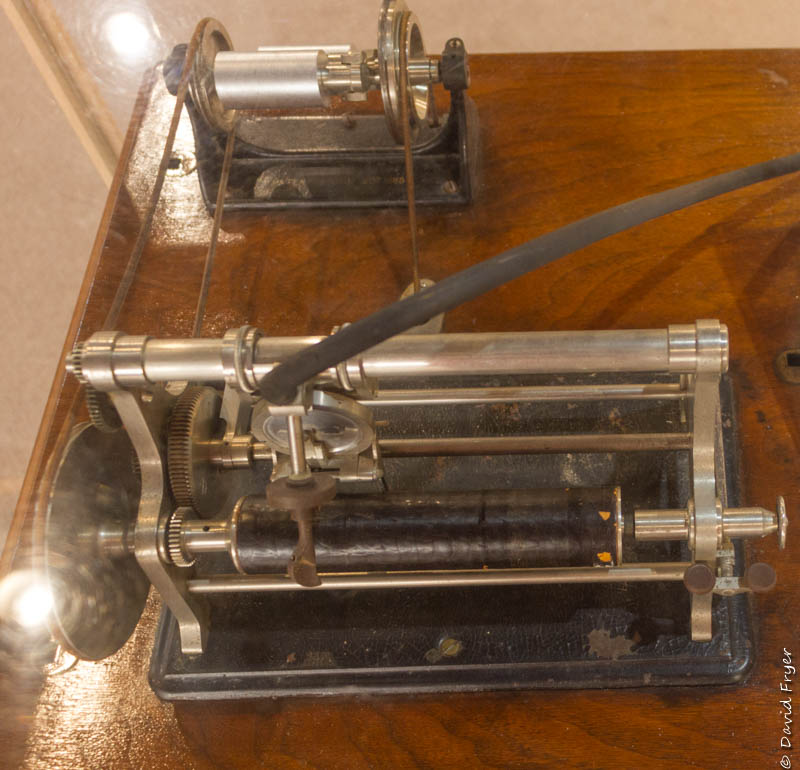
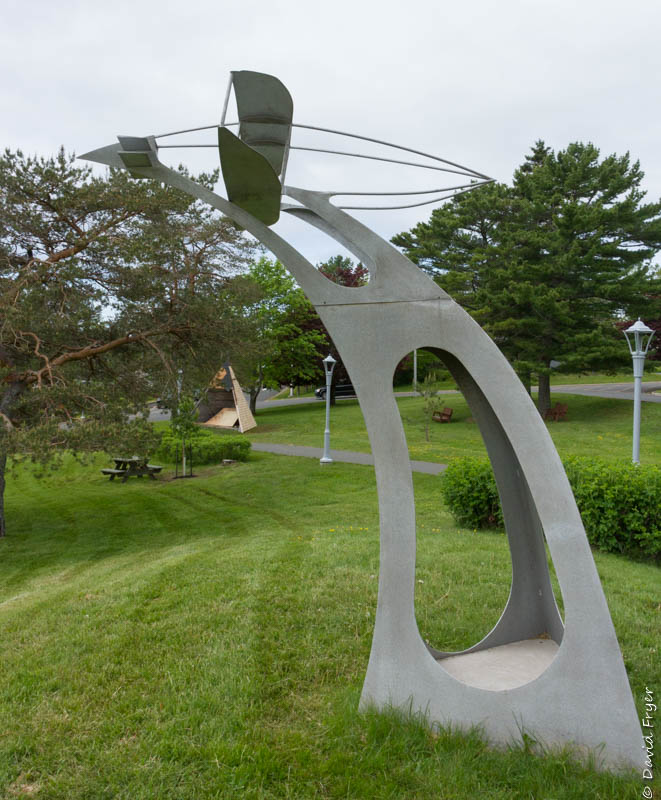
The government of France awarded Alexander Graham Bell the Volta Prize and he used the $10,000 monies to begin Volta Laboratories which focused on the development and marketing of inventions. He hired two inventors to work along side of him: his cousin Chichester Bell and Charles Sumner Tainter. Chichester Bell was a physician and professor of chemistry and Charles Tainter made scientific equipment for professors. Together they were always coming up with new inventions. Alexander Graham Bell also used some of his money to advocate for an increase in the number of teachers of speech education and day schools for the deaf. He also founded an organization called the Association for the Deaf.
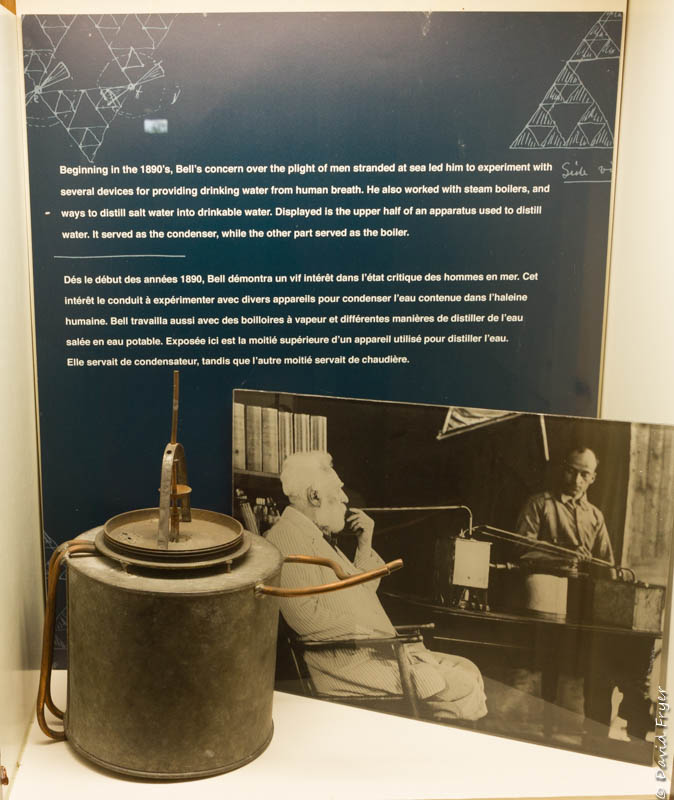
Much of this time, the Bell family had been living in Washington, DC but in 1885 Alexander and Mabel decided to make Baddeck their permanent summer home. Cape Breton brought back fond memories of Alexander’s childhood years in Scotland. While in their home, Beinn Bhreagh (“Beautiful Mountain” in Gaelic), in Nova Scotia, Alexander Graham Bell continued his scientific research which brought him great joy. A few examples are that he experimented with sheep breeding and he worked on a system to get distilled water from salt water, and he created an artificial cooling design for houses in summer. Some of his inventions are on display in the museum. He was one of the original founders of the National Geographic Society. The breath of his interests is astounding.
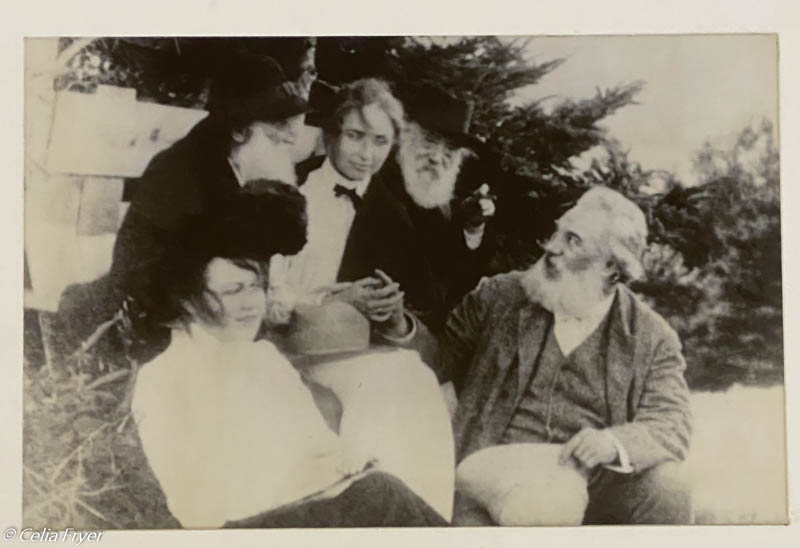
While in Nova Scotia, he would often receive renowned guests who would travel there to visit the Bell family. We were surprised to learn that Helen Keller was one and she and Alexander Graham Bell flew kites together one day.
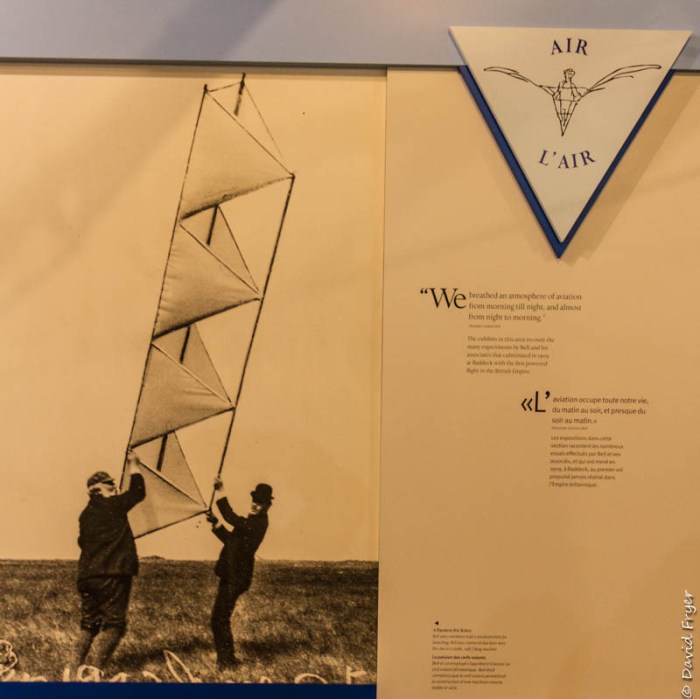
Little did we know that, in the museum, there were even larger displays and more surprises awaiting us. In 1907, Alexander Graham Bell established the Aerial Experiment Association with the goal of getting a man in the air. He joined forces with Glenn Curtiss, a motorcycle manufacturer, Lt. Thomas Selfridge, US Army, and J. A. Douglas McCurdy and Casey Baldwin were the engineers. Mabel Bell, who gave the group $30,000, was an honorary member. They built and flew four airplanes over the course of the first 18 months. They began with kites, then gliders, then a motorized plane. On Feb. 23, 1909 McCurdy completed the first airplane flight in Canada. The AEA Silver Dart flew for one kilometer over the frozen Baddeck Bay. The following day McCurdy managed 7 kilometers and the third he flew 23 kilometers. After 30 more test flights, the Aerial Experiment Association was dissolved. They had accomplished their goal. It was a remarkable feat in record time. Baddeck proudly calls itself the “Birthplace of Canadian Aviation”.
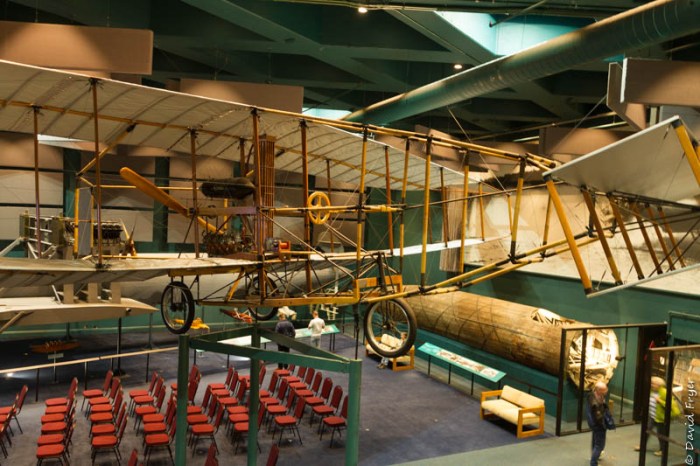
In a large section of the museum, we saw a replica of the first manned airplane flown in Canada. It hangs from the ceiling. Using Alexander Graham Bell’s notes, a group worked for years to recreate and test this replica.
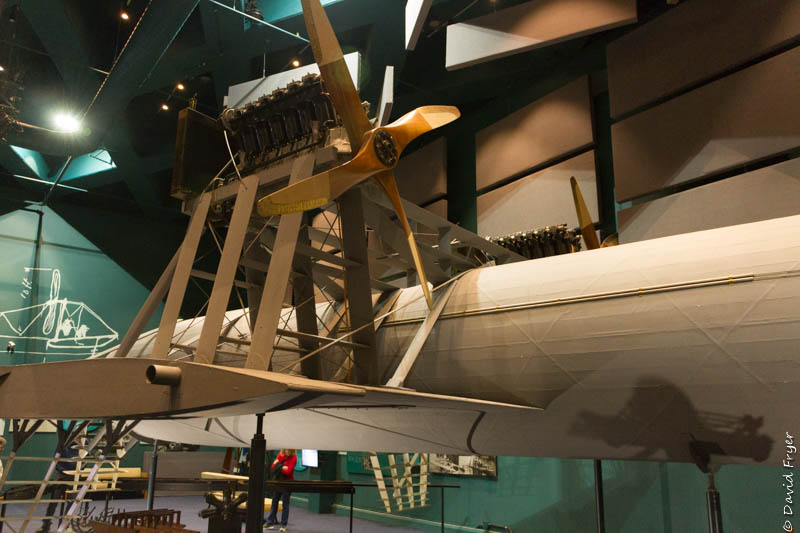
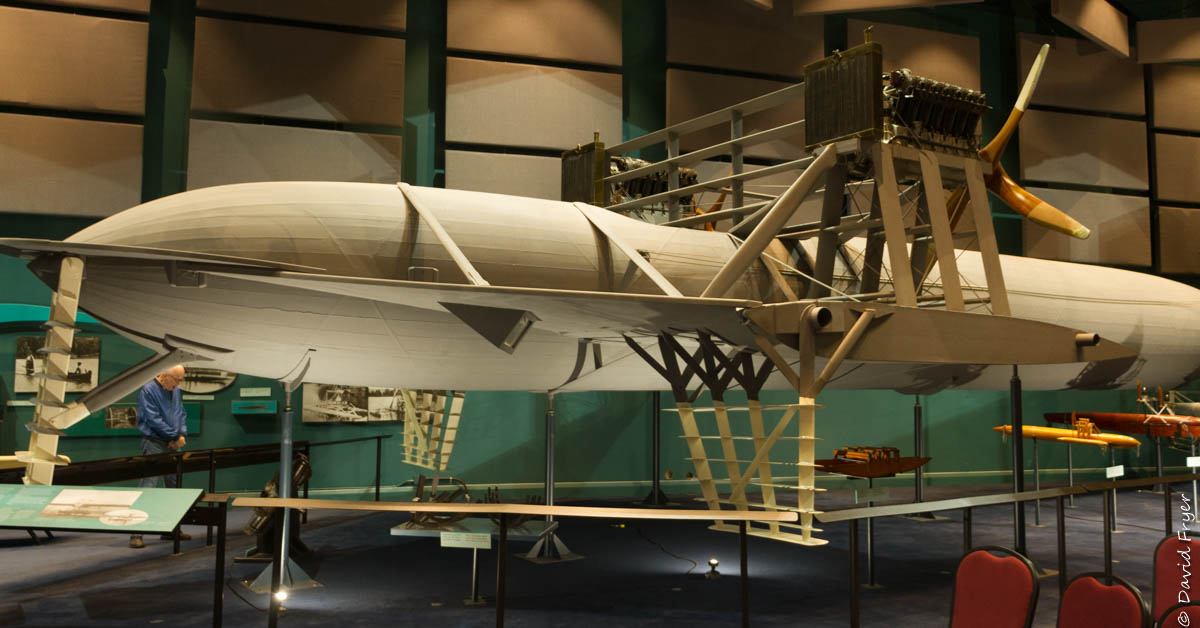
In the same area is a full-scale replica of a 1919 HD-4 hydrofoil. Alexander Graham Bell also was interested in designing some for the Navy. With the help of Casey Baldwin, they built a hydrofoil that reached a record 114 kilometers per hour. After the death of Alexander Graham Bell at age 75, Casey Baldwin continued to work on similar projects. Another interesting tidbit was that later in Baldwin’s life, he became a legislator and was instrumental in creating the Cape Breton Highlands National Park, the topic of our next post.
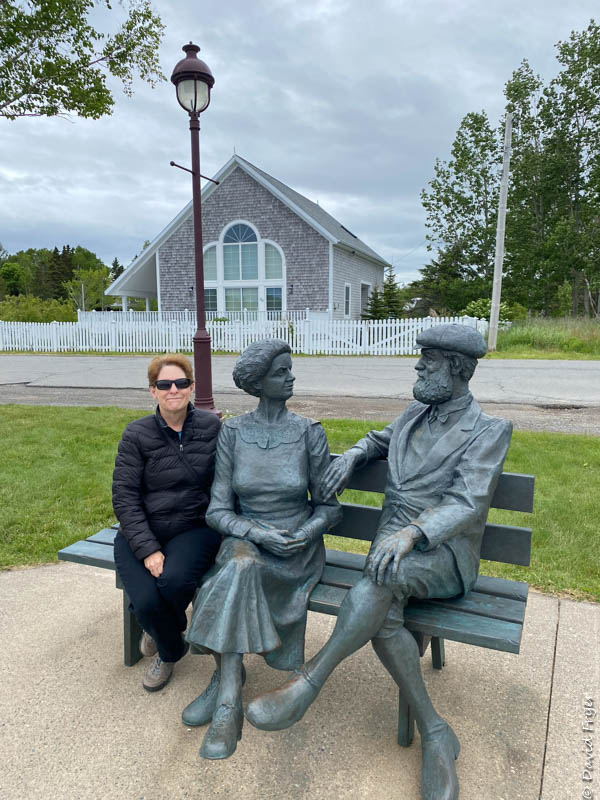
Alexander Graham Bell Historic Site honors an extraordinary scientist and humanitarian who was driven by his insatiable curiosity. We have all benefited in a myriad of ways from his remarkable innovative designs and his genius. We learned so much about Alexander Graham Bell’s life, his family and his contributions while there. We highly recommend stopping by the Alexander Graham Bell Historic Site when in Baddeck, Nova Scotia. We are sure that you will be just as amazed as we were.


 Piddlin' Around
Thank you for all of this historical information about Bell. Me husband retired from BellSouth and the only thing I knew about him was inventing the telephone. He had an amazing life.
LikeLiked by 1 person
We were amazed at all the man accomplished. Thanks for commenting!
LikeLiked by 1 person