

No trip to Cape Breton Island would be complete without a visit to the famed Fortress of Louisbourg National Historic Site. It’s a living history museum and the largest reconstruction site in North America. Here there are over 60 buildings and 2 bastions that have arisen from the ashes of the destroyed fort. Built between 1961-1970 at a cost of CAD $ 26 million, this reconstruction is a marvel in itself. This historic site reminded us a lot of Virginia’s Williamsburg in that they have taken great care to rebuild the city and its fortress to its original state in 1744. Why spend so much time and money on this particular project? Just as with Williamsburg, the Fortress of Louisbourg is an integral part of Canada’s history that they wanted to preserve.

Settled in 1713, this fishing port was a major economic hub as they exported tons of fish and cod liver oil to France. As we learned during our visit there, Catholics did not eat meat on Fridays or special holidays so they began to eat fish on those days creating a market for the fish caught off the coast of Cape Breton. There was an abundance of cod that could be dried and then transported to European markets. During this time, fishing became more lucrative than the fur trading business had been. This port was the third busiest in North America after Boston and Philadelphia.
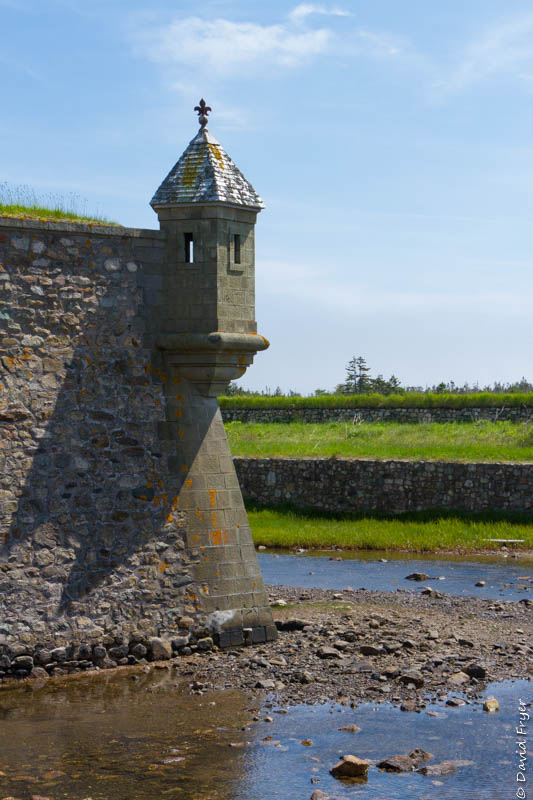
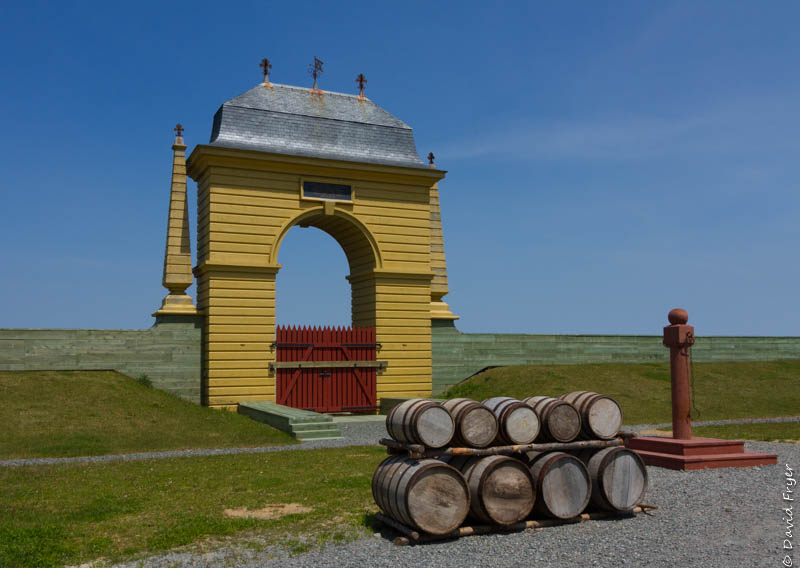
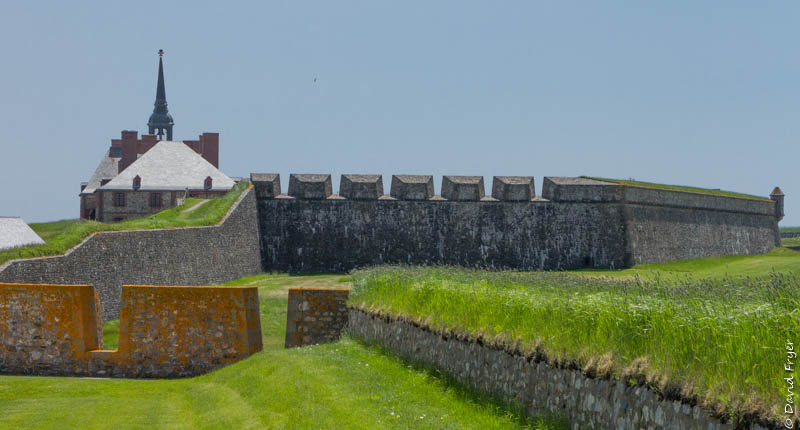
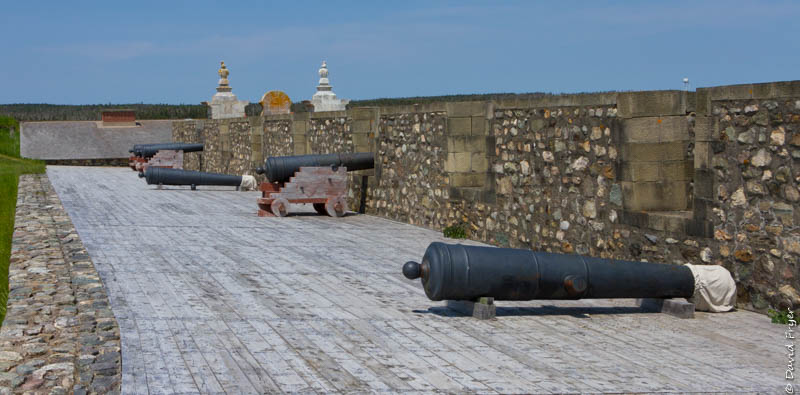
France, who controlled this part of Nova Scotia decided to build a fortress to protect themselves from British attacks. By creating a stronghold at Louisbourg, they could also control sea traffic to and from Quebec City, the most important city in New France. The construction took them 28 years to complete. Named for Louis XIV, these were the most expensive fortifications in North America.
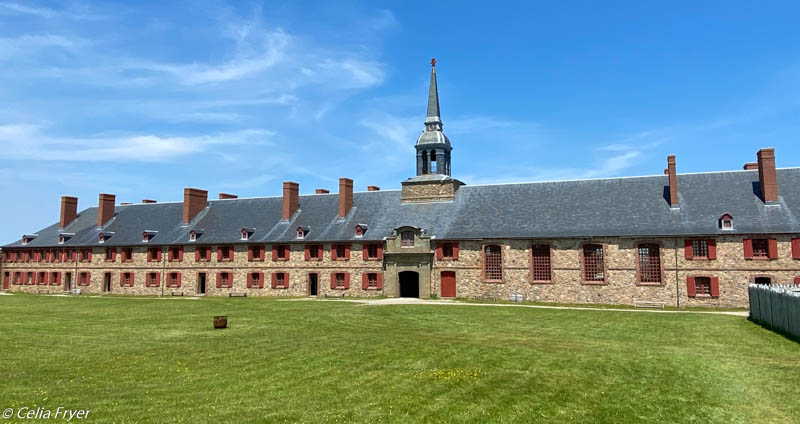
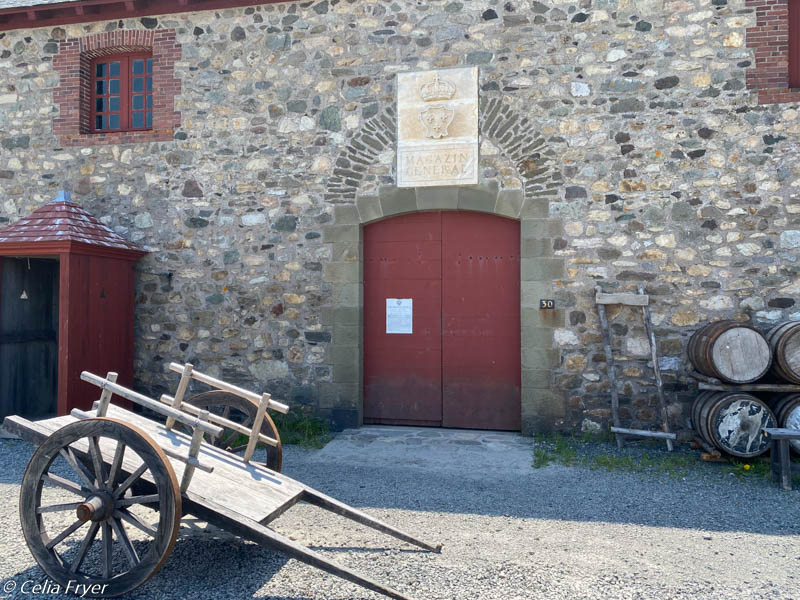
The fort, that is sometimes called “the Gibraltar of the North” due to its massive fortifications, had four main gates and 2.5 miles of walls. The fortified walls were 30 ft. tall and 36 ft. wide with a ditch around the fort and two ramparts. Within the city, there was the 360 ft. long King’s Bastion that housed the Governor’s Quarters and a Military Chapel. In addition, inside the fort’s walls, there were the homes of prominent people as well as a bakery, a forge and even a hospital. At its height over 4,000 people lived here. Interestingly, the fishermen did not live in the city but rather down by the water.

Even though the Louisbourg Fortress was impressive, the British captured the city and the fort three times (1745, 1748 and 1758). When the British acquired it the last time, they remained there until 1785. Over the course of those years, they destroyed all of the structures that the French had built.
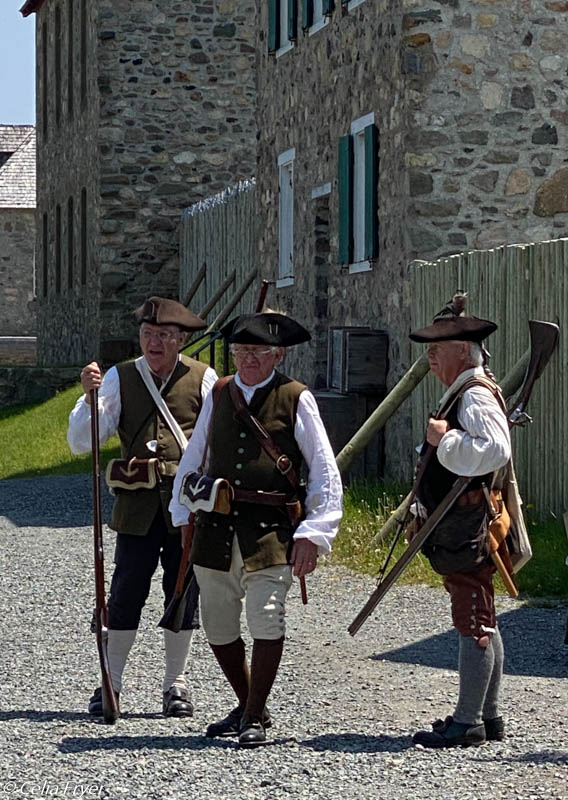
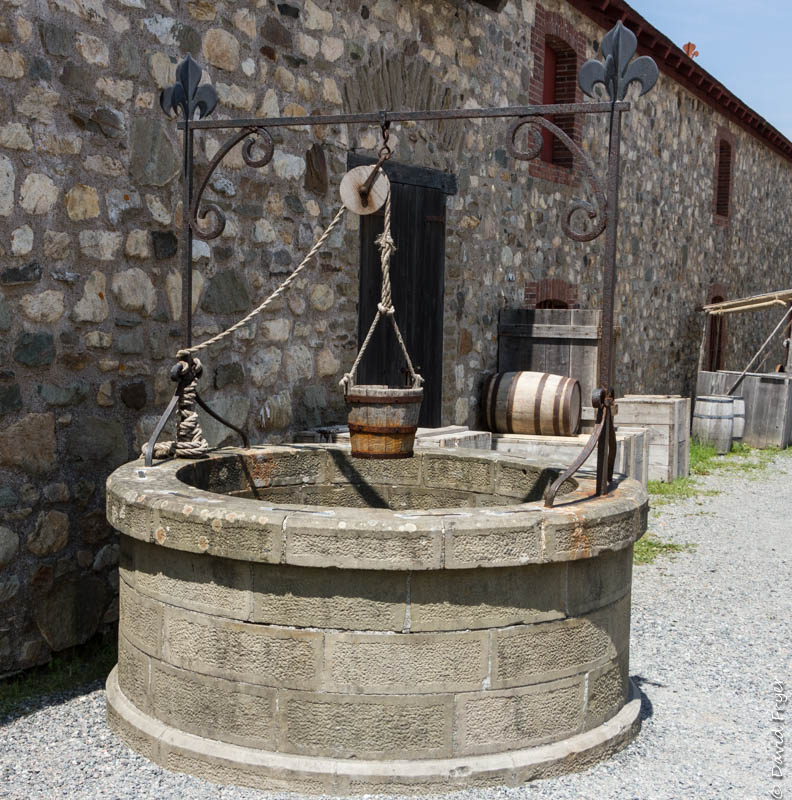
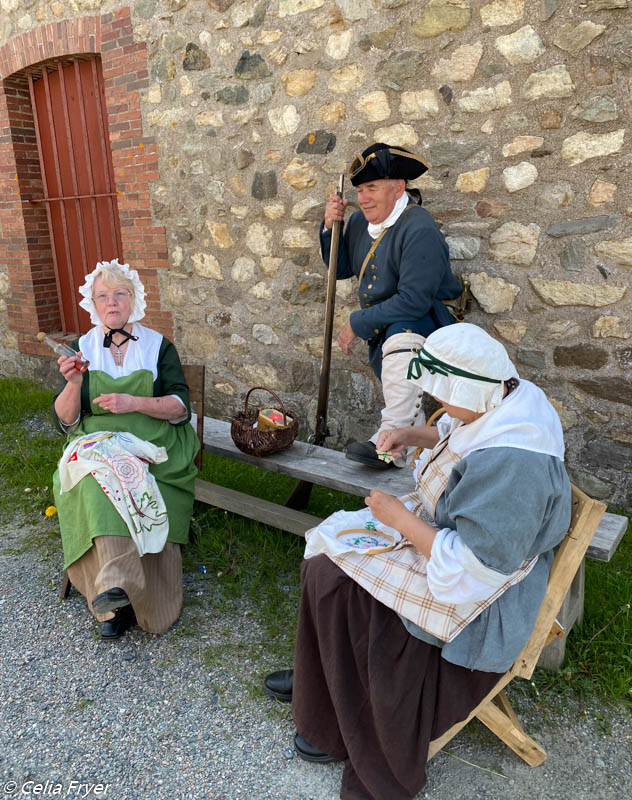
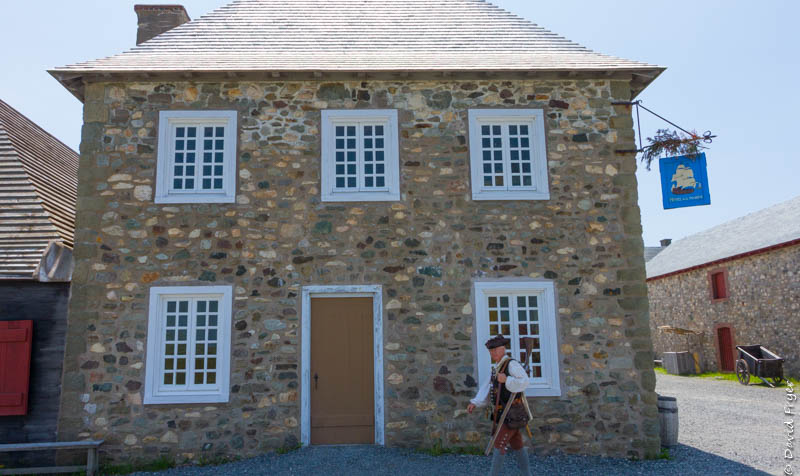
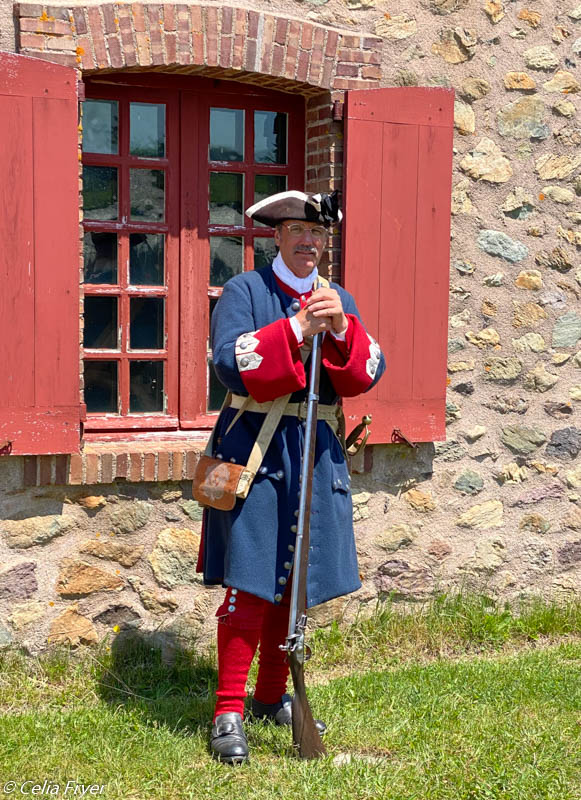
Today Parks Canada maintains the historic site. The government reconstructed ¼ of the original city and have recreated it to reflect how it would have appeared in 1744, prior to the first British invasion. There were many engineers, architects, archaeologists and historians who worked on this mammoth project. Many of the laborers, who were former coal miners, had to learn 18th century masonry skills on the job. The reconstruction of the city/fortress is truly impressive.
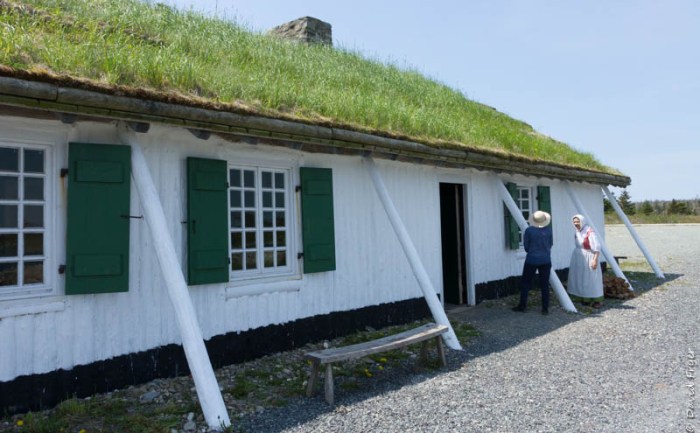
From the Visitor Center, we were shuttled to the historic site by bus. When we arrived, two interpreters dressed in period clothes met us and took us into there fishing home. After receiving some background information, we were free to explore all of the buildings. Many of them had interpreters on site to provide more insights into their lives. You could interact with them and ask them questions which they were happy to answer. Where there were no interpreters, there were audio recordings to give us the highlights.
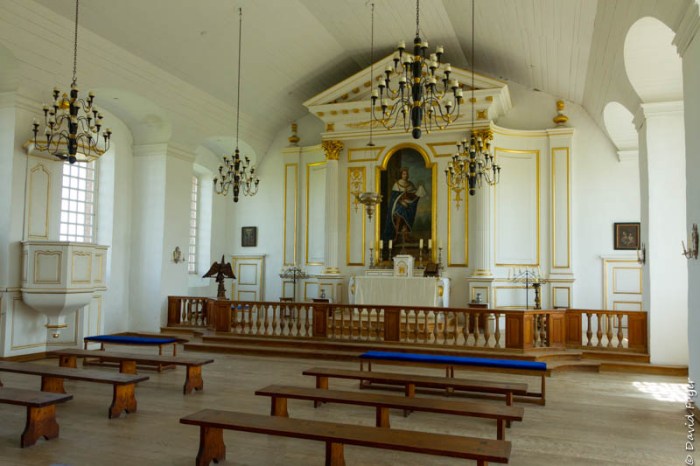
There were so many buildings to visit. A few of our favorites were:
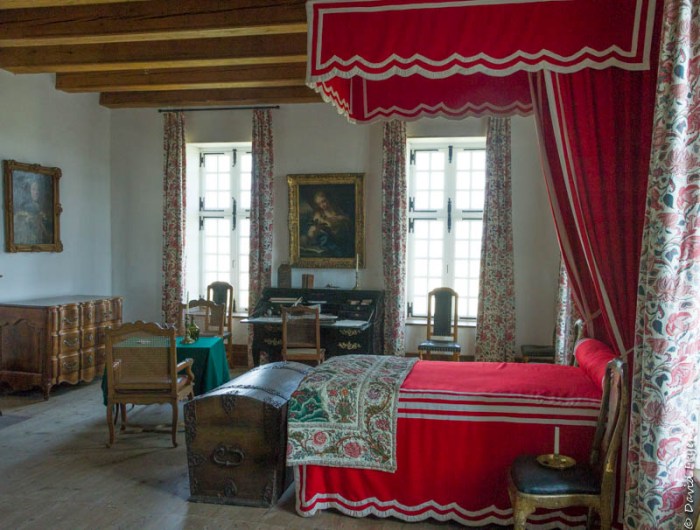
The King’s Bastion with its finely appointed Governor’s Quarters and the lovely Military Chapel.
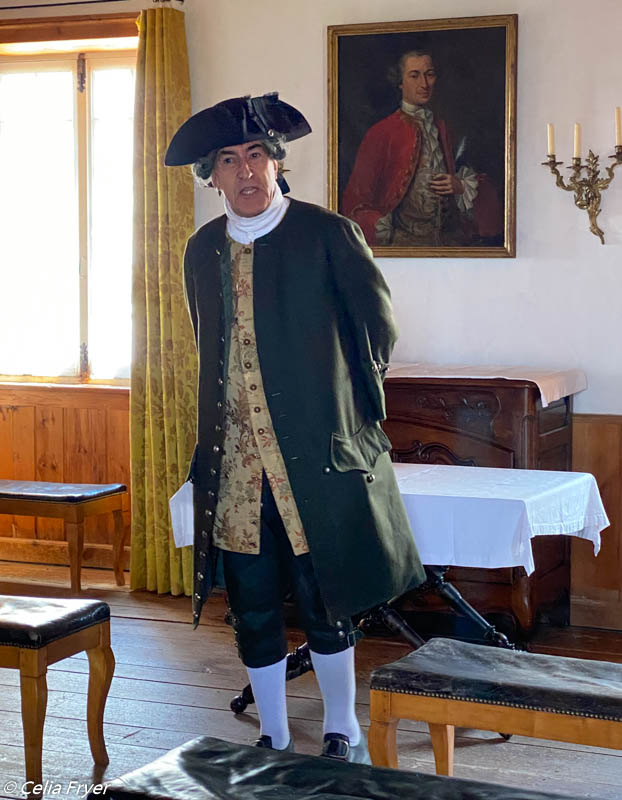
The Engineer’s House was informative since he was in charge of protecting the fort. He also talked about the difficulties of living in Louisbourg at that time.
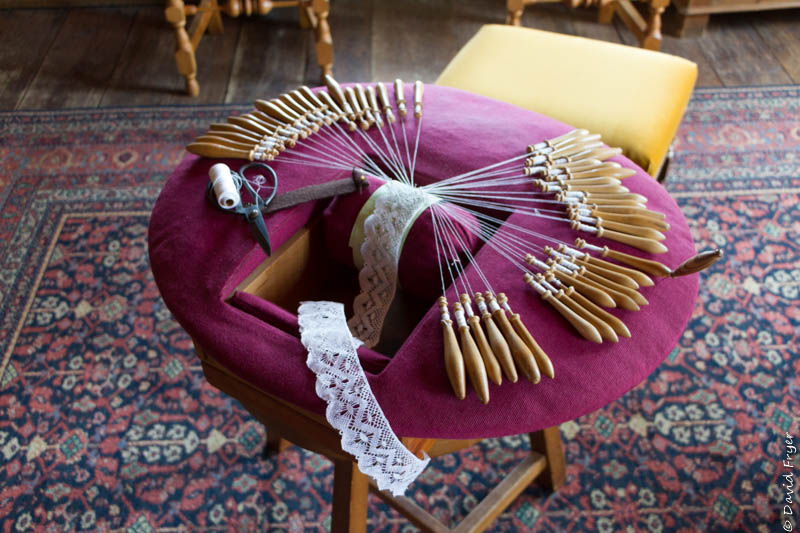
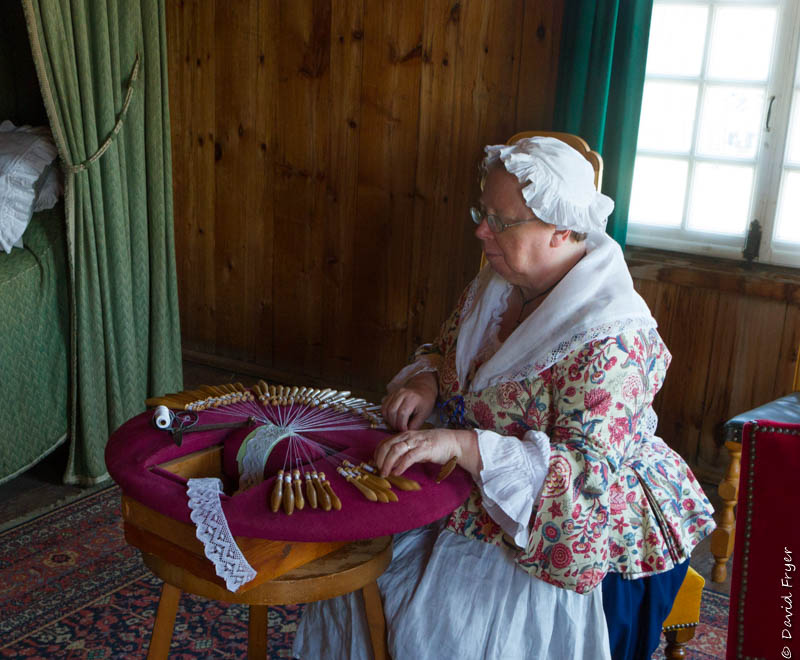
In one of the homes of a prominent person we talked to a woman who showed us how to make bobbin lace. It seemed very difficult and complicated to us but she made it look easy.
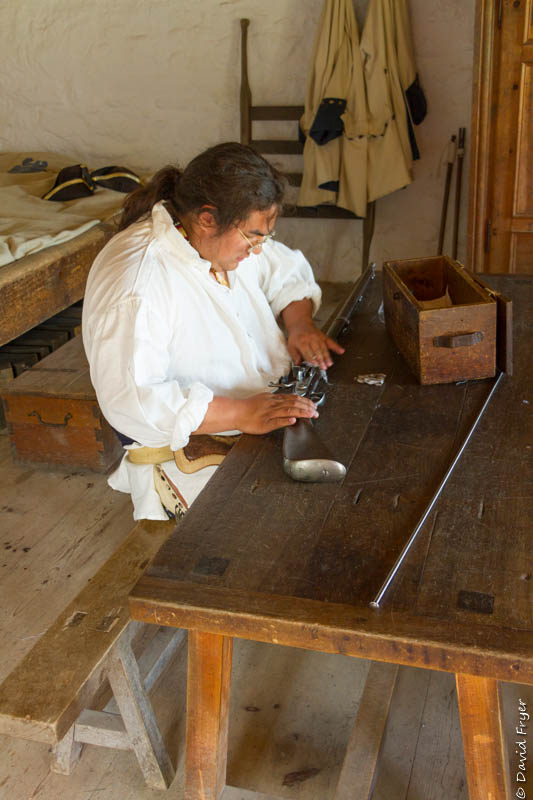
Inside several of the buildings there are excellent exhibits about how the fortress was rebuilt and how the Mi’kmaq First Nations people interacted with the French and how they are trying to preserve their culture today.
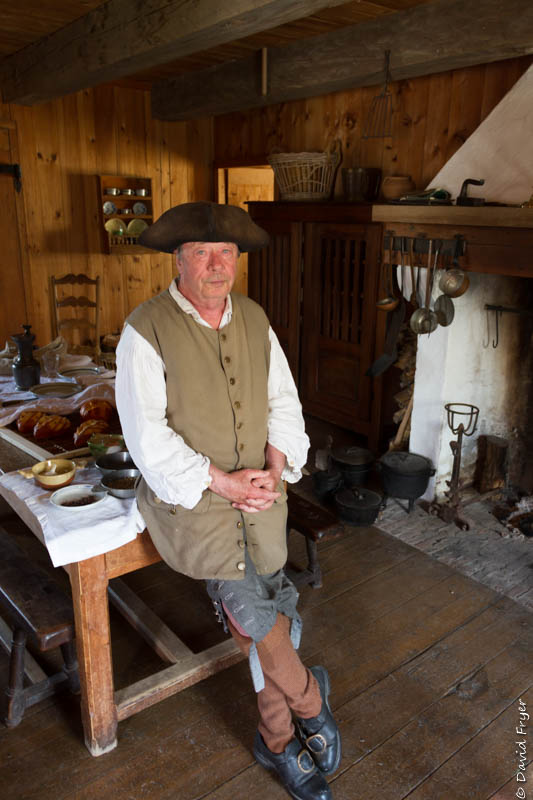
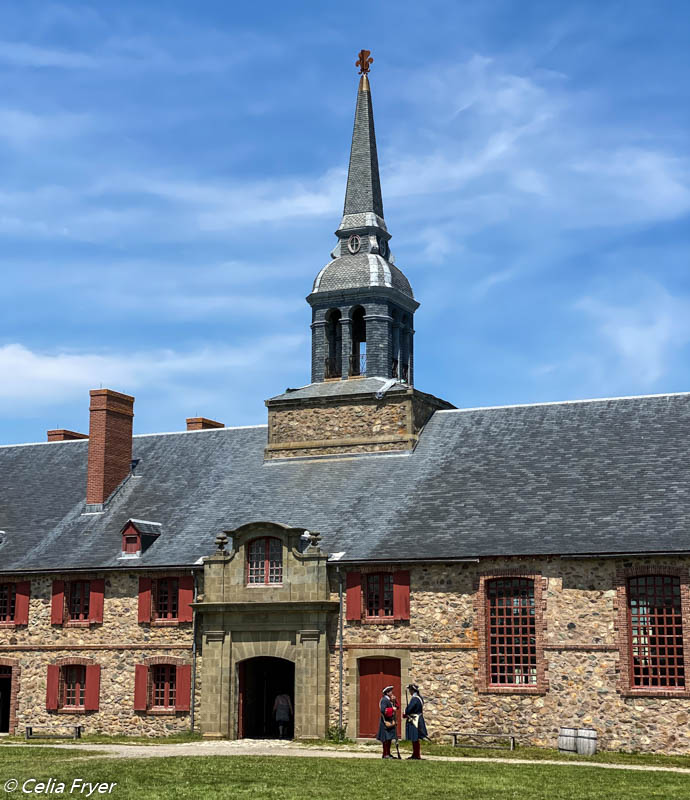
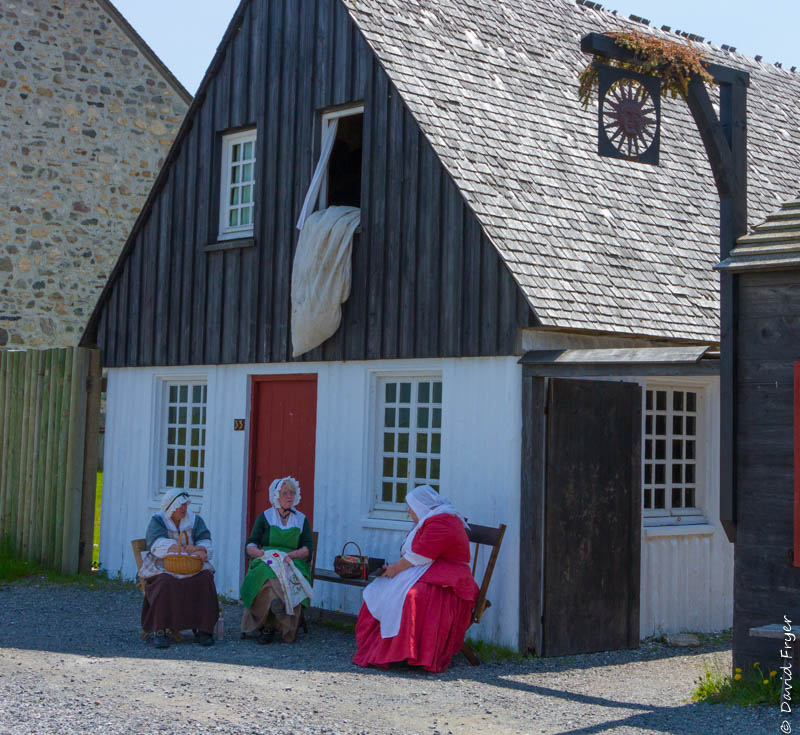
Our day trip to the Louisbourg Fortress was amazing. The scale of the reconstruction, its authenticity, the interpreters and the educational displays were impressive. We highly recommend a visit to the Fortress of Louisbourg National Historic Site.
If you do go, be aware that it can be much cooler at the fort. Temperatures can be 10° colder near the water than it is at the Visitor Center so come prepared with a jacket, even in summer. We were glad we did.
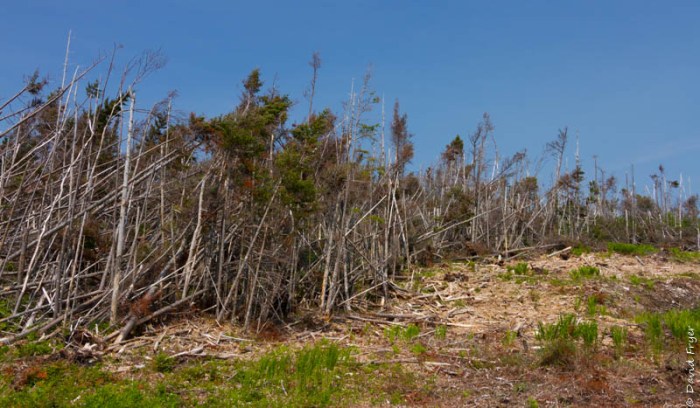
Also, when you come, you will see some of the damage left by Hurricane Fiona. Parks Canada had to do some major repairs to the historic site after the storm came through the area. There are still trees near the parking lot that have not been removed.
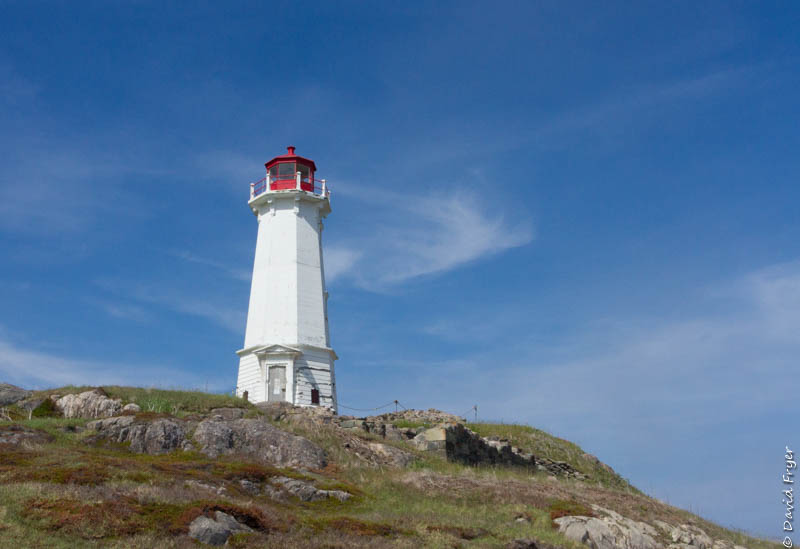
Since we love lighthouses, we leave you with a photo of Lighthouse Point which is across the harbor from the fortress.

We have enjoyed our time in Cape Breton. Next we start making our way to Prince Edward Island.

 Piddlin' Around
I’ve been enjoying all your posts from Nova Scotia. Looks like Parks Canada has done a great job of maintaining this historic site. I really like your photos of the people in costumes. Were they volunteers?
LikeLiked by 1 person
They have done an amazing job and continue to improve the site. While we did not ask the question about employment, we believe that there are paid staff and also volunteers. There are numerous interpreters though out the town and they all were very knowledgeable. There is even places where you can spend the night.
LikeLiked by 1 person