

As the water in the Bay of Fundy moves north, it is funneled into two bays: the Chignecto and the Cobequid. At high tide the water from the bay pushes the out flowing river water back upstream. This phenomena is a tidal bore and it happens twice a day in several places along the Bay of Fundy. For a tidal boar to form, the river must be shallow and it must have a flat riverbed. Tidal boars can travel at a rate of 10 mph, so it moves very quickly. We have seen two tidal bores while we have been in Canada. The first was along the Petitcodiac River in Moncton, New Brunswick and the second was along the Salmon River in Truro, Nova Scotia. The one in Moncton was more impressive than the one in Truro. To see the river reverse course was truly a sight to behold. We were glad that we got to see this phenomena.
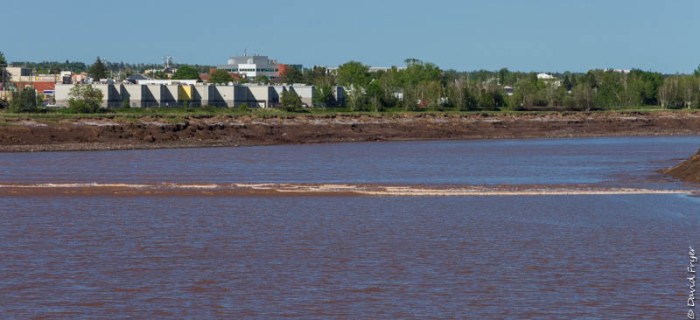
We spent some time in the city of Moncton. This was the last large town for a while and we needed to stock up before we entered Nova Scotia. If you are headed to any of the other Maritime provinces, you will probably pass through this city.
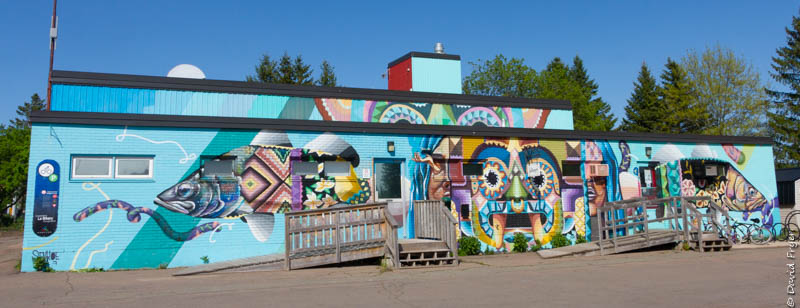
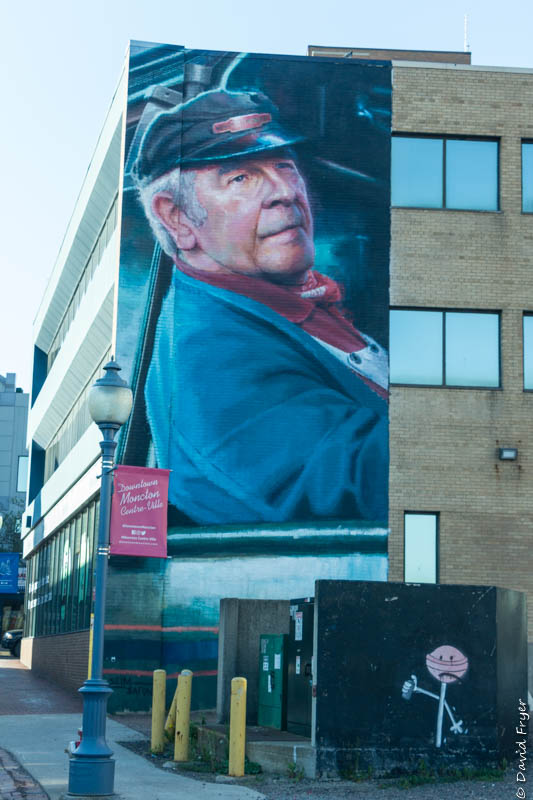
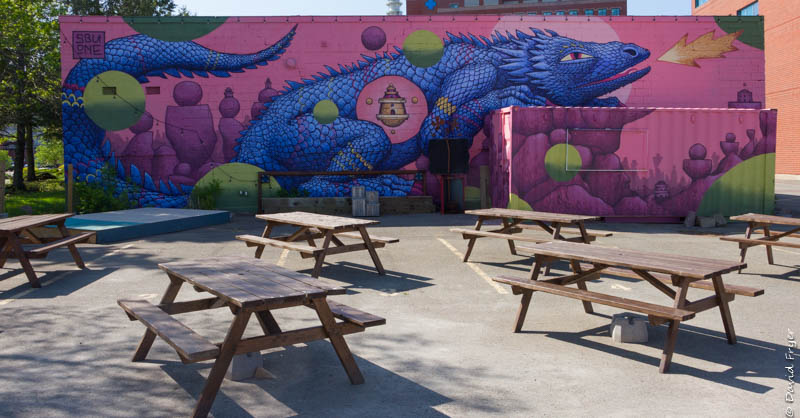
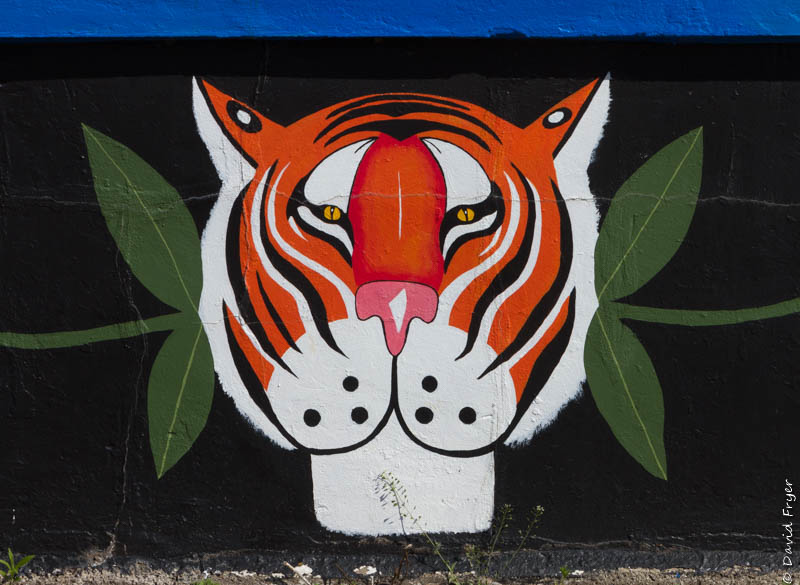
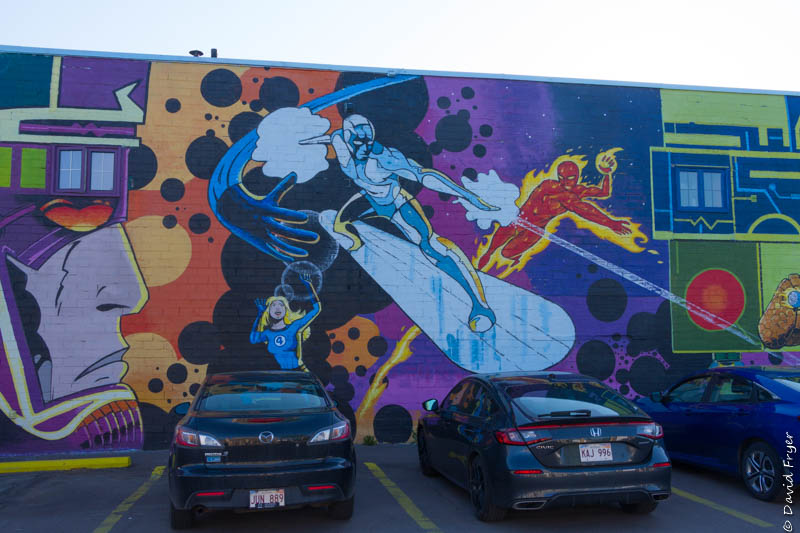
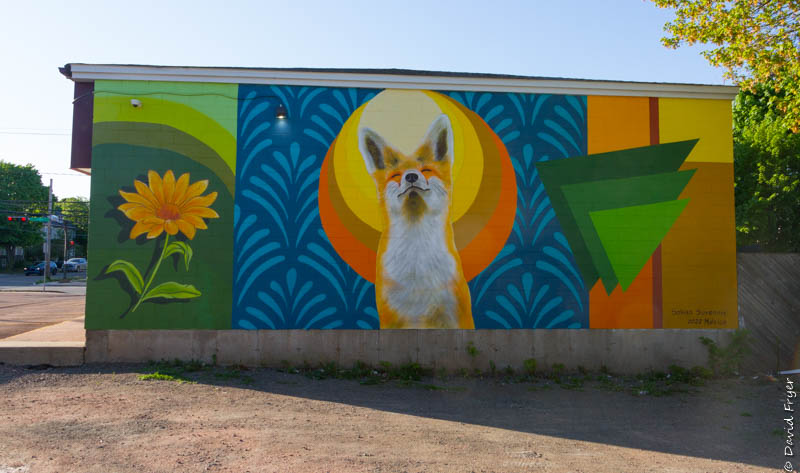
Because of its central location, it is the most populous city in New Brunswick, and its nickname is the “Hub City.” It is the fastest growing city in the Maritimes as well.
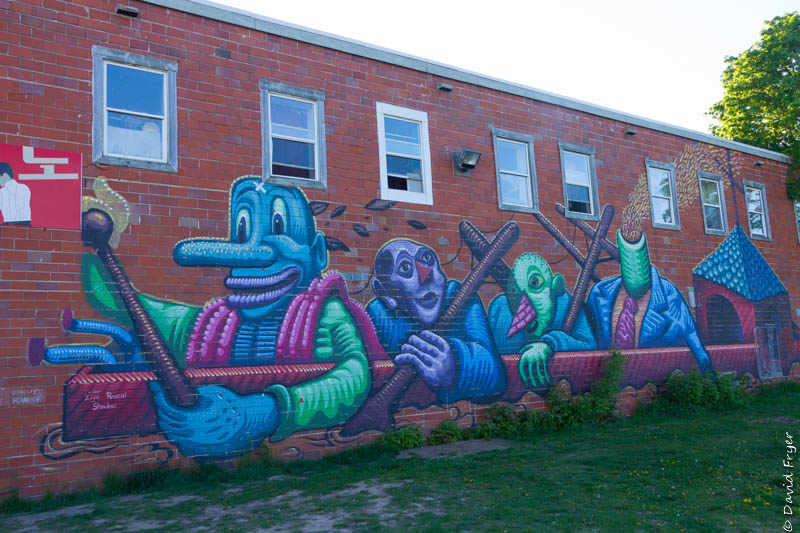
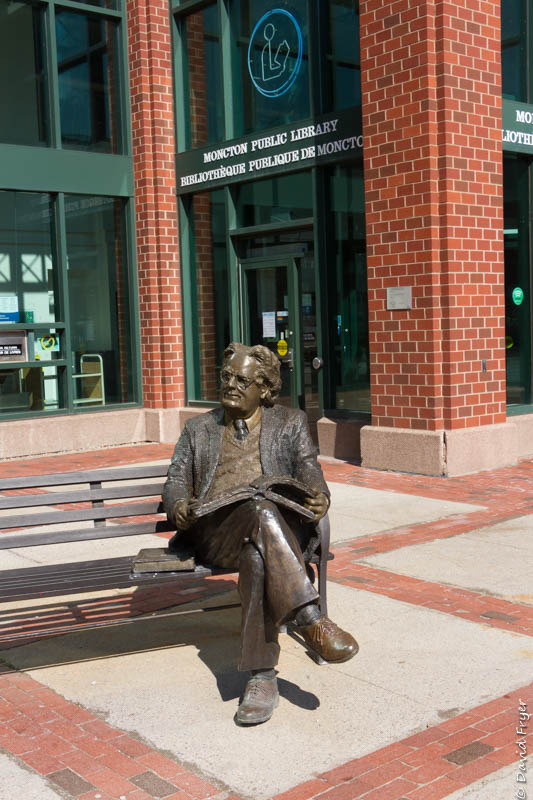
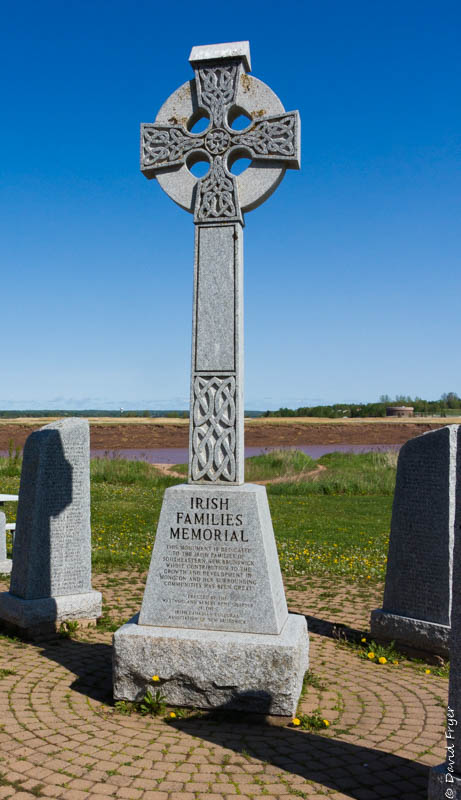
Moncton has been a bustling city and a hub of commerce since 1847 when Joseph Salter, who owned a saw mill, took control of the shipyard as well. Moncton became very prosperous and Mr. Salter was its first mayor. The shipyard business declined once railroads and steamships became popular. Nevertheless the city continued to thrive. We spent some time walking around the city and its river walk area. There are some nice murals and sculptures that add color and character to downtown.
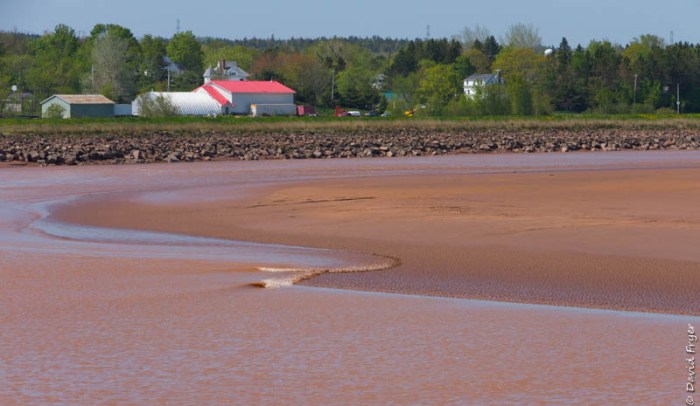
Our next stop was the city of Truro in Nova Scotia. One of the first things that we did, as mentioned above, was to go see the tidal bore. We also wanted to go to the famed Victoria Park but we were not able to go there because of the dreadful wildfires that were burning out of control in Nova Scotia. The provincial authorities had issued a fire ban and a ban on entering any wooded area which meant that all trails were closed. Conditions were very dry and firefighting resources were stretched to their limits so they did not want anyone to accidentally start another fire. Firefighters were coming from the U.S. and other provinces to help. We certainly understood but were disappointed that we did not get to see this wonderful park. Maybe we can see it later as we will have to go back through Moncton when we depart Canada.
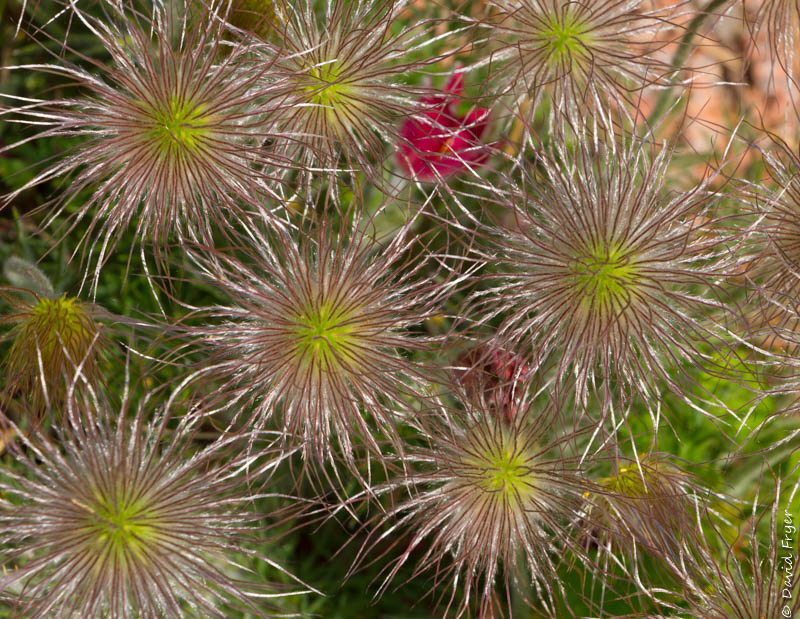

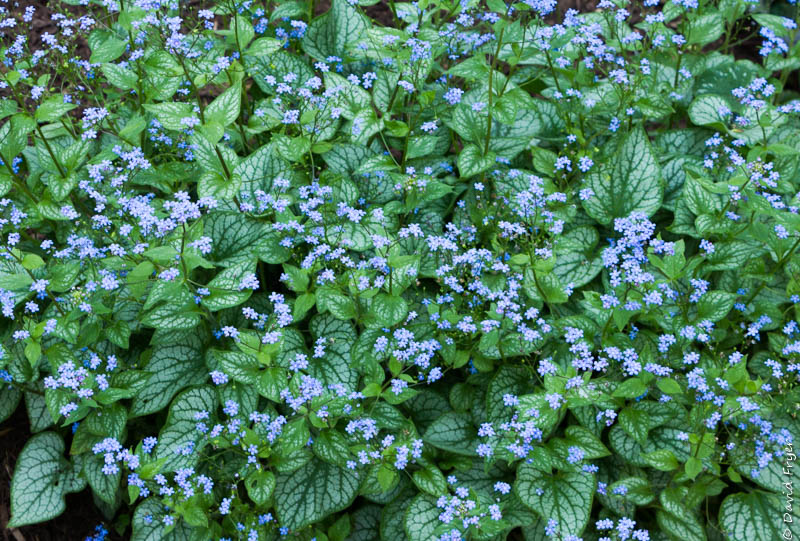
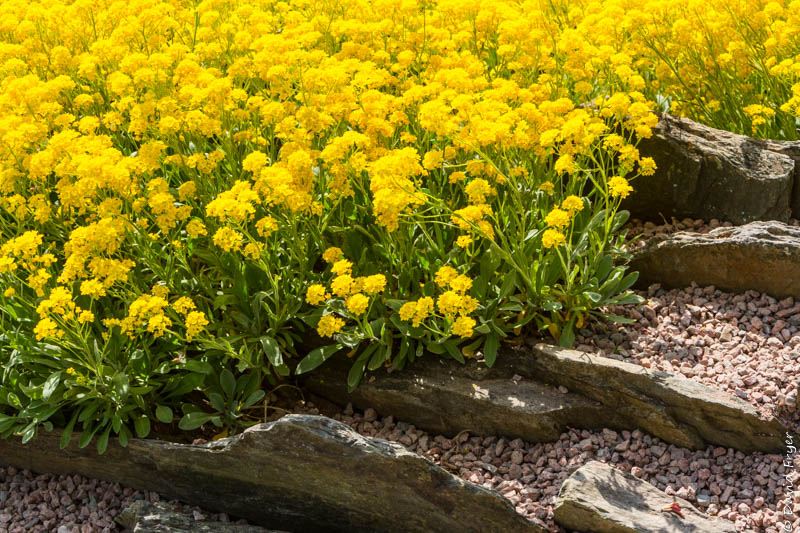
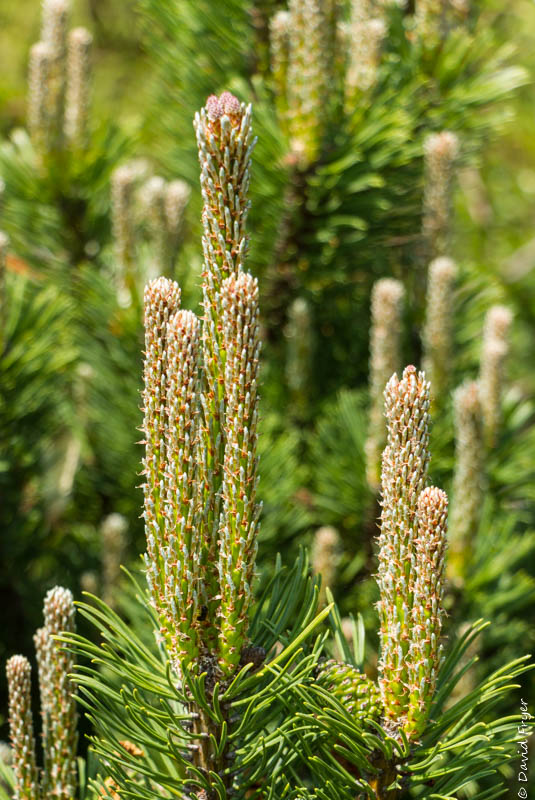

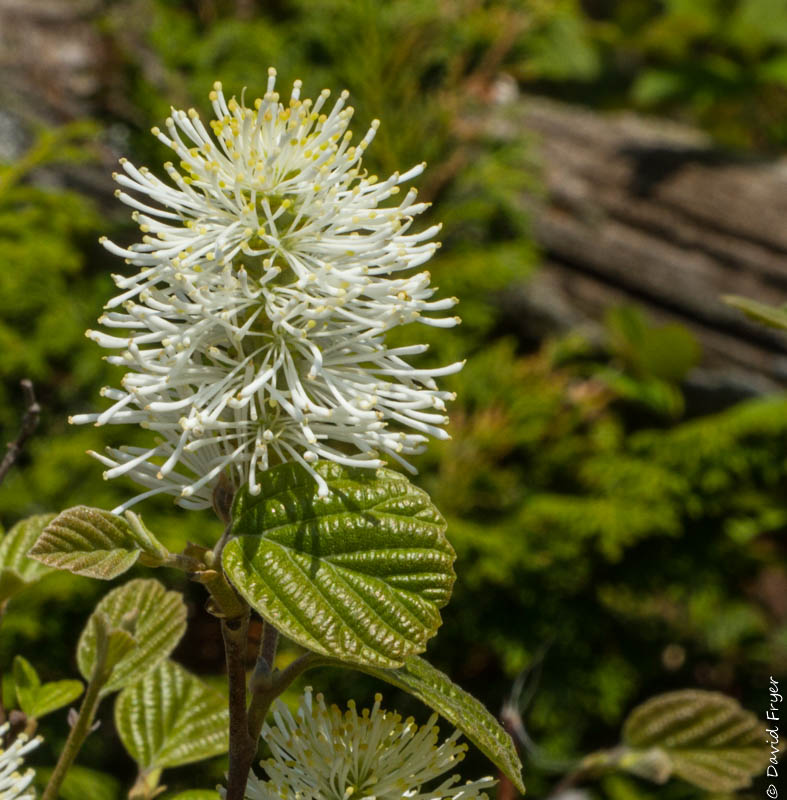
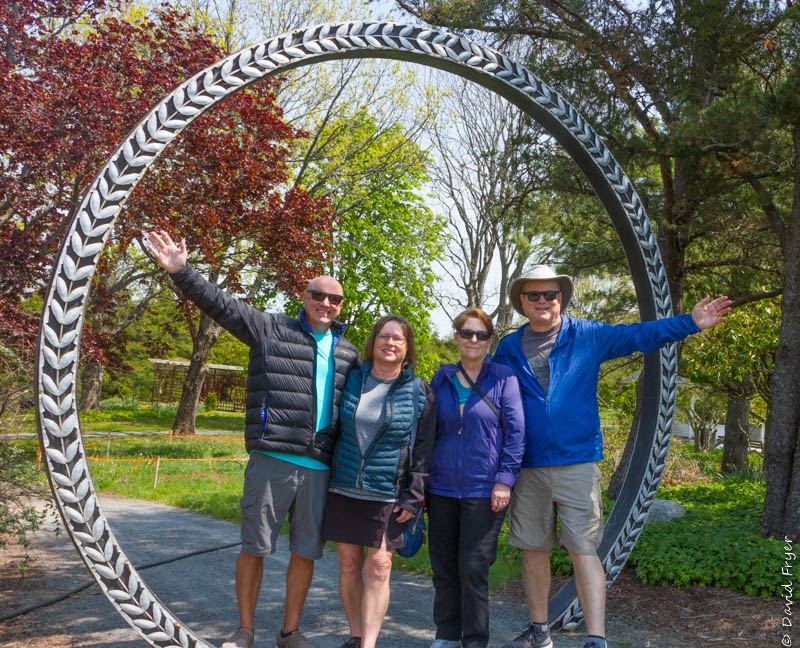


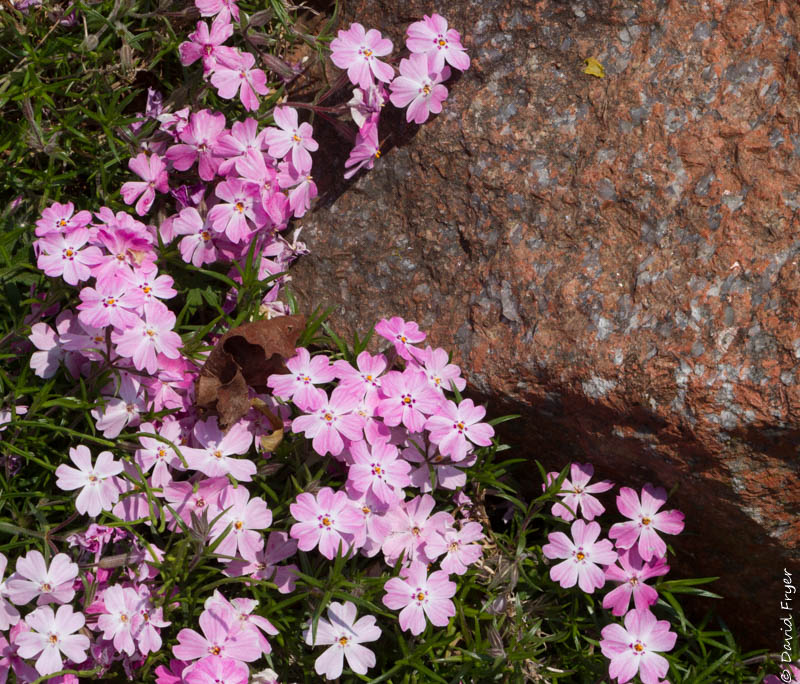
We consulted with the helpful folks at the Fundy Discovery Site where we saw the tidal bore and they recommended several other places for us to visit. One of them was the Rock Garden on the Dalhousie Agricultural Campus. This half acre garden was developed with a wide variety of plants arranged in an aesthetically pleasing fashion. It was a gift from the Friends of the Garden, an organization of 25 volunteer gardeners who maintain this specialized habitat. It also serves to train some of the students who have an interest in horticulture. We saw several of them working on the gravel pathways and the flower beds during our time there. The Rock Garden and the Alumni Garden were both fun places to spend some time.
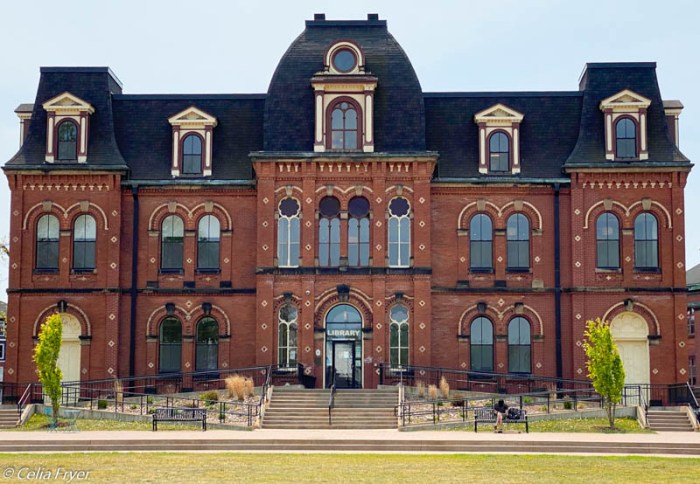
Downtown Truro was another interesting place to explore as many of the buildings are quite old. The town was incorporated in 1875 and many of the structures were constructed soon after. The city has a magnificent public library in the heart of the city. The building, erected in 1877, was the site of the Old Provincial Normal College. This College trained Nova Scotia teachers for 83 years. When they built some new facilities, the public library moved into this space.

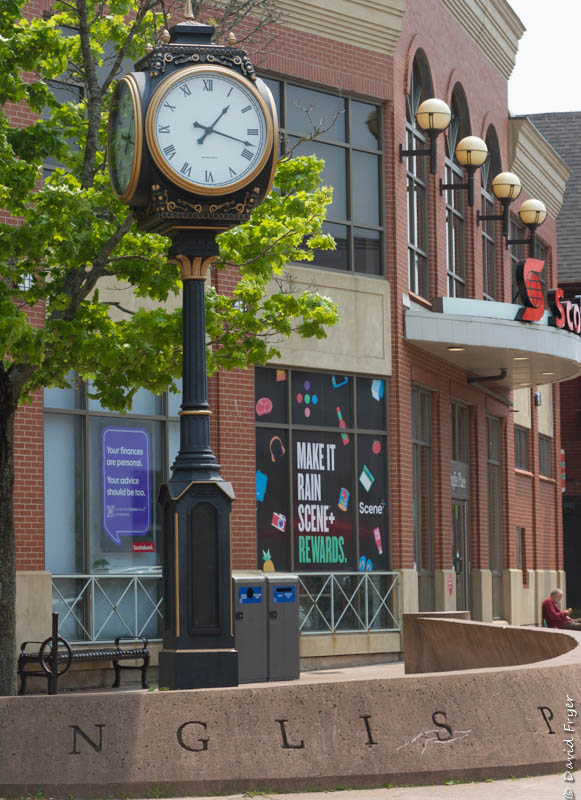



The fire station and many churches were also constructed during the same period. The post office, built in 1884, is an excellent example of Victorian design. There are also many beautiful homes in Truro as well. Just walking around downtown is a treat!
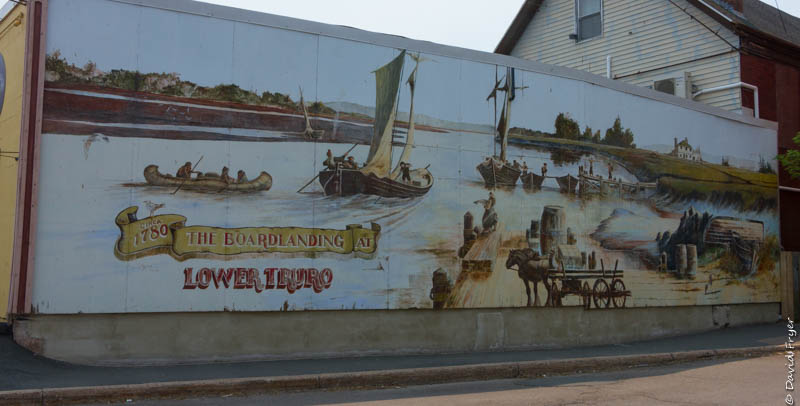

In the center of the city there are several murals that depict different significant moments in the town’s history from the arrival of the first settlers to the mid-1930s.
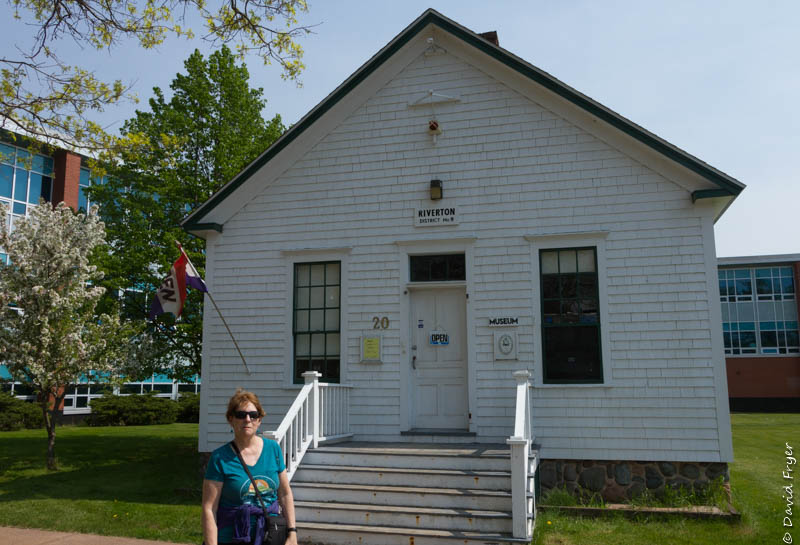

On the site of the current Nova Scotia Community College is the Little White Schoolhouse Museum. This provincial school building was moved to its current location from Digby County. As you enter the museum, you step back in time. The artifacts in the one-room schoolhouse give you an idea of what education was like in the 19th and 20th centuries in the Maritimes. There is additional information about the first Provincial Normal College and some of its graduates.


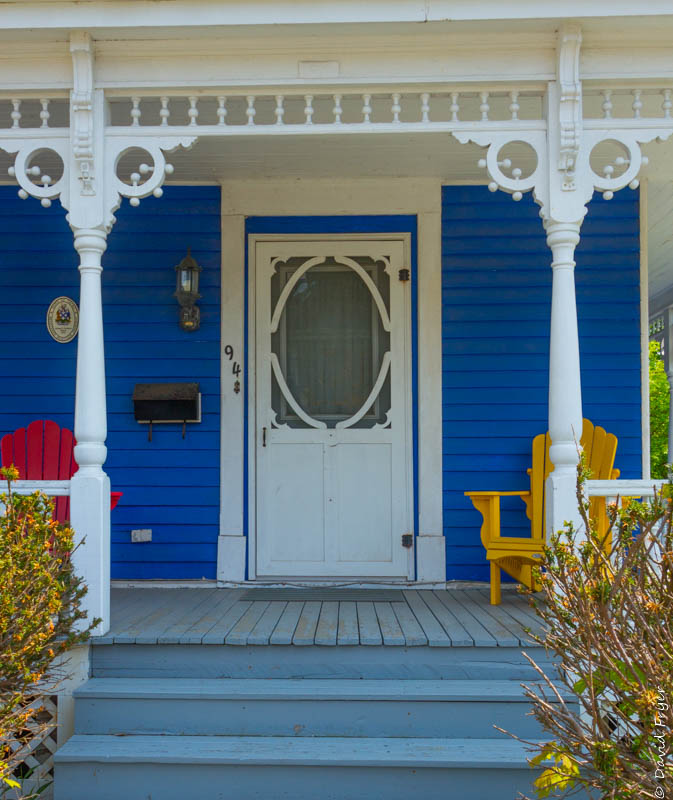
We had a great day walking around Truro.
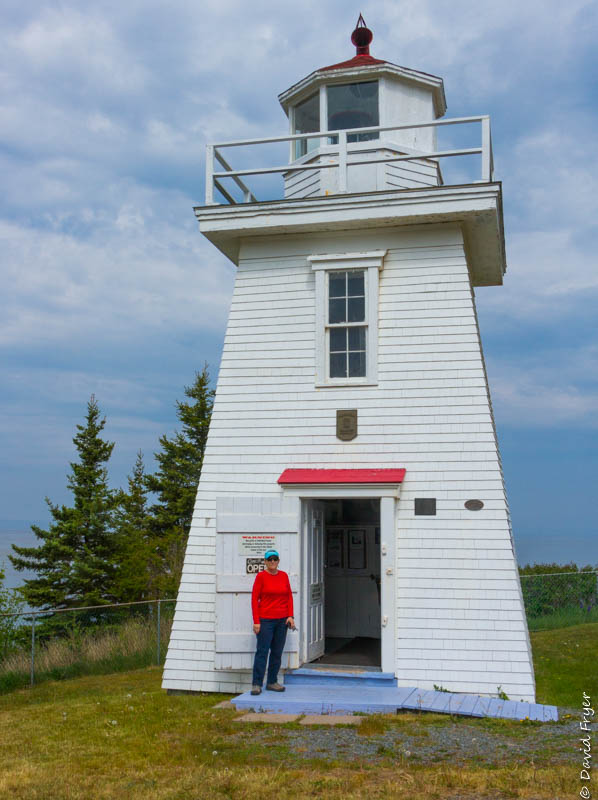
On our way down the western coast of Nova Scotia, we stopped to see the Walton Lighthouse. This square wooden lighthouse was built in 1873 by Timothy Parker for $620. It is 20 ft. tall and it marks the entrance to the Walton Harbor. Finding this harbor was critical for shipping due to the discovery of gypsum and later barite deposits. Many ships came here to transport these base metals to other locations. In the 1950s, Walton Harbor was the second busiest in Nova Scotia. This lighthouse guided mariners safely there for over 100 years. After the demand for these resources dwindled, they decided to decommission the lighthouse in the 1970s. In the 1991, the town of East Hauts acquired it and it became a Province of Nova Scotia Heritage site in 2013. Today volunteers maintain the building and the grounds, a picnic area, a trail, and a gift shop. If the lighthouse is open, you can climb up to the top. There are great views from up there.

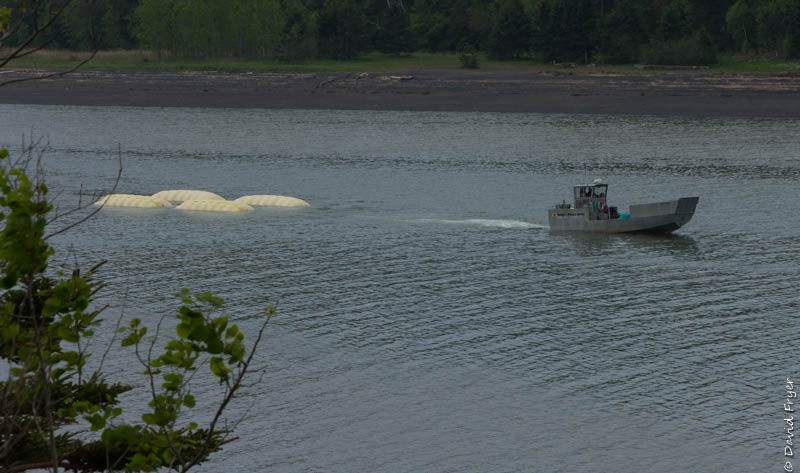
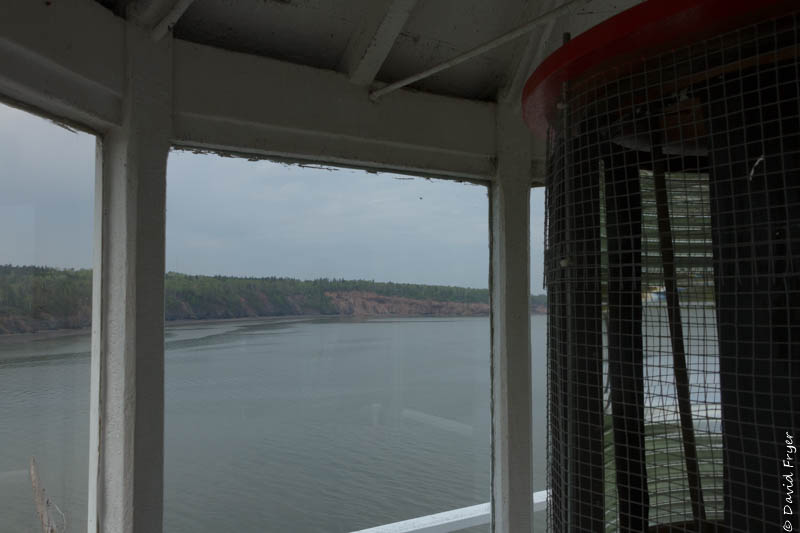
This lighthouse is on the Minas Basin where they have some of the highest tides in the World. In 1975, the Guinness Book of World Records recorded an average high tide of 47.5 ft. Given this tidal flow, many researchers are working on trying to use the tidal force to generate electrical power. While we were at the lighthouse we saw a boat pulling four flotation devices behind it. When we asked the volunteers about it, they told us that they were moving a large pillar into the Minas Basin where they planned on installing a tidal generating plant. They had tried this previously but hurricanes had destroyed the power plants. They are hopeful that this new design, once in place, can withstand these harsh storms. It is fascinating to think of using the forces of nature in the Bay of Fundy to generate power for Nova Scotia.
We have had a great time exploring the Bay of Fundy and some of the towns in both New Brunswick and Nova Scotia. There are still more unique places and more extraordinary landscapes to see as we move father south along the western coast of Nova Scotia.
P. S. This week marks the end of our 6th year of full timing. We are having a wonderful time and are happy with our lifestyle. We are looking forward to seeing what adventures the next year brings.

 Piddlin' Around
We saw a bore ride a few times in AK in the Turnagain Arm area, just south of Anchorage. It’s cool to watch for sure!
LikeLiked by 1 person
Thats great you got to see that in Alaska. We were never there at the right times to see it. It is a beautiful area no doubt.
LikeLike
We are creating so many special memories with you two. Each day brings a new adventure!
LikeLiked by 1 person